

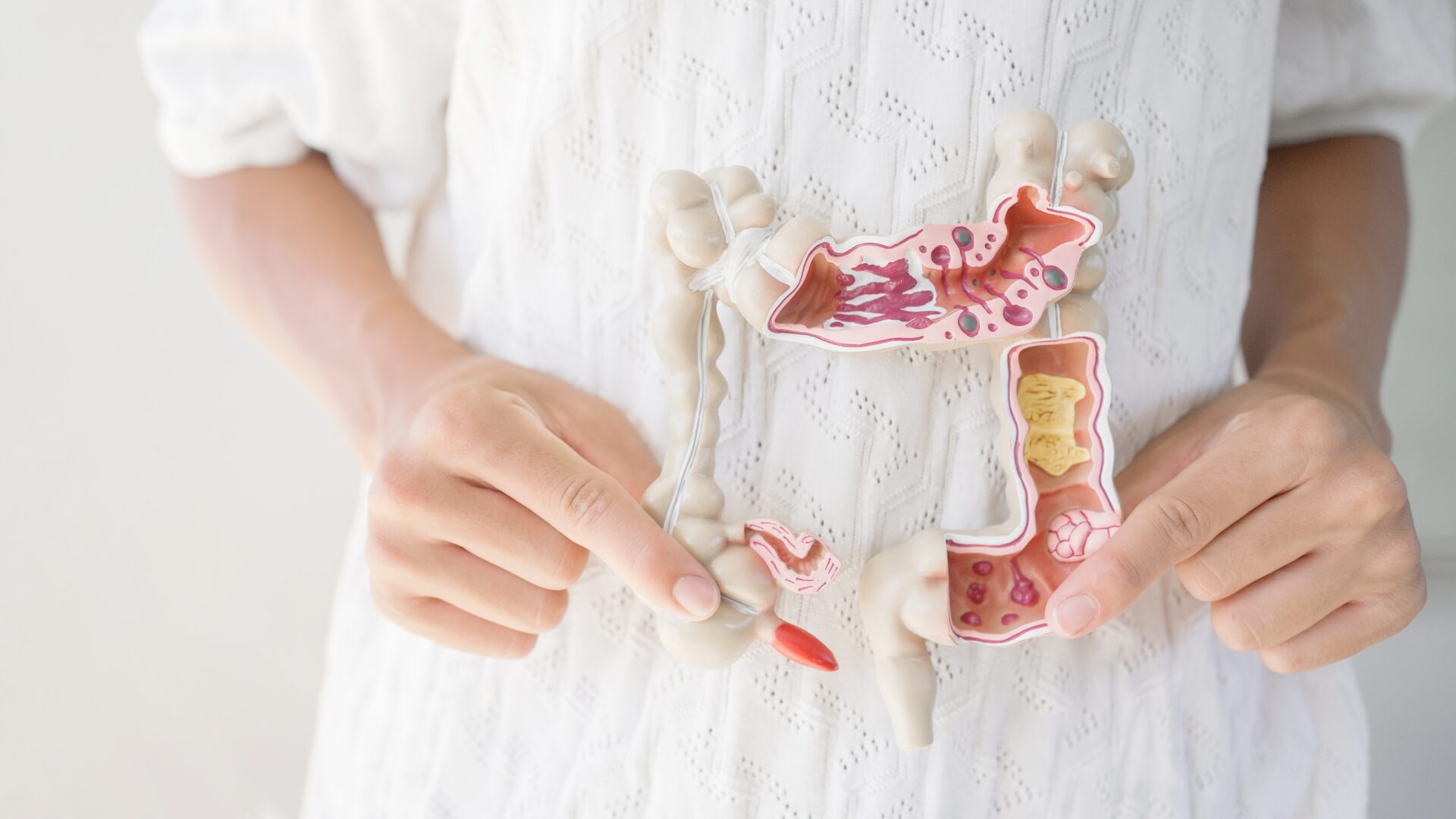
Your microbiome influences various processes in your body, and if it’s out of balance, you’ll know very quickly. Digestion, immunity, hormone function and psyche are all affected. However, you rarely realise that gut health is closely linked to liver health. They are interdependent, so you need to ensure that your gut microbiota is functioning properly so that your liver can effectively handle the daily stresses.
What does gut microbiota have to do with the liver?
All processes in the body are somehow related and interact with each other. The cooperation between the liver and the intestines plays an equally important role. When nutrients, toxins and other substances enter the blood from the intestines, they are then transported to the liver via the portal vein. The liver then functions as a metabolic and detoxifying organ. They utilize or, conversely, dispose of these substances, and at the same time produce bile, which flows into the upper part of the small intestine and emulsifies fats obtained from food, facilitating their breakdown and absorption.
If the balance of this cooperation is disturbed, serious liver diseases can arise. The most common types are non-alcoholic fatty liver disease (NAFLD) or cirrhosis. In both diseases, the bacterial balance is disturbed, so that patients have a proliferation of bad bacteria in their intestines, while the beneficial ones diminish. The body is then susceptible to inflammation and infection, as the ‘good’ bacteria maintain a stable gut lining and influence the production of anti-inflammatory substances.
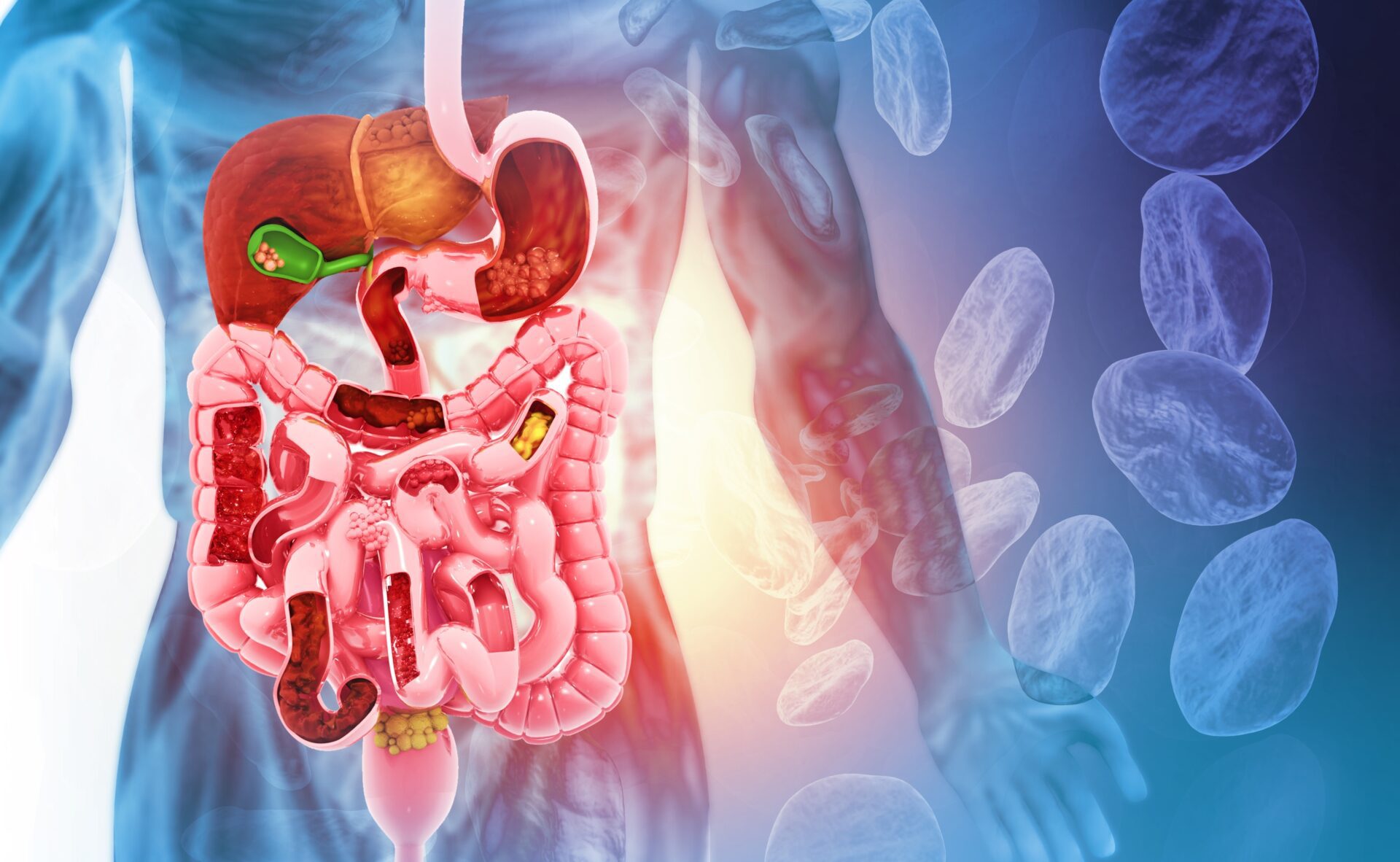 ━━ The liver and intestines work together and influence each other.
( Source: crystal light / Shutterstock )
Sick liver equals sick intestines?
Poor liver and gut health does not work one way. If one side is in disarray, there is always a problem on the other side. And it doesn’t matter which side the disruption occurs on. The bile that flows between the intestines and the liver plays the most important role. Bile acids affect not only the intestinal microflora, but also the immune system. Studies suggest that the composition of bile acids is altered and that the intestinal lining may become more permeable as a result.
Effect of probiotics
In the context of the gut microbiome, the influence of probiotics has been discussed. These are live microorganisms that positively influence its composition. However, it is not yet possible to say unequivocally whether they help with liver disease. Studies suggest that they can potentially improve symptoms. However, more research is needed in this regard, which is why probiotics are not primarily used in the treatment of liver disease.
Summary
If you are troubled by intestinal problems, the first thing you should realize is that the gut and liver affect each other. “A comprehensive understanding of the communication between the gut and liver is key to developing effective preventive, diagnostic and therapeutic approaches,” the study authors say.
The best prevention against gut microbiome disruption and liver disease is a healthy lifestyle. Follow a varied and balanced diet that is particularly rich in fibre. Also, distance yourself from excessive drinking of alcohol and include exercise in your leisure time. A healthy gut microbiome will affect many processes in the body.


 Šárka Cvrkalová

 L. Novak



 O. Müller
