

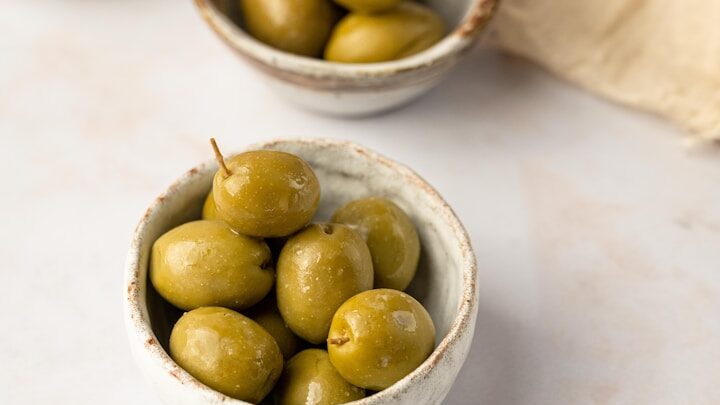
At first glance, they resemble tiny hard stones that remain on the plate after eating olives. It appears to be waste. But it is precisely this residue from olive oil production that can represent an important renewable energy source. In fact, there is now increasing pressure to reduce dependence on fossil fuels. And olive pits are not waste, but a raw material that can help a great deal in this regard.
Some people like olives, others avoid them. But their health benefits are scientifically proven. And there has been a lot of talk recently about what can be done with the pits. What are their properties? And why shouldn’t we throw them away, but instead start collecting and using them in large numbers?
Chemical composition and energy potential
Olive pits are a typical representative of lignocellulosic biomass. What does this mean? It is a material composed mainly of cellulose, hemicellulose and lignin. Studies indicate that the average dry weight composition of olive pits is approximately 31,3 % cellulose, 21,9 % hemicellulose and 26,5 % lignin. This ratio ensures that the material has a relatively high calorific value and is suitable for thermochemical transformations.
The net calorific content of olive pits is around 16 gigajoules per tonne. This means that, although it is a by-product of oil production, it is a raw material with a significant energy content and can compete with other biomass fuels and even fossil fuels. Olive pits are more valuable in this respect than many types of wood.
Practical applications in energy and industry
In practice, olive pits are already being used as biomass for heat production, combustion in boilers or even as raw material for biofuels. In Spain, for example, the world’s largest producer of olive oil, it is estimated that around 400 000 tonnes of olive pits are consumed annually. About a third of these are processed for use in boilers or for energy purposes.
The company Innoliva in Navarre (Spain) reports that its olive production (about 60 000 tonnes) generates about 45 000 tonnes of waste, which is fully used for biomass production. This practice shows the way to turn waste material into added value. The question is whether other large companies can adapt in a similar way.
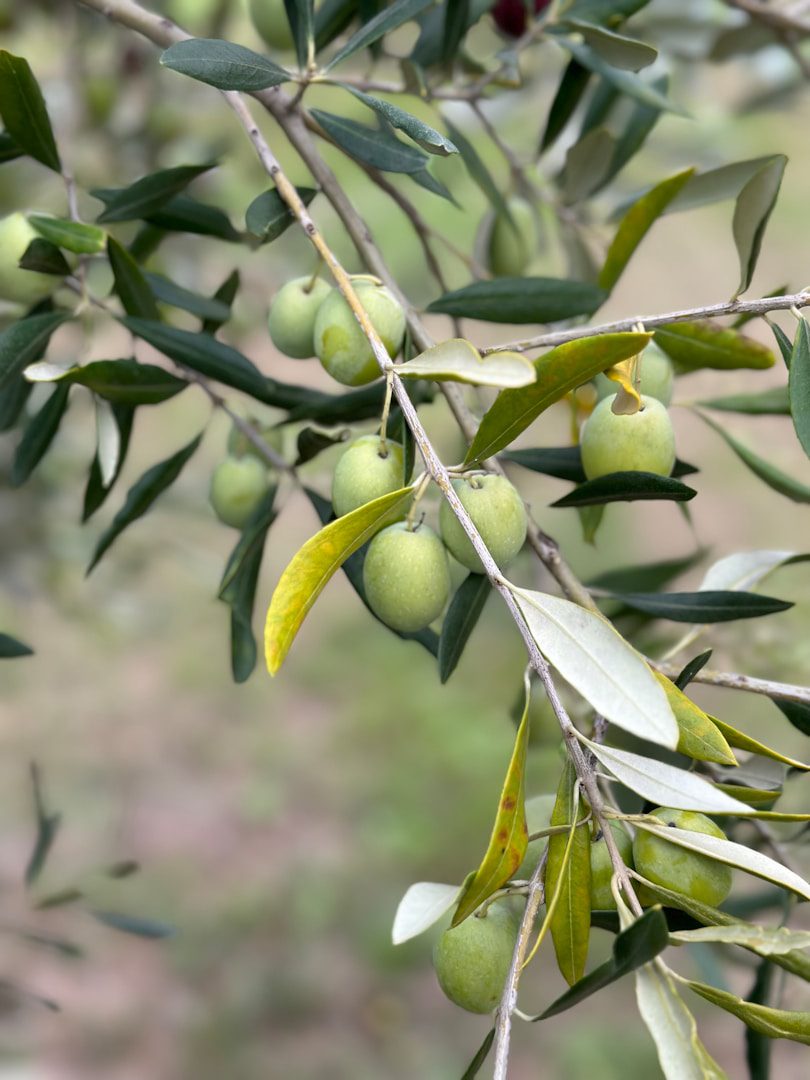 ━━ Olive cakes are not just a waste. They can have uses you might not even think of.
( Source: Luigi Frunzio / Unsplash+ )
Challenges, sustainability and future perspectives
The path to significant fossil fuel substitution using olive pits is not without obstacles. One of the challenges is logistics and seasonality. From a sustainability perspective, it is important to ensure that the production and combustion of biomass actually leads to a reduction in carbon emissions. Combustion analyses have recently focused on measuring CO, NO and SO₂ emissions. The study found that olive pits have lower emissions than some alternatives.
However, it should be kept in mind that proper cleaning is required for them. Thus, although pits are environmentally friendly in this respect, whether they could be used as fuel on a large scale in many countries in the future is questionable.



 L. Novak



 O. Müller

 A. Urban