

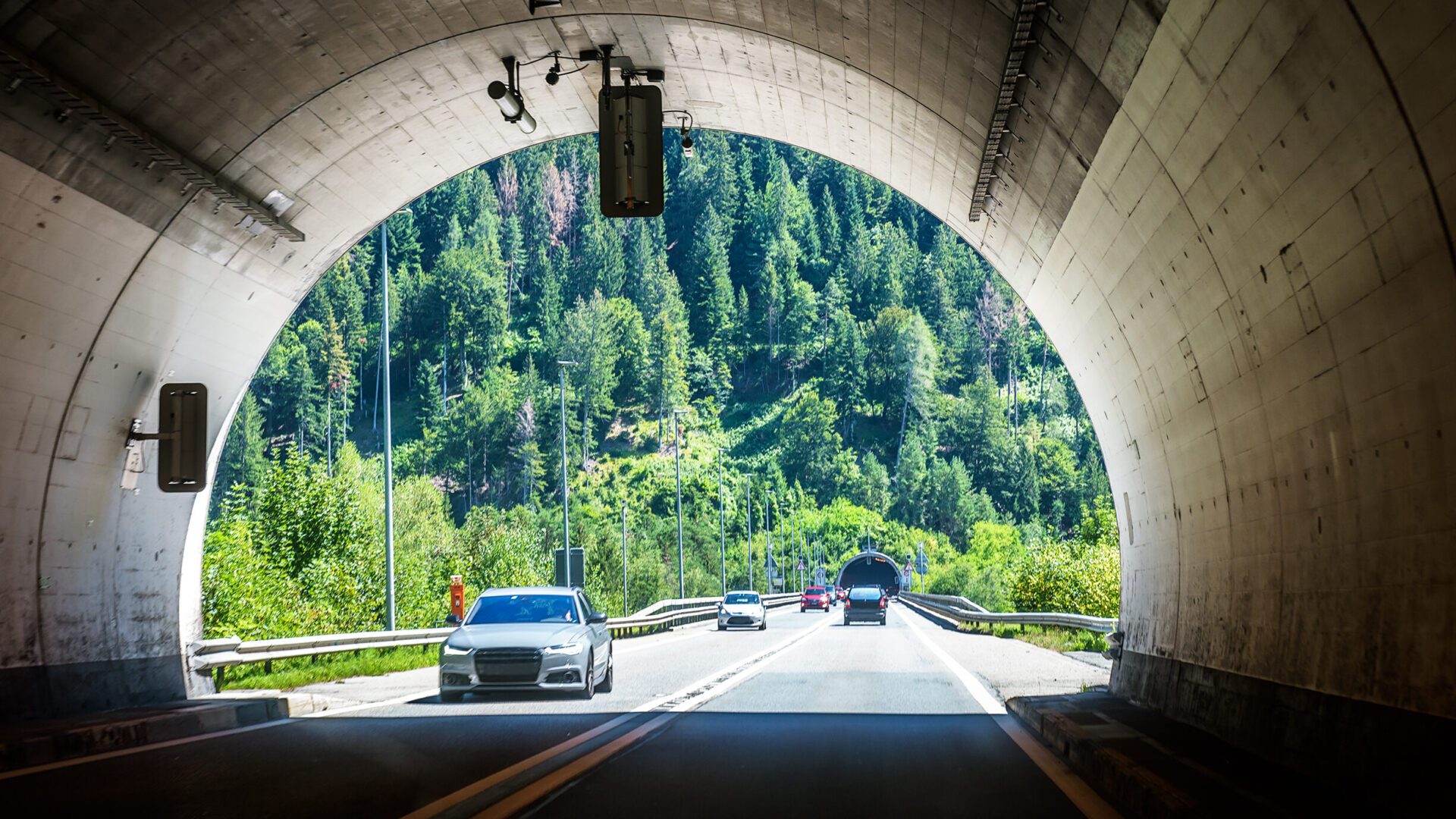
Switzerland is a neutral country that boasts a beautiful landscape full of mountains and lakes. It offers locals and tourists alike a wealth of attractions. One of them, however, is invisible to the eye. There’s an incredible feat of engineering hiding beneath the earth’s surface. There’s a really extensive network of tunnels running under the high mountains.
Tunnels like a miracle
Every tunnel ever built requires truly cutting-edge engineering techniques. It is the only way it can be built and be safe to use. It’s not just the construction itself, but also the ventilation in the tunnels or the lighting system. Each tunnel is a small miracle. In the world of tunnels, there are also great miracles. There is no tunnel like a tunnel. Would you believe that the deepest tunnel is 2,375 metres below the surface? And it’s one of the top five longest tunnels in the world. You’ll find it in China.
The world’s longest tunnel is in Europe. It is Norway’s Laerdal Tunnel, which measures 24.51 kilometres and opened in 2000. Two decades of negotiations and preparations preceded the opening. The second longest tunnel in the world is in Australia and only opened in November 2023. It measures 22.53 kilometres and runs under Sydney. Switzerland may not have the longest tunnels, but it has many. The small country has a total of 1,400 tunnels. Their total length exceeds 2,000 kilometres.
 ━━
( Source: Aaron Burden / Unsplash+ )
The NRLA Megaproject
Probably the best known project in Switzerland is the New Rail Link across the Alps. It is a project connecting three foot tunnels. Lötschberg, Gotthard and Ceneri. The Gotthard foot tunnel alone runs some 57 kilometres under the mountains and boasts the title of the longest railway tunnel in the world. It takes about 20 minutes for a passenger train to pass through it.
According to the Swiss government, the system was created to shift freight traffic to the railways. The aim was to protect the Alps. In addition, the journey through the tunnels is of course much shorter. And trucks don’t have to worry about the serpentine roads, where traffic conditions are poor most of the year.
Trucks in the Alps
Let’s stick to the main purpose of the tunnels. Switzerland, although a neutral country, is understandably plagued by transit traffic, which is very polluting. In addition, large vehicles on the narrow mountain roads full of serpentines often caused accidents. The switch to rail transport should help with all these problems. Trains are more energy efficient and produce fewer greenhouse gases. Moreover, they consume one fifth of the energy.
If you think that this is some billion-dollar project by deluded politicians, you are mistaken. The initiative was backed primarily by the voters, and that goes back to the 1990s. They were fed up with the smog piling up over the mountain villages. It bothered them that in places where pristine nature was supposed to have the upper hand, there was a mix of tourists’ cars, local delivery vehicles and pan-European freight traffic. They wanted peace and quiet. After all, that’s why people often live in the mountains. If they wanted heavy traffic behind their house, they would move to the city.
The good thing is that
The Swiss people can rejoice. While other mountain resorts in Europe and other countries around the world are still often crossed by lines of trucks stretching to the border, in Switzerland more than 70% of freight traffic is now transported by rail. In 2018, some 941,000 trucks crossed the Swiss Alps. That may sound scary, but it’s a third less than in 2000. Which other country can boast such a success story?


 Šárka Cvrkalová




 O. Müller

 A. Urban