

Beans are a delicious dish full of protein, vitamins and minerals. I could eat them practically every day. But let’s just say it’s not exactly a party food. We all know what happens when one wishes for beans. And while sharing problems with friends brings you closer together, in this case, I think it’s rather the opposite. A new innovative technique could, in time, ensure that beans are no longer a literal time bomb in your stomach that threatens your relationships with friends.
Of course, flatulence isn’t just a problem for the reasons mentioned above. It is a complication that is annoying even when one is home alone. Beans cause abdominal pain, and in some cases, diarrhea. Although they are such a healthy food, this unpleasantness that comes with them discourages many people from eating them.
Why do beans cause flatulence?
Beans contain oligosaccharides. These are complex sugars that human enzymes cannot break down in the small intestine. So they travel unchanged to the large intestine, where they are broken down by gas-producing bacteria. These gases are then released as flatulence. Written like this, it may sound technical, but most of my friends would simply say that humans are like a time bomb.
Whether we look at the situation from a professional point of view and address the fact that we are not comfortable with abdominal pain, or just pause to think that we would rather avoid company for a while after beans, if there was a way to eliminate the complications, I would personally reach for it with all ten hands. And it seems that scientists are already developing something like that at the moment.
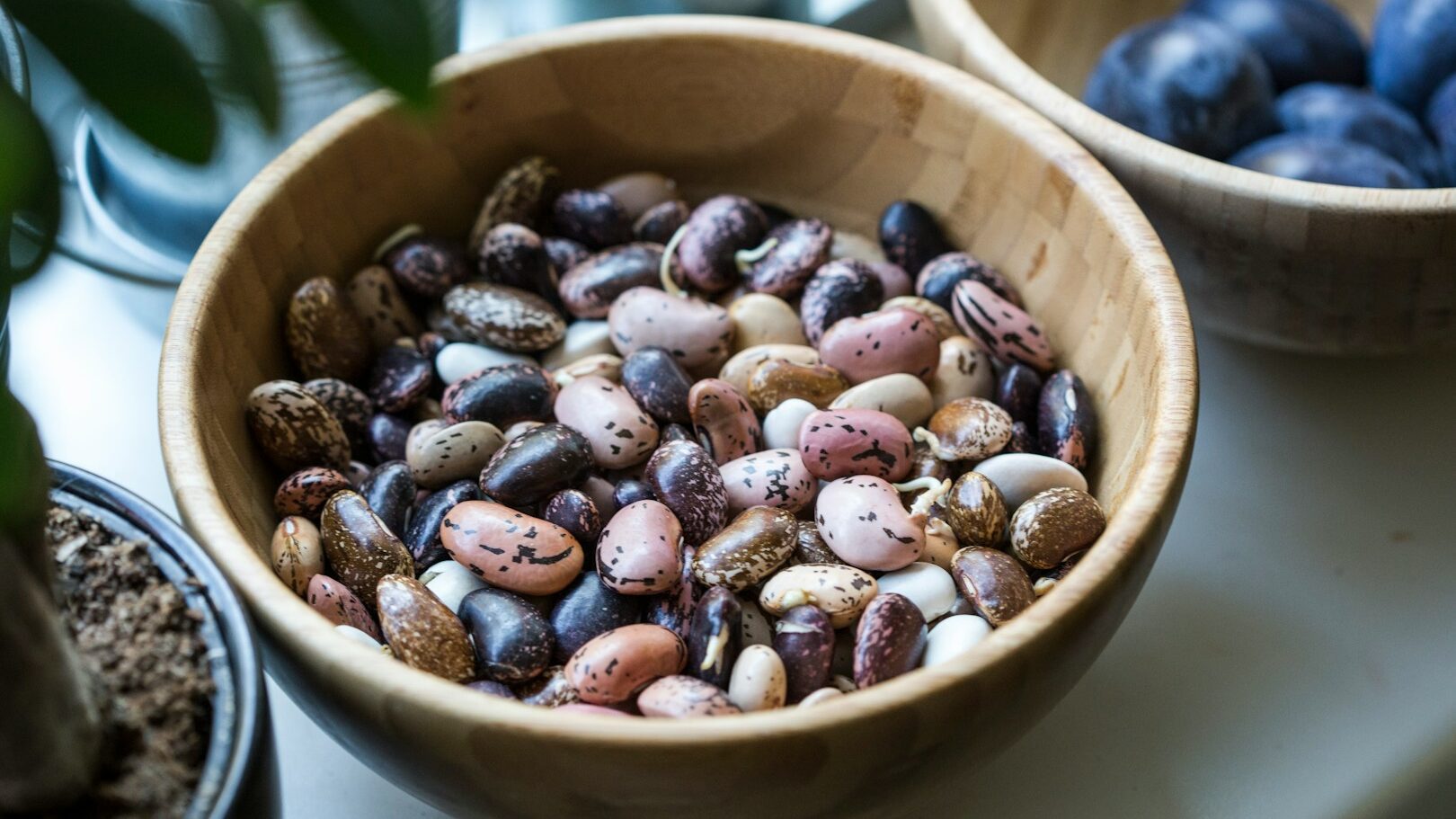
 ━━ Do you want to enjoy bean dishes without having to deal with gas problems? Someday it may be possible.
( Source: micheile henderson / Unsplash+ )
Gas-free beans
Some time ago, scientists at Embrapa came up with an advanced gene editing technique called CRISPR. Thanks to it, they are able to precisely change some specific genes, in the case of beans specifically the genes responsible for the production of oligosaccharides. Moreover, they are able to make these changes in a way that does not alter the taste or texture of the food. The aim of all this is to offer mankind beans that are easier to digest but retain all their properties and positive substances.
Although the technology looks very promising, it is still in the testing phase. Developing a new variety of bean is very challenging. Experts expect that a similar raw material could be on the market in about eight years. However, it is not yet possible to estimate how accessible it will be globally or financially.



 L. Novak



 O. Müller

 A. Urban