

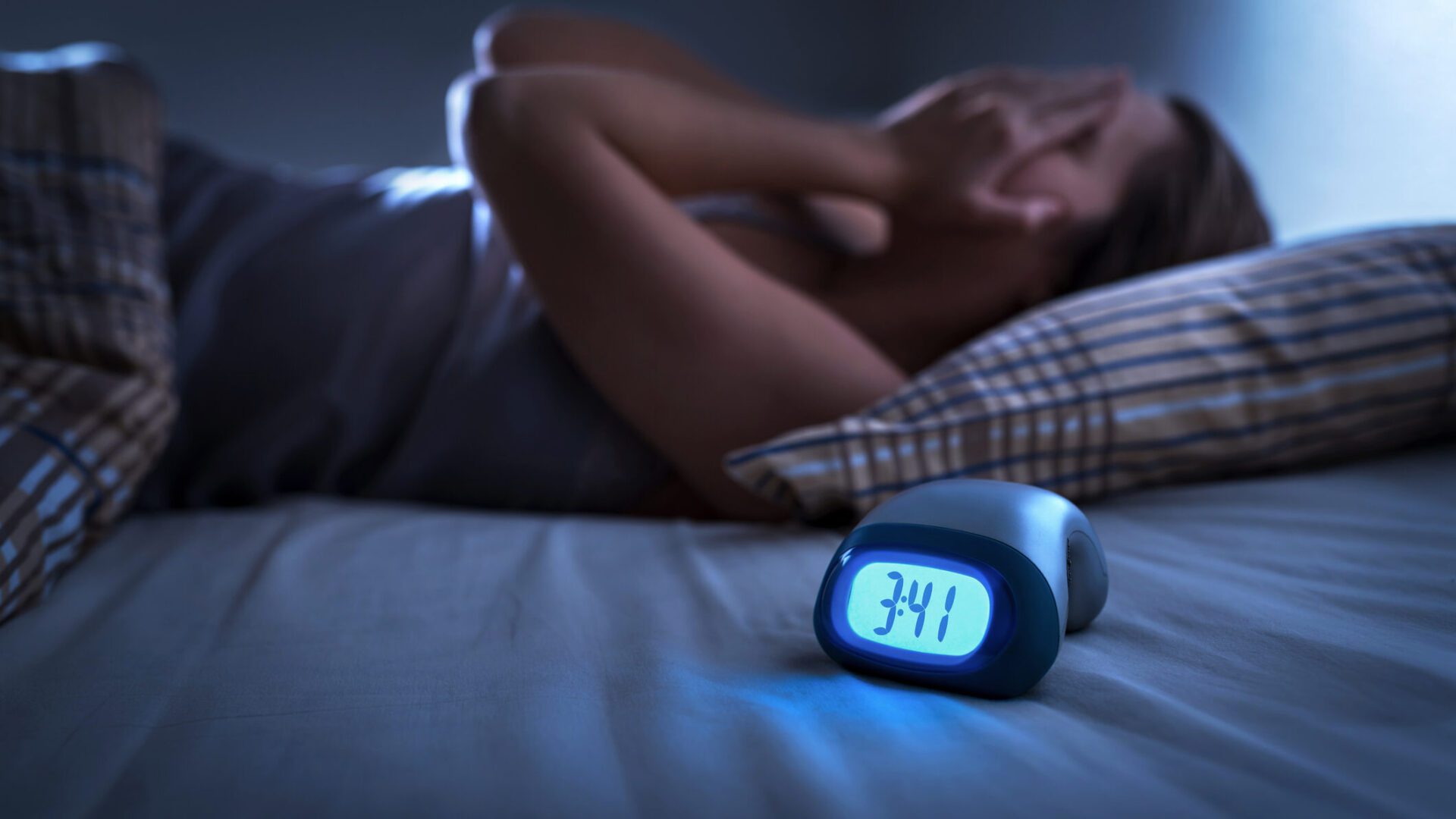
Some people take forever to fall asleep. Others wake up in the middle of the night and can’t manage to go back to sleep. Insomnia, known professionally as insomnia, is a problem that affects millions of people around the world. And it’s not just a once-in-a-while awakening, but a recurring cycle that reduces quality of life. According to the Cleveland Clinic, about 1 in 3 adults in the world have symptoms of insomnia, and about 10% of adults meet the diagnostic criteria for chronic insomnia.
Everyone has trouble falling asleep from time to time. It depends on what we eat and drink before bed, how tired we are, and how stressed we are. But if the problems recur regularly, they affect our health very significantly. The human body needs rest. And if we don’t sleep enough, we have neither mental nor physical energy. So the situation needs to be addressed.
Why does insomnia last forever?
For many reasons. These include psychological stress, anxiety, life changes, health problems, poor sleep hygiene, as well as habits such as exposure to blue light from screens before bed or an inconsistent regime. In addition, if a person goes to bed thinking that if he or she does not fall asleep, he or she will be tired, paradoxically delaying sleep because of what is known as anticipatory anxiety.
Some studies have suggested that physical activity may make people tired and help them fall asleep, but if other factors prevent sleep, exercise is inappropriate for trying to fall asleep. Even so, sleep is minimal, but the body is stressed and does not get the rest it needs.
Changes needed
If you have trouble falling asleep, there are a number of things you can do. If one trick doesn’t work, another should help.
- Go to bed and get up at the same time every day, even on weekends. This will stabilize your circadian rhythm, and your body will get used to the “it’s time to sleep” signals.
- If you are not sleepy within 20 minutes of going to bed, get up. Otherwise, the bedroom becomes associated with wakefulness and frustration.
- Don’t use cell phones for at least an hour before bedtime. Don’t expose yourself to bright light, rather try relaxing rituals such as showering or reading.
- Find an exercise that works for you. Go for a walk in the evening, do some yoga. You can also try meditation or breathing relaxation.
- Try herbs. There are over-the-counter remedies that can help with sleep, but usually lemon balm tea, for example, works much better.
 ━━ There are a number of tricks to help you fall asleep, but also to prevent night waking.
( Source: Maddi Bazzocco / Unsplash+ )
Professional help
Some people do everything they can to fix their regime. Yet falling asleep takes long hours and after a few minutes they wake up, unable to fall asleep again. If the problems manifest themselves despite trying the advice mentioned above, it’s probably time to see a professional. Doctors can help you. They will check if there is a disease behind your insomnia, prescribe medication if necessary to resolve the complication.
If medication doesn’t work, among the best evidence-based therapeutic approaches for chronic insomnia is cognitive behavioural therapy for insomnia. The American Sleep Association and European clinical guidelines even recommend it as a primary treatment instead of long-term use of hypnotics or sedatives. However, it is a long-term treatment, whereas pills work immediately and can be discontinued after a few months.



 L. Novak



 O. Müller

 A. Urban