

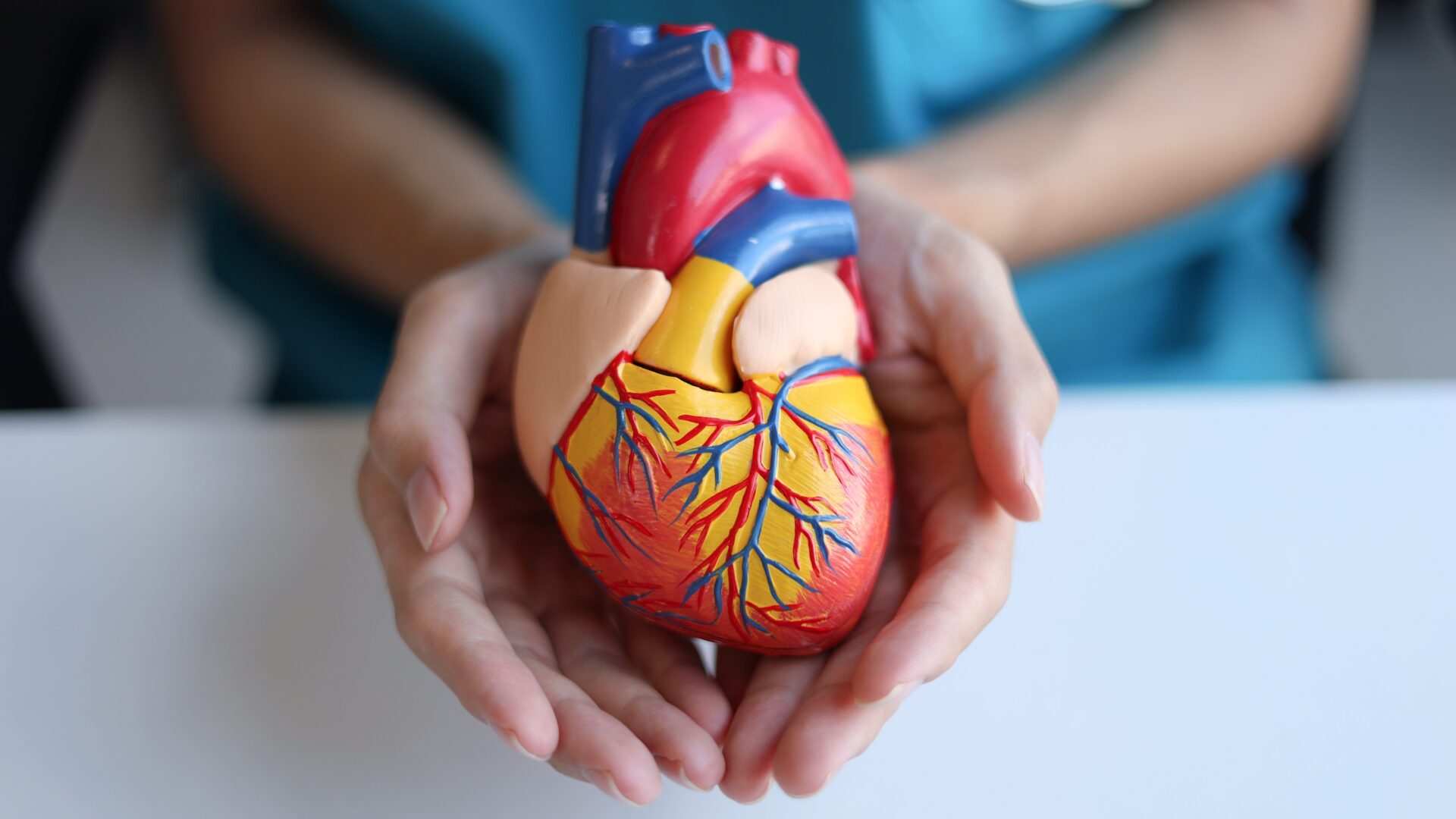
“I’m over 50. I had a heart attack in late February 2024, which I realized after running a kilometer,” the man tells his story on Reddit. He said he first felt a heaviness in his chest that was bearable and thought it was gas pressure. After 15 minutes, he started feeling pressure in his chest. He considered it to be stomach problems. It was only after half an hour that his vision began to blur and the world became distorted. It was only at this point that panic set in and the man asked his family to take him to the hospital.
A healthy man with a heart attack
The man in the story has been active since childhood and is still an avid runner. In addition, he loves hiking, walking or competitive sports. The family history also did not record any similar problem in the ancestors. His episode scared him so much that his sleep deteriorated. He is afraid he will die in his sleep and it wakes him up. In addition, he is mentally exhausted and has had several occasions when he thought another heart attack had come. That’s how crazy his experience is.
This story shows that heart failure does not avoid anyone. Although it is more likely in people with a family history of heart attacks. Obese people and those who generally get little exercise are also more often affected, but it is not the rule. In short, it can happen to any of us.
This man and others similarly affected could be helped by the news that scientists have discovered a new fact. After a heart attack, the heart can regenerate muscle cells that were previously thought to be definitely dead. No, it’s not science fiction. The discovery was made by scientists at the University of Sydney. This finding could change the future of heart failure treatment.
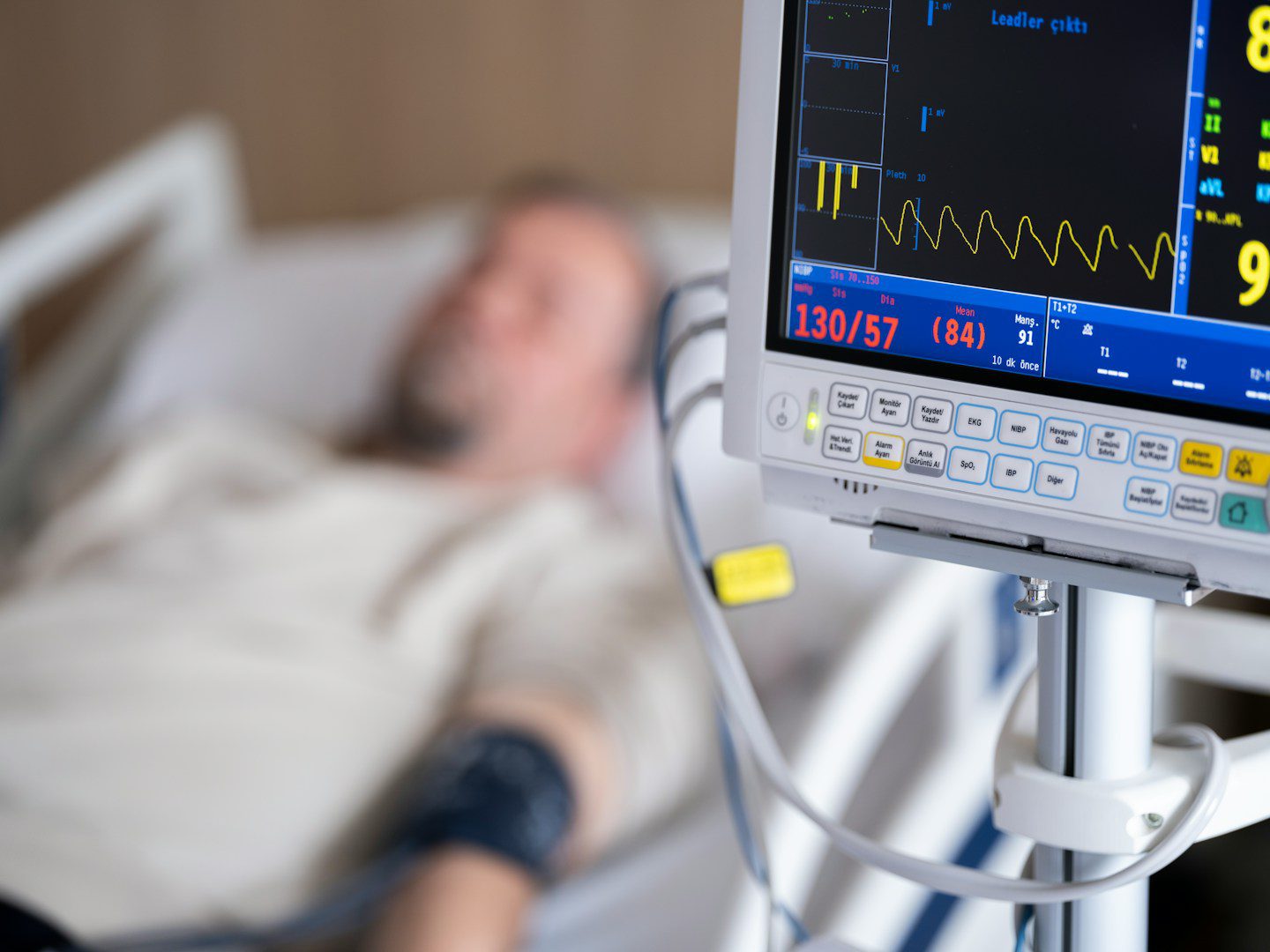 ━━
( Source: engin akyurt / Unsplash+ )
Live samples helped
Patients undergoing bypass surgery at the Royal Prince Alfred Hospital in Sydney had heart muscle samples taken. The live samples then allowed the processes in the heart to be analysed immediately after the heart attack. The collection method was developed by Professors Paul Bannon and Sean Lal. Both healthy and damaged heart tissue had to be collected for comparison.
“Our research shows that although the heart remains scarred after a heart attack, it produces new muscle cells, which opens up new possibilities,” says Robert Hume, first author of the study and a cardiologist at the University of Sydney and director of translational research at the Baird Institute. Until now, the process of cell mitosis has only been studied in mice.
New therapies
The new findings could lead to entirely different regenerative therapies. It is these therapies that may one day make it possible to tackle the leading cause of death worldwide. According to statistics, 1.3 million people live with heart failure in Poland alone, and only 100 to 200 transplants are performed each year. Yet 178 000 people die of heart failure in this country every year.
According to the World Health Organisation, cardiovascular diseases are the leading cause of death worldwide. In 2019 alone , about 17.9 million people died of cardiovascular disease, and 85% of them died of heart attack or stroke. On average, about 18.6 million people die from heart attacks worldwide each year.


 Šárka Cvrkalová




 O. Müller

 A. Urban