

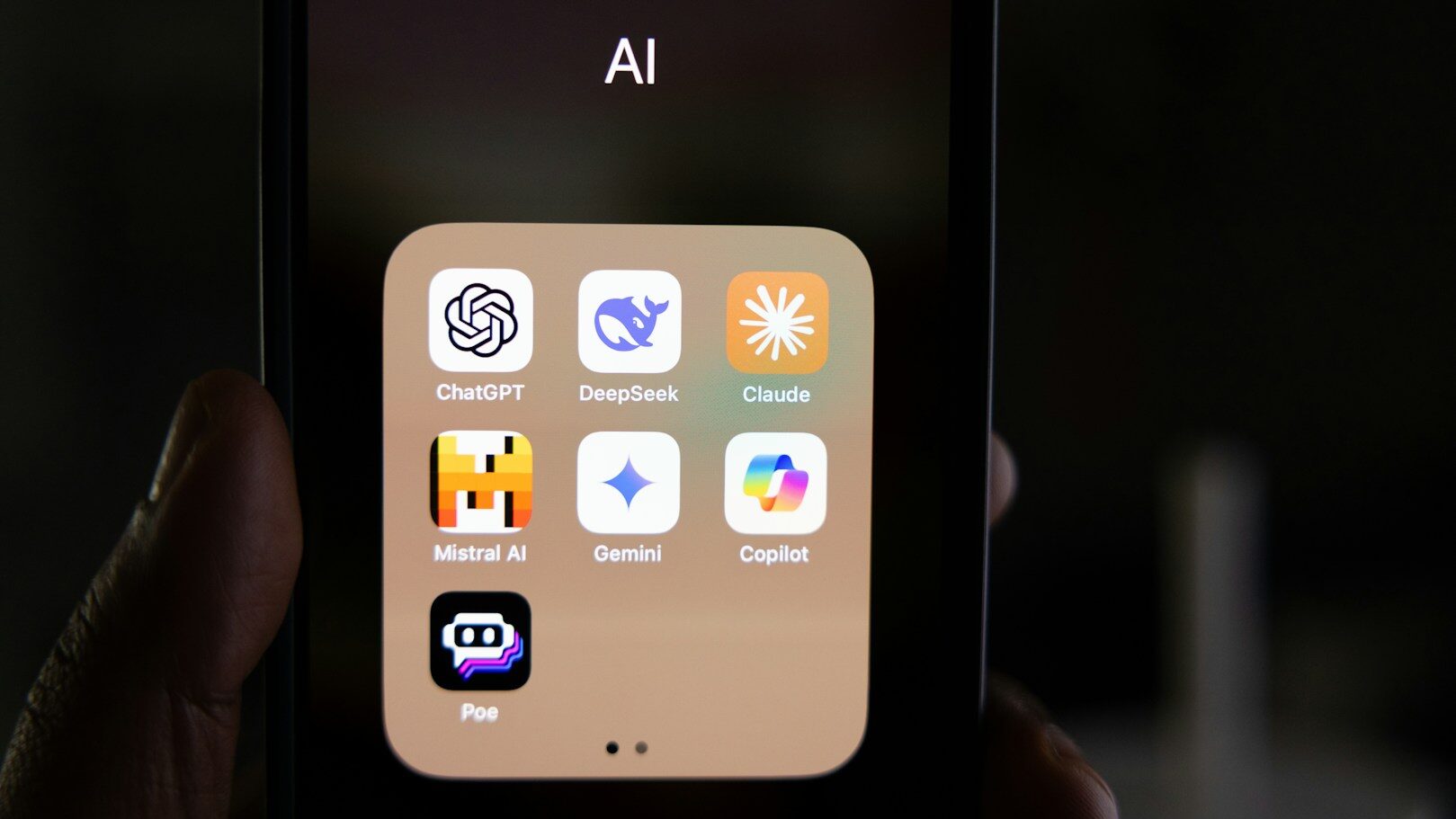
I’ve dealt with three people on AI today alone. It’s a testament to how much this topic is becoming an inherent part of today’s world. Personally, I don’t have a problem with it as long as it is recognizable what is human work and what machines have helped with. It’s just that recently a new AI model has emerged that Anthropic has described as literally a “colleague”. Is that right?
It’s called Claude Opus 4.6. Florian Harms literally wrote about it in his article: “It is a turning point. The moment when the machine stops being a tool and starts becoming a colleague. A colleague who never gets tired, never makes careless mistakes, but can do in seconds what would take a human being days, weeks or months.” The model, he says, can do incredible things and impact millions of people around the world. My question about whether it’s right persists.
Claude Opus 4.6
This new system from Anthropic can create multiple instances of artificial intelligence simultaneously. They behave like a functioning team. It is already clear that in financial analysis or legal research, for example, the model is more powerful than any of its predecessors. The speed and accuracy with which it works amazes experts.
But the machine does not just perform tasks on command, apparently. It should also make judgments. It prioritises, recognises ambiguities, weighs options. The reasoning of artificial intelligence is thus becoming increasingly close to that of humans. And while this is fascinating, it is also quite frightening. Claude Opus 4.6 will be used primarily in the finance, legal, software development and management consulting sectors.
It is already clear that it will replace many human workers. Consultants in junior positions will partly lose their jobs and partly have to share them with this AI model and learn to use its services. No wonder some people in my area are afraid of AI, even though they use it. It is an excellent servant, but as a colleague or even a master it can complicate life.
 ━━ What the latest model can do is unbelievable to some people. Yet new and even more powerful ones are likely to be built.
( Source: Steve Johnson / Unsplash+ )
The machines are getting ahead of us
They are helpful, but they can hurt. They fascinate us, but they also frighten us. Artificial intelligence is a topic that is unavoidable today. Some people embrace it, others fear it. Whichever category you fall into, you will have to get used to it. Sooner or later, it will probably affect your work. And for now, we’re the ones who get to choose how much the machines do for us.
But it seems that in many ways they’re already ahead of us. Machines think for themselves. The article on T-online is, in my opinion, a bit of a cry for help. Although it describes AI as something perfect, it also states that “we urgently need policy experts in AI technology who understand the situation and ensure that machines continue to be nothing but useful servants to us.”
And I personally agree with this view. AI does a lot for us, but it already affects millions of people. And if more tools come along that resemble the new Claude Opus 4.6 model, it’s only a matter of time before AI starts to control everything in the future.



 L. Novak



 O. Müller

 A. Urban