

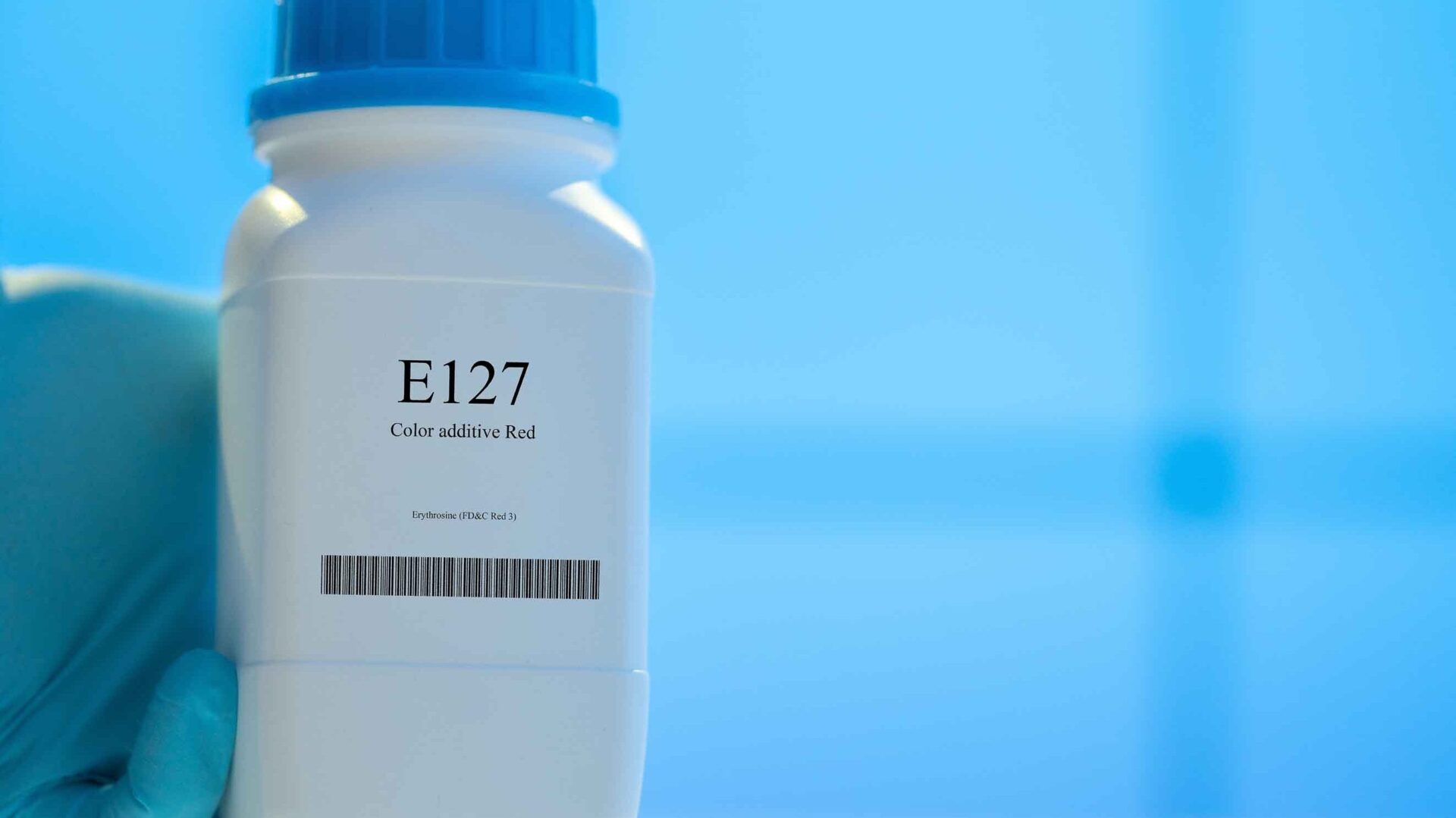
E127 dye is a controversial product that has been talked about in the world for a long time. While in some countries it is banned, in others it is only restricted and in some places it is not even regulated at all. In my opinion, therefore, more should be said about it. Studies clearly show that the dye is harmful. And if other countries have understood this, why are there still countries where it is allowed? There are not a few. In Poland, for example, this substance is quite common.
E127 is a synthetic red azo dye that is officially known as erythrosine. This substance is mainly used in the food and cosmetics industry. As far as food is concerned, you will find the dye most often in yoghurt, lollipops, ice cream, cheese, coloured carbonated drinks, sweet pastries and various biscuits or creams. Unfortunately, its use is not yet restricted in many countries.
What is the problem?
Studies have long shown that erythrosine can cause biochemical changes in the brain. In animal experiments, the substance has caused oxidative stress and damaged DNA. In addition, it has been shown that substances in the dye can significantly damage the liver and other internal organs. Clinical and laboratory studies are investigating whether synthetic dyes affect neurobehavioural function in children. There are indications that E127 in particular may be dangerous in this respect.
“Our results show that erythrosine disrupts normal brain histopathology, suppresses antioxidant enzyme activity, increases lipid peroxidation and DNA damage. This suggests toxicity of erythrosine even at doses close to the acceptable daily intake,” the study in the Journal of Environmental Science states.
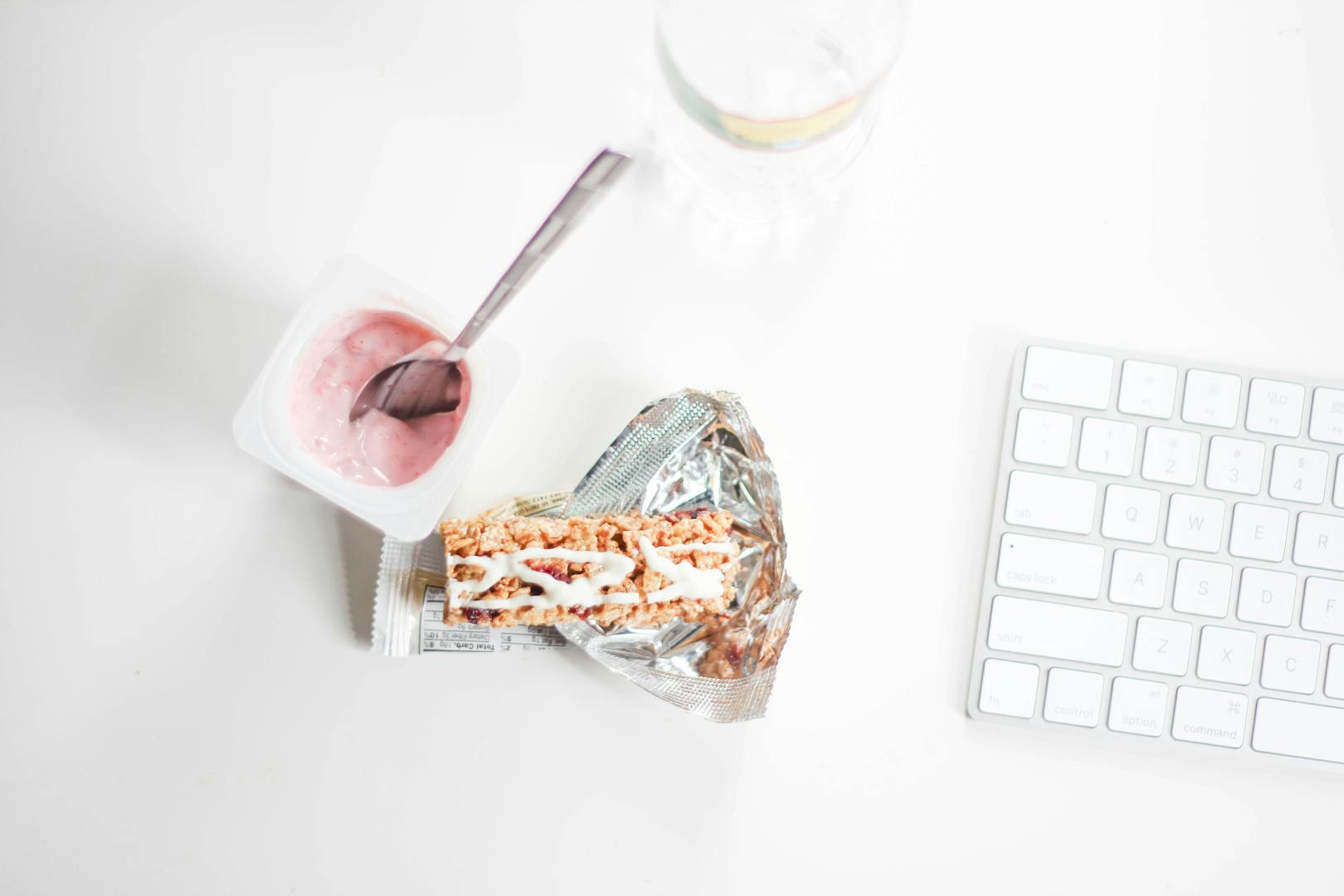 ━━ The dye E127 has been proven to be harmful. However, it is still added, for example, to yoghurt and other foods.
( Source: J. Kelly Brito / Pexels )
Where is dye prohibited?
Although the dye has been proven to be dangerous and there has even been recent talk of its potential carcinogenic effects, its use is still unregulated in many countries around the world. A 2014 study on the health effects of E127 showed that erythrosine can cause fertility problems and often learning problems in children. This is why, for example, the dye has already been banned in the USA and Norway.
US food manufacturers have been given until January 2027 to modify or replace foods containing the dye. “The FDA has no excuse for waiting more than 30 years to ban red dye,” said US Senator Roger Marshall on the situation.
Unfortunately, it is beyond me why there is apparently no excuse in many EU countries and the situation is still not resolved. In some countries, it is only partially allowed, or in specific foods, such as candied fruit or cocktail cherries. But elsewhere it is not regulated at all.



 L. Novak



 O. Müller

 A. Urban