


An increase in the financial reward for work is definitely something that makes people happy. However, if you also find out that you don’t know exactly when you will get the money, you are in a rather precarious situation. Well, I personally would rather be sure that I will get the extra money at some point, and I certainly wouldn’t complain that it might be a little late. That is the situation in Germany at the moment. From April, millions of people are due to have their payments increased, but the authorities are warning that they may not be able to make the payments on time.
A large number of people who work for the public sector in Germany can rejoice. Although it is not yet clear exactly when. From April 2026, some 2.2 million people will receive an extra 2.8% on top of their current salaries. That is, if the authorities manage to pay the money on time. Apparently, it is not certain that it will be technically possible to do this on time.
Who will get the extra money?
Negotiations have taken place in recent months, after which the authorities finally decided to increase the salaries of people who work for the state. This would apply to civil servants, teachers, some members of the police force and other employees of public institutions.
The agreement foresees an overall wage increase of 5.8 percent over 27 months. It applies to all parts of Germany, except Hesse. It negotiates its own salaries, separately from the rest of the country. Most of the Länder + the state make a joint agreement. However, Hesse already decided to leave it in 2004.
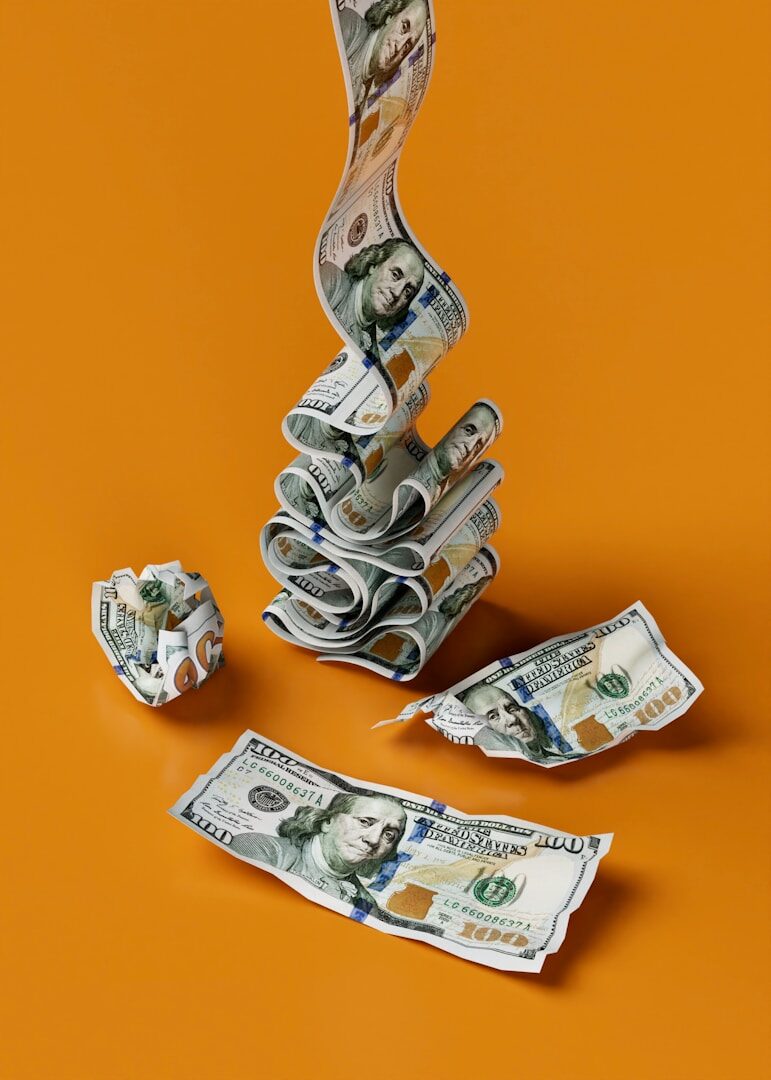 ━━ Around 2.2 million people can expect to receive a financial reward. Wages will eventually increase by up to 5.8%.
( Source: Igor Omilaev / Unsplash+ )
Salary increases in three steps
State employees will receive raises in three phases, with the total increase eventually reaching up to 5.8 percent over 27 months:
- April 2026: The first increase of 2.8 percent will take effect from April 2026. The increase is expected to reach at least €100. However, it is not clear whether the payments will be made on time.
- March 2027: A 2 percent increase is planned for next year, starting in March.
- January 2028: A further increase of 1 per cent has been negotiated for early 2028.
So while the authorities are literally promising that public sector workers will get an extra 5.8 per cent, this is a bit misleading and no one knows when the money will actually come in. In my view, it is clear that if the authorities are already unsure whether they will be able to make the April payment on time, these problems will be reflected in the next increase a year from now anyway.



 L. Novak



 O. Müller

 A. Urban