

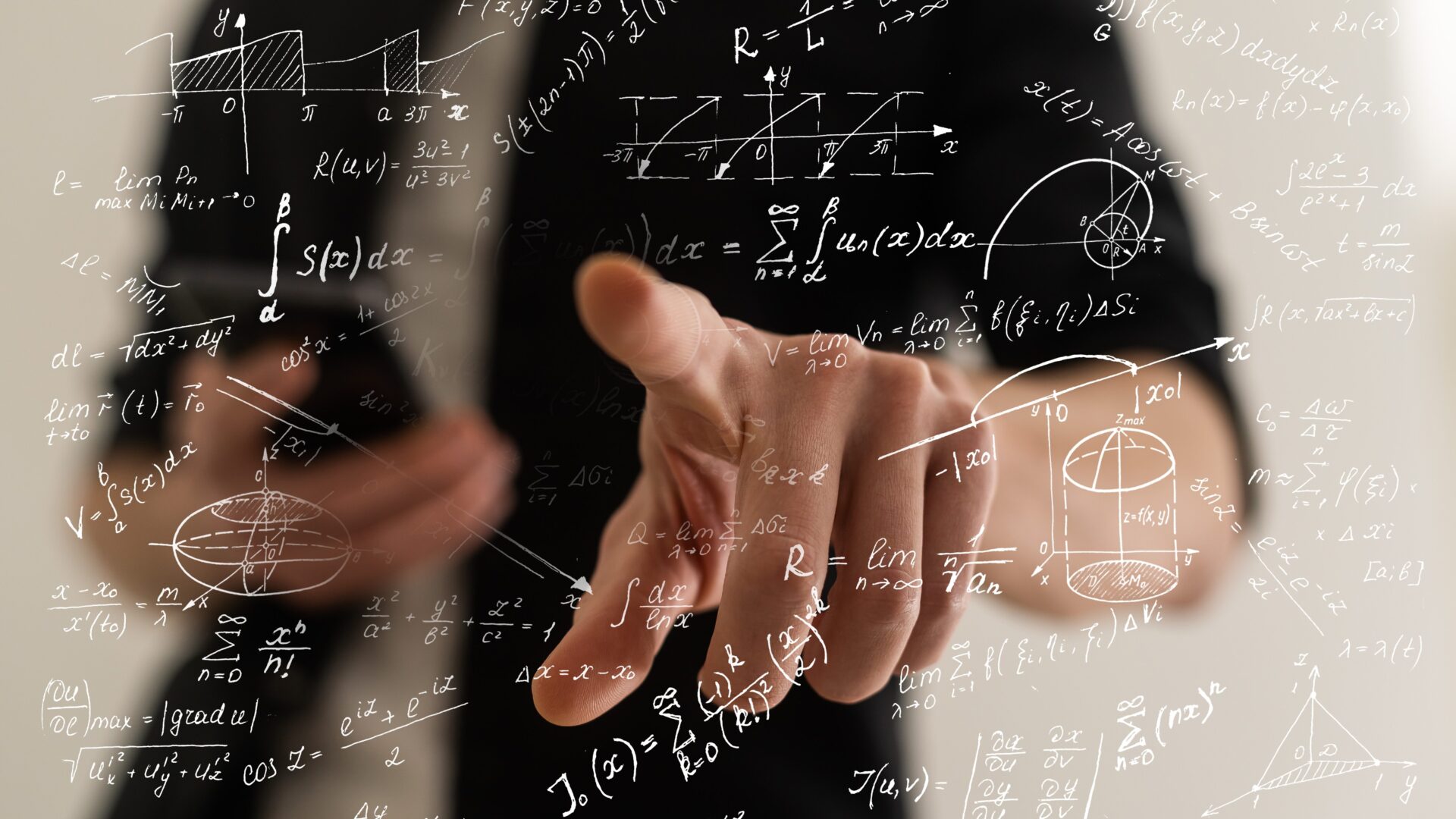
They say counting is boring and never impresses anyone in life. But the opposite is true: mathematics strengthens the brain, develops logic and protects us from ageing and forgetfulness.
Thousands of years ago, counting was done on clay tablets or papyri. The Chinese introduced the decimal point and the Indians invented the zero. Today we have calculators in our mobile phones more powerful than those that once helped put a man on the moon – and yet simple examples sometimes give us trouble.
Counting as brain training
Every calculation activates brain structures, strengthens logical reasoning and teaches us to solve problems. Studying mathematics is not just about numbers, but about cultivating critical thinking and astuteness. Scientific studies prove that regular work with numbers improves memory, spatial orientation and protects the brain from diseases such as Alzheimer’s.
Declining levels of knowledge
Yet the results of recent years show a marked decline. In the US, only a fraction of schoolchildren are proficient in mathematics at the required level. The pandemic has exacerbated this trend. But without maths, young people face limited job opportunities and less security in everyday life.
Children and their abilities
Between the ages of 7 and 9, mathematics is closely tied to cognitive function. Children who are successful in numeracy have better memories, recognise patterns and rules more easily and usually achieve higher intelligence.
Test yourself
Try the following example to test your maths foundation.
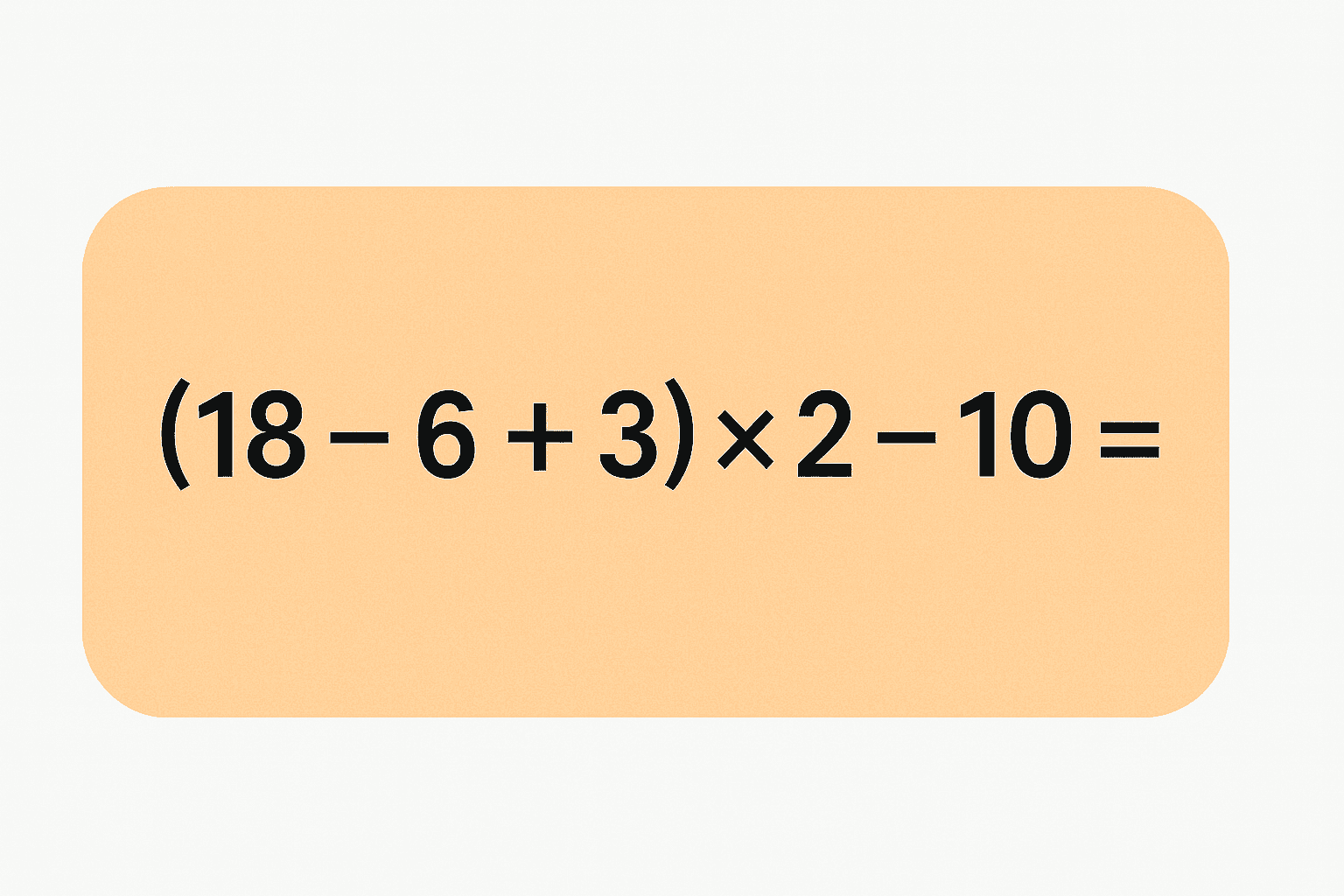 ━━ Calculate this example.
( Source: AI - chatGPT )
So how did our example turn out? First, we solve the bracket: 18 – 6 + 3 = 15. Multiply this result by two: 15 × 2 = 30. Finally, subtract ten: 30 – 10 = 20.


 Šárka Cvrkalová

 L. Novak




 A. Urban