

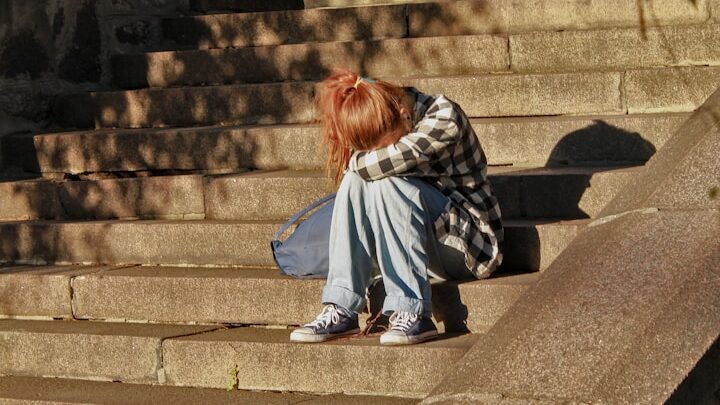
I recently asked a friend if she would like to babysit her 13-year-old daughter sometime. I hadn’t seen her in a while, even though her school is not far from me, and I was starting to miss her. Her mother replied that the girl had changed schools some time ago. The reason was bullying. When I said with astonishment that I hadn’t the slightest idea of such a thing, she replied that she hadn’t either. That unfortunately, she didn’t find out about the problems until it was too late. And there are plenty of cases like that, unfortunately.
I remember in primary school we were taught that if someone was going to hurt us at school, we needed to tell our parents or teachers. Fortunately, nothing like that ever happened to me, but I can’t imagine how I would have confided as a young child and overcome the fear that the situation would only get worse. So I think it’s a bit understandable that kids don’t say anything. It’s just that parents should sense the problem and take action, the signs are almost always there.
Children are often afraid
Global statistics show that around one in three children will experience bullying at school, whether physical or verbal. Of course, the situation varies a lot from country to country, but also from region to region within countries. Around one in six schoolchildren then experience cyberbullying, i.e. bullying that takes place online via e-mails or messages on social networks.
Unfortunately, a large number of children do not tell anyone about their problems. Statistics say that in some countries, up to 50% of primary school pupils do not talk about bullying or even deny it, even when their parents ask. Why?
“Children often don’t tell anyone when they are bullied because they are ashamed of the bullying, they are afraid of retaliation, they don’t think anyone can help them. In addition, most of them also feel that it is not okay to turn in a peer. They are simply afraid of the consequences,” explains school bullying expert Barbara Coloroso.
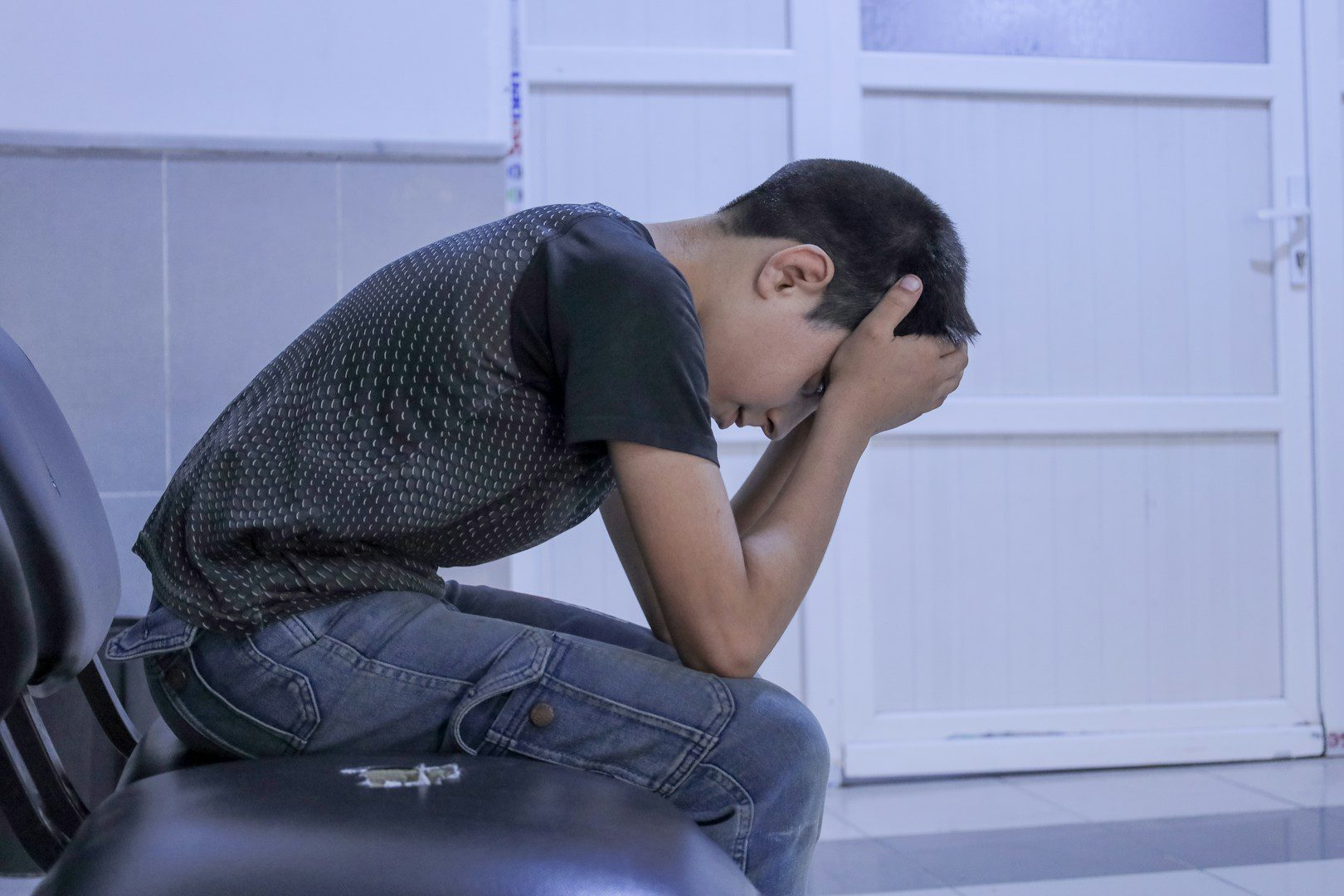 ━━ Children are often ashamed of their problems or fear revenge from those who hurt them. Often you, as parents, have to identify the problem.
( Source: mohamad azaam / Unsplash+ )
How to recognize and solve the problem?
Unless the children themselves admit that they have a problem, it is up to the parents to notice the signs that something has changed. Of course, if your offspring comes home with a blue eye, it is clear that something is wrong. It’s just that bullying is often psychological. And unfortunately, kids hide it well. So how do you know if your child is not in the right team at school?
- Changes in mood and behaviour: if your child is suddenly sad, nervous or you catch him crying but he can’t give you a reason, he’s probably afraid of something. It may just be a fear that he is not accepted by others at school and that this will not change.
- Withholding or isolation: whenever your child comes home from school, ask him how he has been, what has been going on at school. If he tries to change the subject and doesn’t have good or bad stories, he may not want to talk about something that is bothering him.
- Physical symptoms associated with stress: bullying takes a toll on a child psychologically. He or she will often get headaches, be tired, but may also have nausea or sleep problems.
- Loss of interest in school and activities: Children look forward to school at least once in a while. Not for learning, but for friends and activities. But if their enthusiasm wanes and they try to fake illness and stay home, for example, it’s a clear sign that something is wrong in the environment.
If you notice the slightest change in your child, it’s important to talk to them. If the offspring doesn’t say anything on his own, don’t push him into it or cause him stress. Try to address the situation with the teachers at school. If nothing helps, you can suggest that the child change schools. Even the reaction to this information will tell you a lot. And in the end, it may be the new environment that saves his childhood, but also his lifelong mental health.



 L. Novak



 O. Müller

 A. Urban