

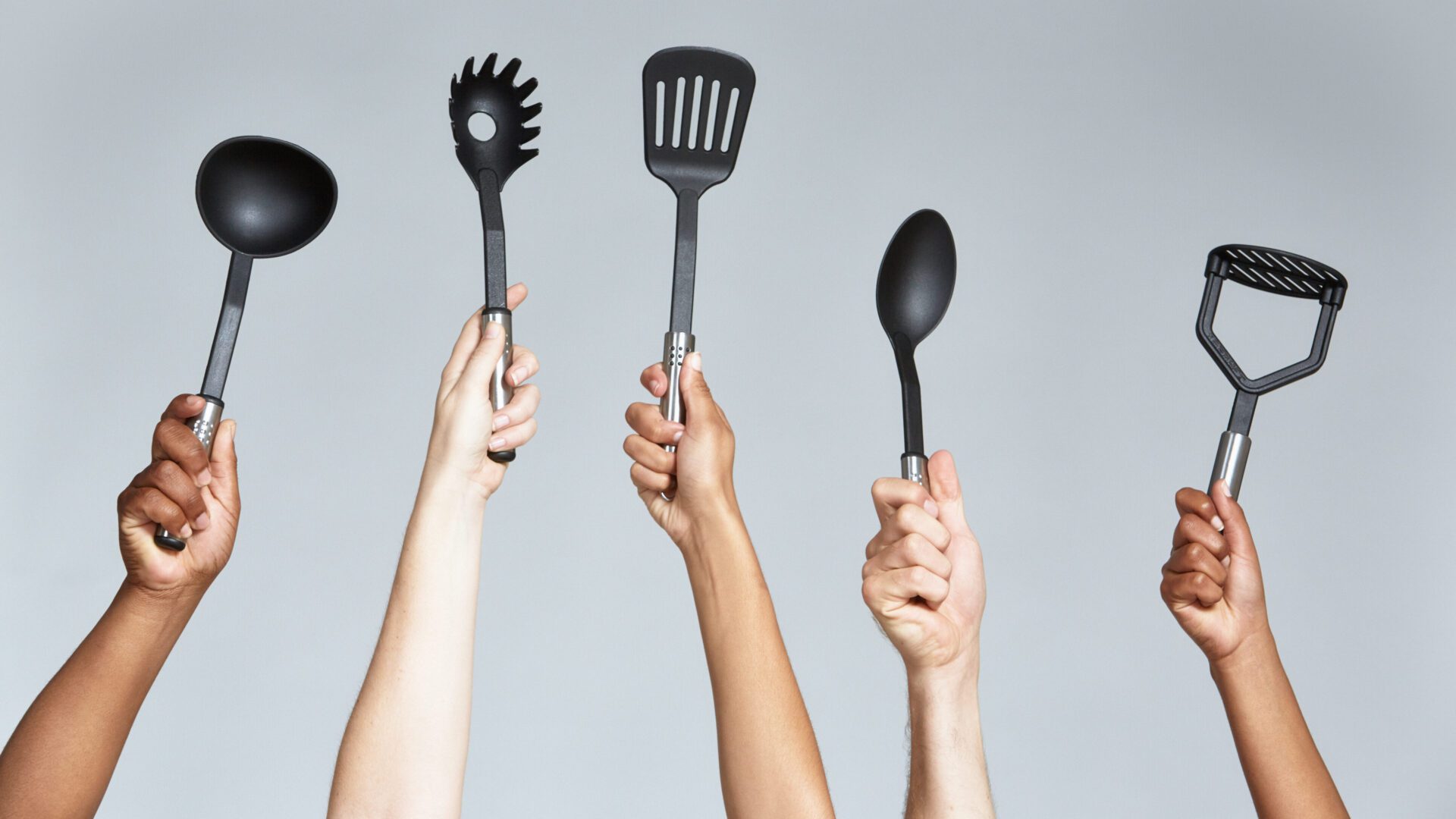
When you cook your favourite sauce and use a plastic ladle or spoon, few people think that microscopic plastic pieces, or microplastics for short, could end up in the food. Yet a growing number of scientific studies show that worn plastic kitchen utensils, scratches or cracks on the surface may not just be an aesthetic problem, but a real health risk.
How do you treat plastic utensils to avoid health complications? What exactly can happen if you consume food with microplastics in it for a long time? And how can you protect yourself from the situation? These questions are answered in the following article.
Microplastics are not just ocean waste
Home cooking can be a surprising source of microplastics. An analysis published in the journal MDPI points out that the frequent use of plastic kitchen utensils, i.e., cooking pots, spatulas, bowls, blenders and plastic cutting boards, can be a significant source of microplastics and nanoplastics in ready-to-eat meals.
The study states that, for example, slicing food on a plastic cutting board can generate 100 to 300 microplastic particles per millimetre of cut and up to 3 000 particles per millimetre of cut if the surface is scratched. If you use plastic chopping boards frequently, this can mean a significant amount of plastic particles in your total annual intake. Many people thus think that microplastics are only an ocean problem, but they are wrong.
How does damaged utensils release microparticles?
Mechanical wear and tear, such as a scratch, a crack, pressure-bent plastic. These are all key triggers for the release of microplastics. The most well-known example is non-stick pans with PTFE (Teflon) surfaces. Studies in the past have found that even a small scratch on a Teflon pan can release thousands of microparticles into food within 30 seconds of cooking. In the case of major damage, up to 2.3 million microplastics and nanoplastics.
This means that just a tiny crack or scratch, which can often be invisible, can turn home cooking into a source of contamination. Similarly, particles are released from plastic bowls, stirrers or mixers during mechanical rubbing, mixing, kneading or other activities. Situations where plastic comes into contact with hot food, fat, salt or acidic ingredients are particularly risky. This accelerates the degradation of the plastic and the release of particles.
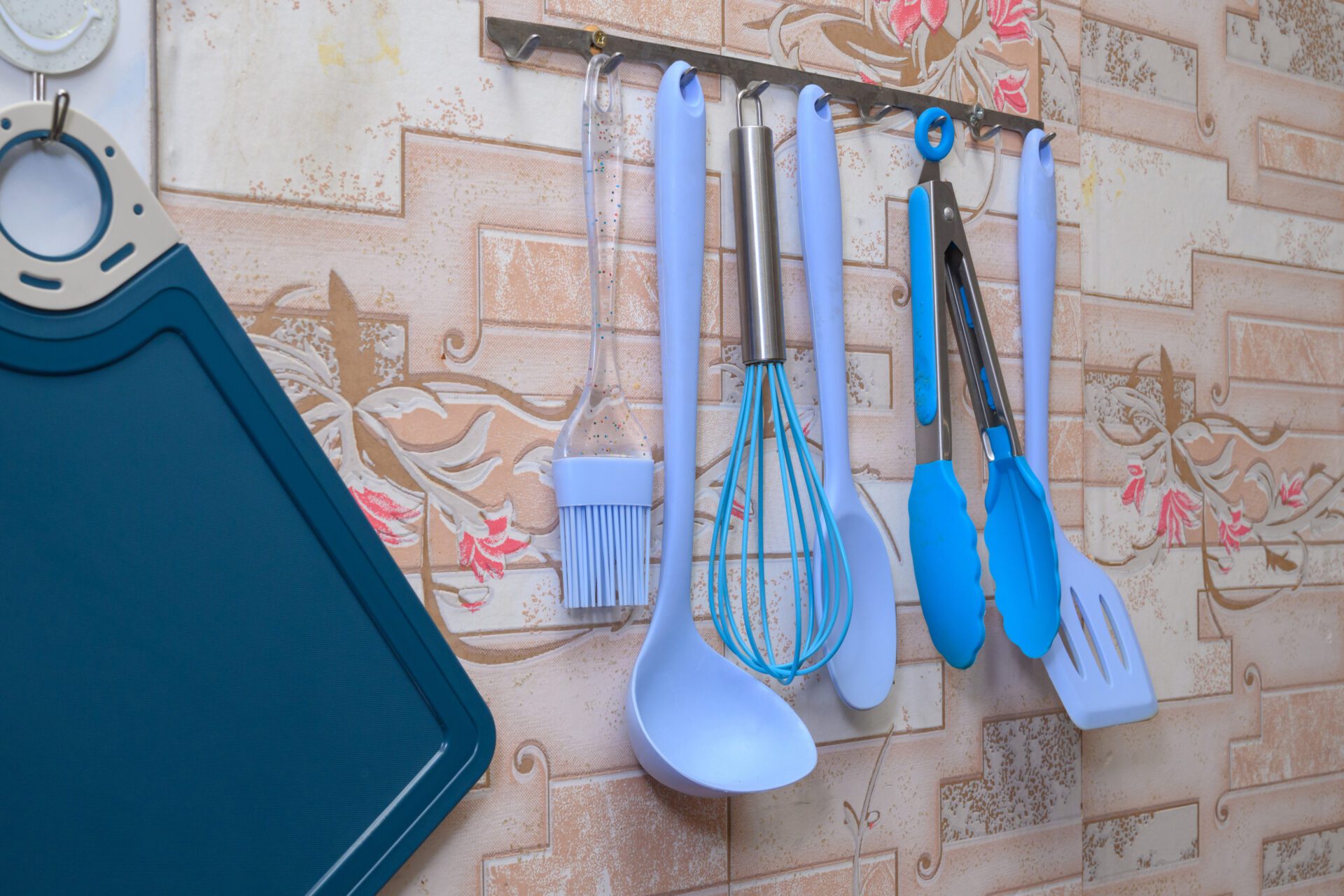 ━━ Flatware can cause a whole host of problems if you don't know how to use it properly.
( Source: Rodion Bondarenko / iStockphoto )
How much microplastics do we actually eat?
According to a review study published in 2023, the average person can ingest between 74,000 and 121,000 microplastic particles per year from food, water and air alone. If we add in other sources such as food processing in plastic, kitchen utensils, storage, rubbing and cooking, the real number could be much higher.
Moreover, the transfer of microplastics from food into the body is well established. Smaller sized particles can penetrate biological barriers, enter the blood and can even accumulate in tissues. Although the exact consequences of long-term consumption of microplastics for human health have not yet been definitively proven, some scientists have pointed out the possible risks. These include:
- Chronic inflammation
- impaired digestion
- headaches
- joint problems
- psychological problems
This proves that it is not just a theoretical risk. Microplastics from home cooking can realistically add to the total cumulative burden of plastics we eat, drink or inhale in our lifetime. It is therefore important to handle plastic utensils with care, replace them if they are damaged, or buy utensils made of other materials instead.



 L. Novak



 O. Müller

 A. Urban