

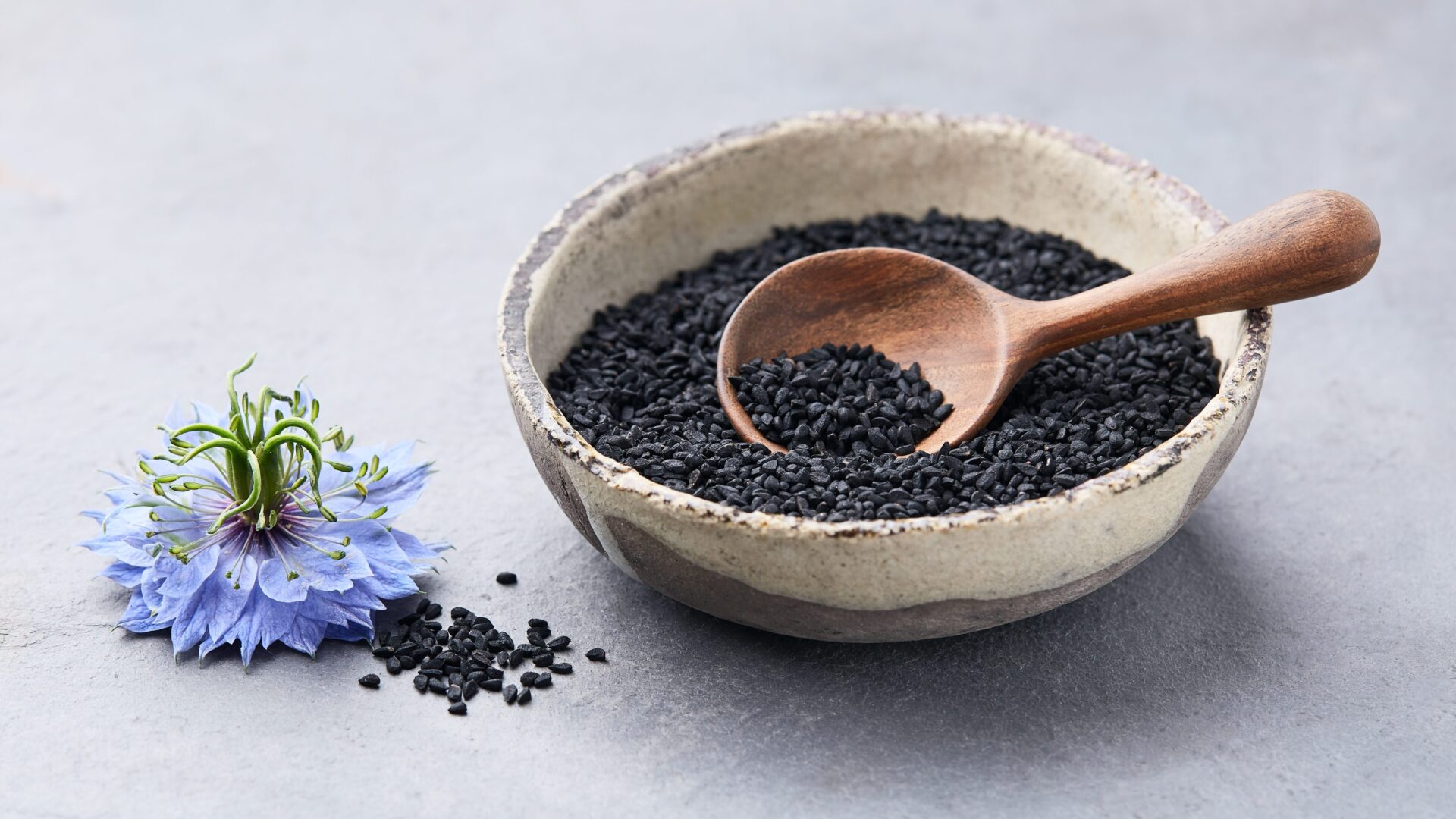
Already in ancient times, black cumin was used to produce cosmetics, medicines and is still part of traditional medicine. And although it was valued thousands of years ago, today it is forgotten. Yet it is scientifically proven to offer many health benefits, including lowering blood sugar.
Origin in antiquity
Black cumin is the seed of a plant called Nigella sativa, which has beautiful light blue petals. It originally grew in Asia, the Mediterranean and North Africa, from where it spread around the world. It made its mark in ancient Egypt, where it was used to make cosmetics and medicinal products. An interesting discovery of black cumin seeds in the tomb of the pharaoh Tutankhamen attests to its importance. It is even mentioned in the Old Testament, with the prophet Mohammed reportedly saying that the plant could ‘cure every disease except death’. In many sources, Nigella sativa is thus referred to as a ‘miracle herb’. At the turn of the 10th and 11th centuries, the renowned physician Avicenna also recognised several health benefits of black cumin.
Nutritional value
Black cumin is known for its high content of nutrients and bioactive compounds that make it useful in cooking and natural medicine. It contains 35-45 % fat, mainly unsaturated fatty acids such as linoleic and oleic, as well as protein, carbohydrates, fibre and minerals such as potassium, magnesium, iron, zinc, calcium and phosphorus. An important role is played by thymoquinone, a compound with strong anti-inflammatory and antioxidant properties.
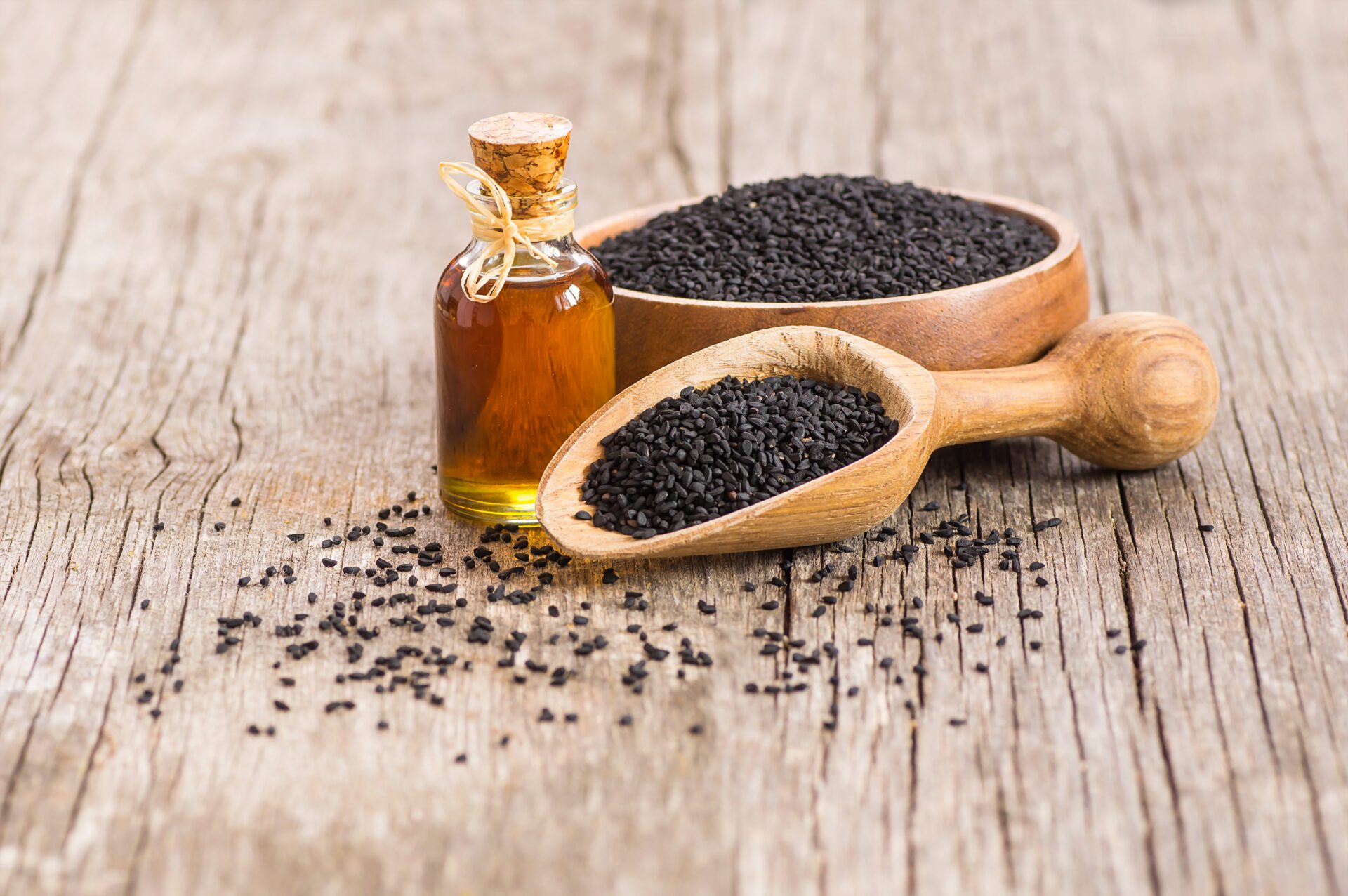 ━━ Black cumin has been used for thousands of years.
( Source: Halil Ibrahim Mescioglu / Shutterstock )
Scientifically based health effects
A number of studies have been published confirming the health benefits of black cumin. Thanks to the thymoquinone it contains, it has strong antioxidant and anti-inflammatory properties. This substance helps to prevent cell damage caused by free radicals and reduce chronic inflammation, thus protecting the intestines, fighting asthma or rheumatoid arthritis. It also significantly supports the immune system by providing the body with the ability to defend itself against infections and other pathogens.
Studies also show that it supports heart health. When consumed regularly, it reduces LDL “bad” cholesterol and increases HDL “good” cholesterol. Another valued effect is the improvement of glucose metabolism and insulin sensitivity, which prevents the onset of type 2 diabetes. Other health benefits include protecting the kidneys and improving the functioning of the respiratory system. During pollen season, it helps to alleviate the symptoms of allergic reactions.
When is it worth it?
How do you know if you should include black cumin in your diet? Choose it when you have a cold or low immunity, in conditions of chronic fatigue and digestive problems, during pollen season or when you want to supplement your diet with natural antioxidants. Black cumin is used as a seasoning for baked goods, sauces or drinks. It is also used in confectionery or spirits.
Side effects
People taking medication for diabetes, high blood pressure or bleeding disorders should consider consuming black cumin and consult a doctor. Large amounts should be avoided by pregnant and breastfeeding women. Side effects include skin rashes, vomiting or upset stomach.


 Šárka Cvrkalová

 L. Novak



 O. Müller
