

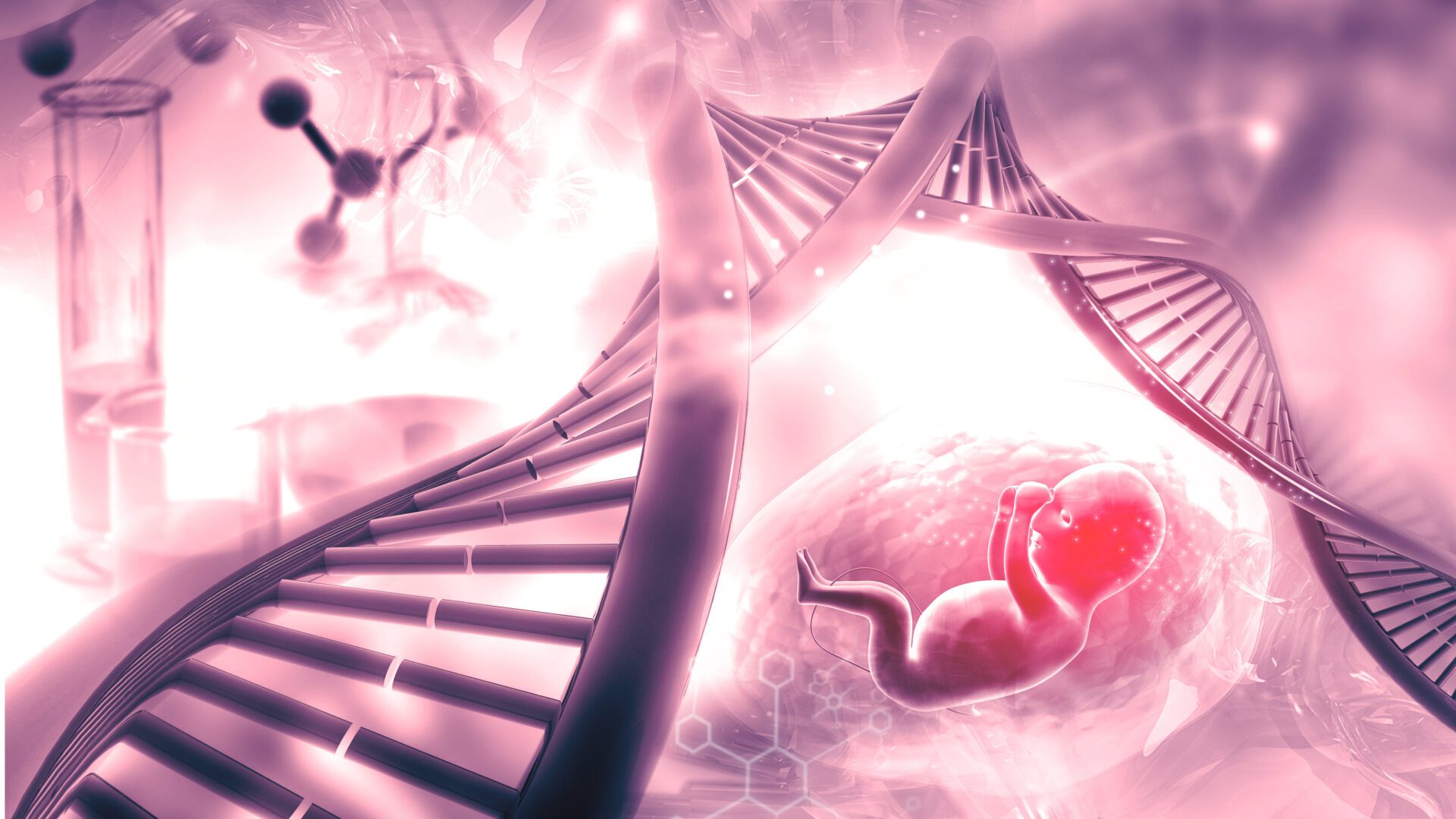
Birth. It’s something absolutely magical, mysterious, profound. It’s a long way from a tiny cell to a living, breathing individual. But the whole process is absolutely miraculous. How does the transformation take place? How does a microscopic spark of life actually become a thinking person full of emotions with its own unique identity? Science has answers to many questions.
One single cell creates a brain and a functioning body in nine months. Each of us is, in essence, a walking miracle. One single cell has embedded within it a mechanical consciousness that could autonomously create a body. No one else plays a role in this creation. The cell contains all the necessary instructions to divide into multiple cells.
The theory of perforation
The process of birth has fascinated scientists for years. One of the first theories that explains human development is the theory of perforation. This theory provides a simple answer. Inside the body we have small and fully formed members of the next generation that grow inside the mother until they reach the size of a child capable of surviving outside the womb. The solution avoids the question of how complexity unfolds. Thus, perforation rejects some questions and is certainly not a comprehensive explanation.
 ━━ A single cell gives rise to an entire human body within nine months, a testament to the miraculous nature of birth.
( Source: Filip Mroz / Unsplash+ )
Plan of life
At the moment of conception, 23 chromosomes from the mother and 23 from the father are merged to form a genetic blueprint. Even then, eye colour, likely talents and characteristics are determined. Within hours, the cell begins to divide and multiply. Twenty-two days later, the heart begins to beat, and then the whole body, all the organs, are gradually formed. How the body is formed is quite clear, but how does the mind awaken? Studies show that by the third trimester, the child hears voices, recognizes music and forms preferences. Then babies can begin to show emotions just a few hours after birth. They can show anxiety about loneliness, curiosity or comfort at mom’s touch.
Of course, each personality is then also influenced by upbringing. According to scientists, the first five years are so-called critical. The brain is at its most flexible at this time and learns at an unprecedented rate. The emotional bonds formed during these years shape relationships for life. A person is also influenced by the environment in which they live, the way anyone speaks to them and, of course, touch and experience. No two people can ever be the same. Not even identical twins. They each have a completely original consciousness.
The secret of birth
Many ancient cultures believed that birth is the moment when the soul enters the body. In modern philosophy, some scientists think that life itself is an illusion. Just a fleeting moment of awareness in an infinite cosmos. Others again have a religious perspective, where the religious see birth as both a gift and a cycle of existence. Where do we come from? Where are we going? This is still an unanswered question.


 Šárka Cvrkalová




 O. Müller

 A. Urban