

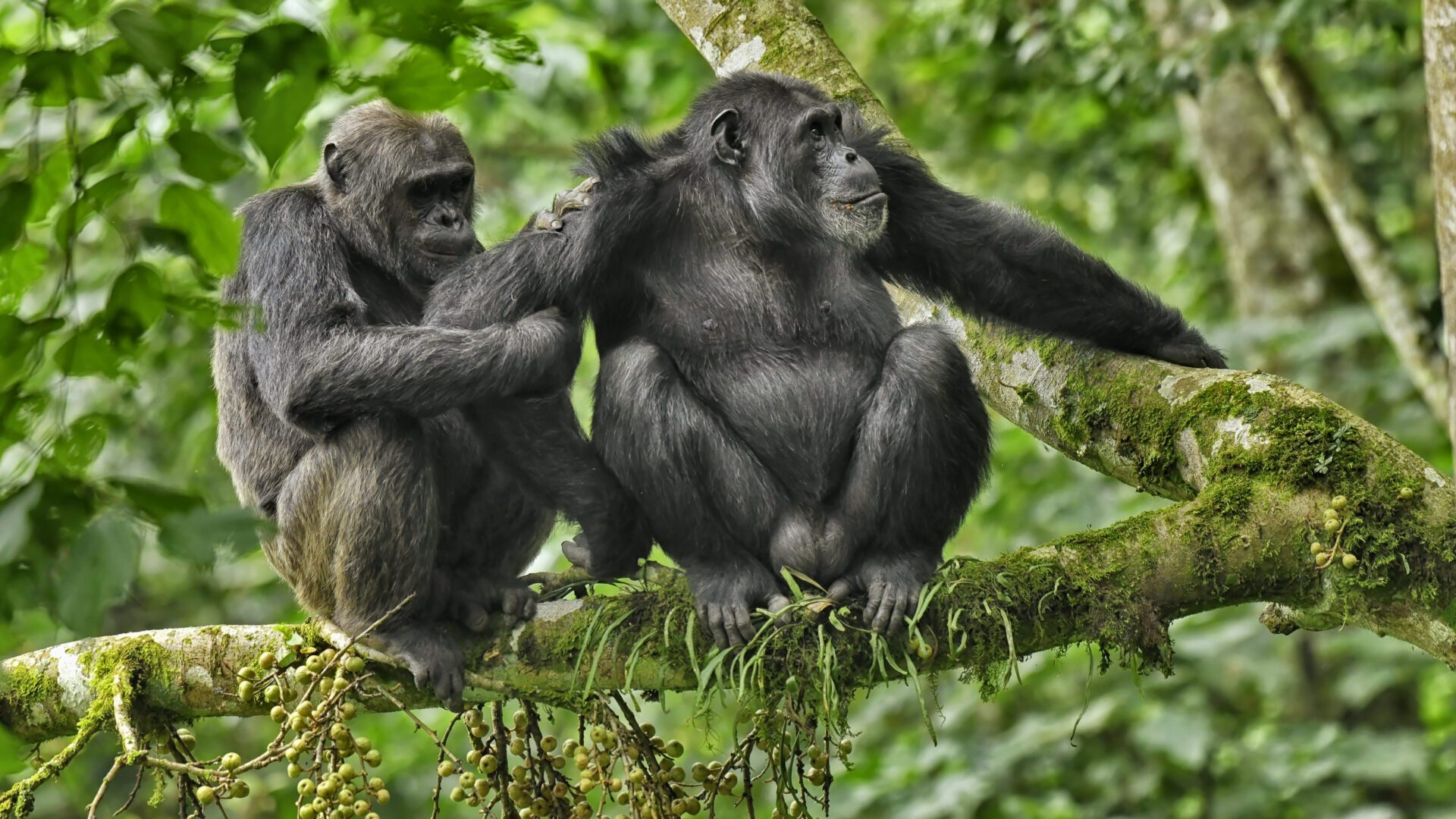
Primates live in the wild, but they are also a common sight in zoos around the world. However, they often face threats as they are not protected in many countries, but used as a source of trade or for testing. International Primate Day was created to promote their conservation.
The importance of primate conservation
Many people are not indifferent to the fate of primates. For this reason, International Primate Day is celebrated every year on 1 September to promote the conservation of primates . These include chimpanzees, orangutans, gorillas and lemurs, among many other species. The day was established in 2005 by Animal Defenders International (ADI). It was primarily driven by a desire to prevent experimentation on these animals that was being carried out for disease research.
Reducing numbers
Another of the main objectives focused on spreading awareness about primates that are endangered or on the verge of extinction. It is reported that over 500 species belong to the primate order, but they are facing major declines. They are found in about 90 countries, but about two-thirds are found mainly in Brazil, Indonesia, the Democratic Republic of Congo and Madagascar. Indeed, their existence is under threat, as many of them are just one step away from extinction.
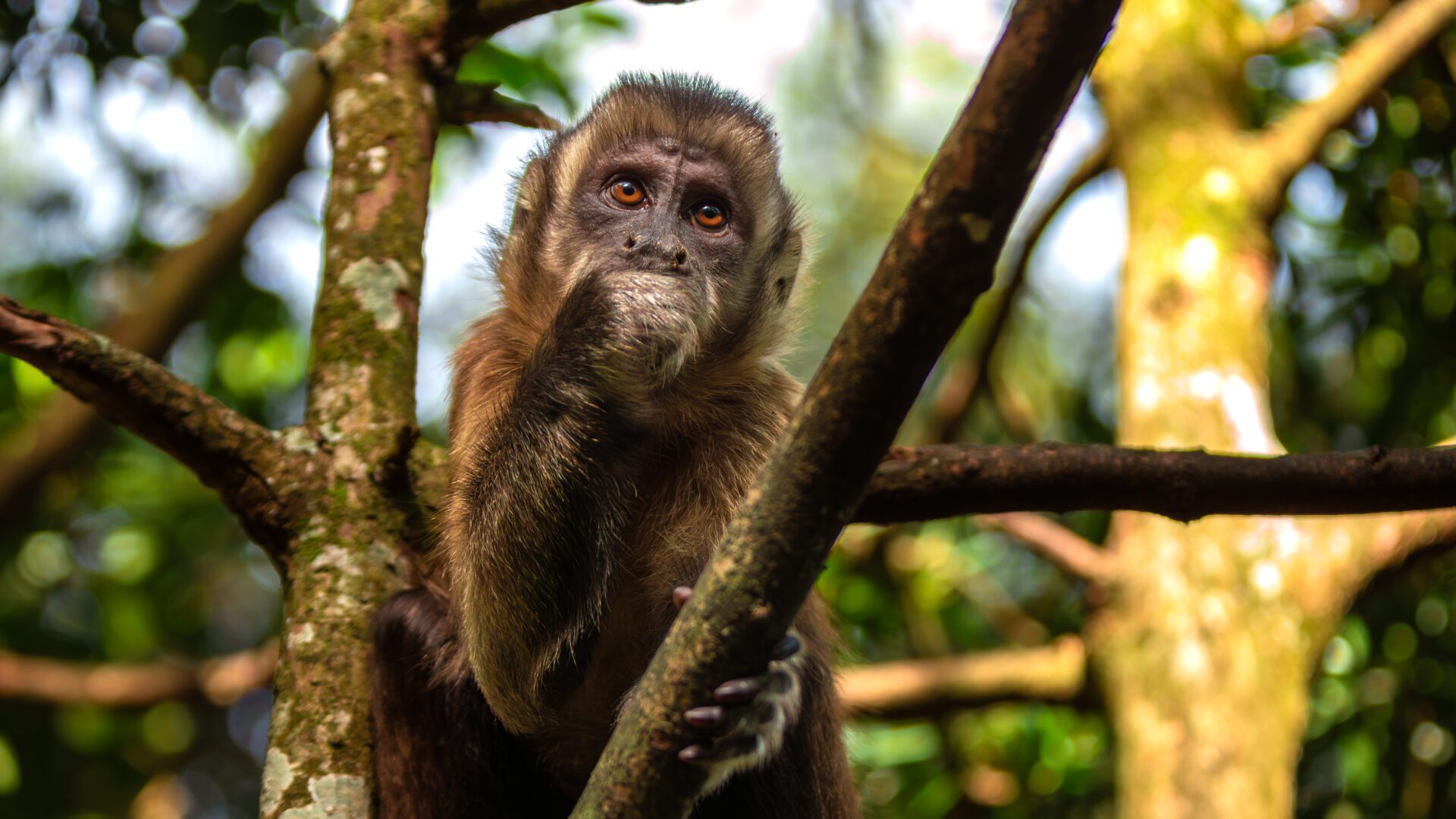 ━━ Primates should not be inferior. They share the same DNA with humans.
( Source: Michael Jagla / iStockphoto )
Why celebrate primates?
Primates are an important part of the animal kingdom. Their defenders are trying to spread the idea that we should make sure that they are allowed to live in the same conditions. Instead of supporting their extinction, which they are rapidly heading towards.
After all, they are our relatives, for they are intelligent, social and emotional. Science says they share up to 98% of human DNA. Protecting them means protecting our own existence. Let’s not look at them as animals, but as rational, thinking beings. Although people routinely go to zoos to watch them, primates find life unpleasant and depressing. They miss their natural habitat, which results in stress, boredom and abnormal behaviour.
Unfortunately, however, they are forced to live in captivity, functioning as objects for testing or entertainment. International Primate Day thus fights for their protection, but also for the freedom that is very often denied to them.


 Šárka Cvrkalová

 L. Novak



 O. Müller
