


Cholesterol is a waxy, fat-like substance found in some foods. The human body needs a certain amount of cholesterol to function normally and healthily. However, excess cholesterol is harmful to the body. Cholesterol is divided into so-called good and bad cholesterol. The normal range varies according to age and also according to gender.
How much cholesterol is normal
Most healthy adults should have LDL, or low-density lipoprotein cholesterol, levels below 100 mg/dl and HDL, or high-density lipoprotein cholesterol, levels above 40 mg/dl. High cholesterol can increase the risk of health problems such as stroke or heart disease. Specifically, too much bad cholesterol in the bloodstream can build up and form fatty deposits called plaques. It is the deposits that are the source of the trouble. Bad and total cholesterol levels should be low.
However, higher levels of good cholesterol can reduce the risk of myocardial infarction or stroke. Doctors measure levels of either individual types of cholesterol or total cholesterol. In general, cholesterol levels increase with age. It is for this reason that cholesterol is monitored regularly in adulthood. It is enough to check its level once in five years. More frequent testing is advisable for people with a family history of high cholesterol or with diabetes or heart disease.
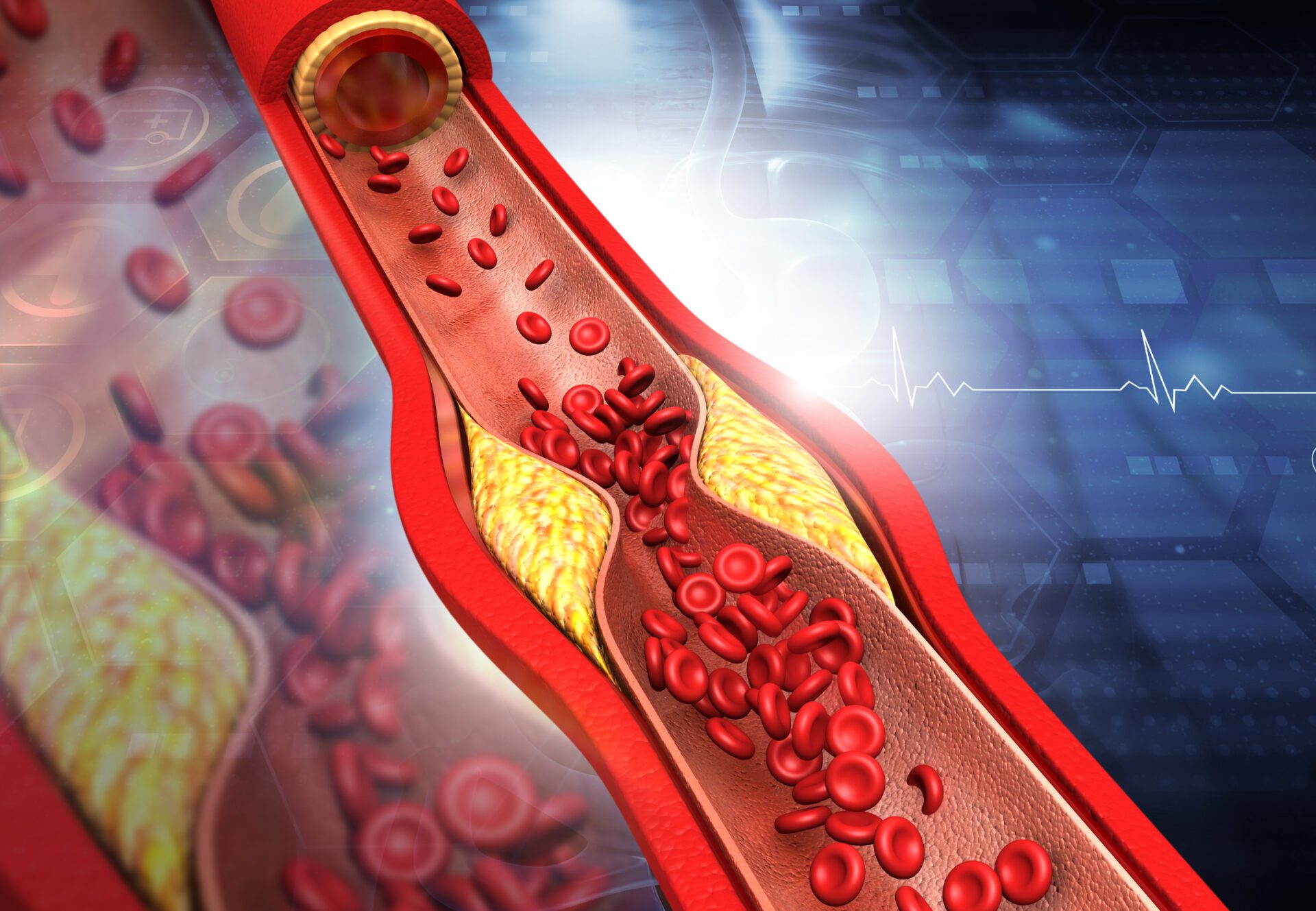 ━━
( Source: Rasi Bhadramani / iStockphoto )
Who has high cholesterol
High cholesterol can attack anyone at any time. Between the ages of 20 and 39, cholesterol levels tend to be higher in men. In women, cholesterol levels may increase in the postmenopausal period. In general, cholesterol increases with age and men tend to have more problems. Weight also affects cholesterol levels. People who are overweight or obese have an increased risk of having high cholesterol, as do those who have a sedentary lifestyle. Lack of exercise increases the risk of high cholesterol. Cholesterol levels can also vary by ethnicity.
How to lower cholesterol
Lifestyle changes can help with lowering cholesterol levels. The ideal is to consume mainly healthy, unprocessed foods. Of course, the diet should be balanced. It is important to take in the right amount of proteins, fats and sugars. Regular exercise is also advisable. Conversely, it is great to avoid alcohol and drink it only occasionally in small doses. Quitting smoking will also help to lower cholesterol.
Of course, medications are also taken for cholesterol. The most common medications for high cholesterol are statins, but there are other types of medications such as bile acid sequestrants or cholesterol absorption inhibitor. And last but not least, citrate lyase inhibitors are also used. So it is up to the treating physician’s evaluation to choose the specific type of medication that will be ideal for you.


 Šárka Cvrkalová




 O. Müller

 A. Urban