

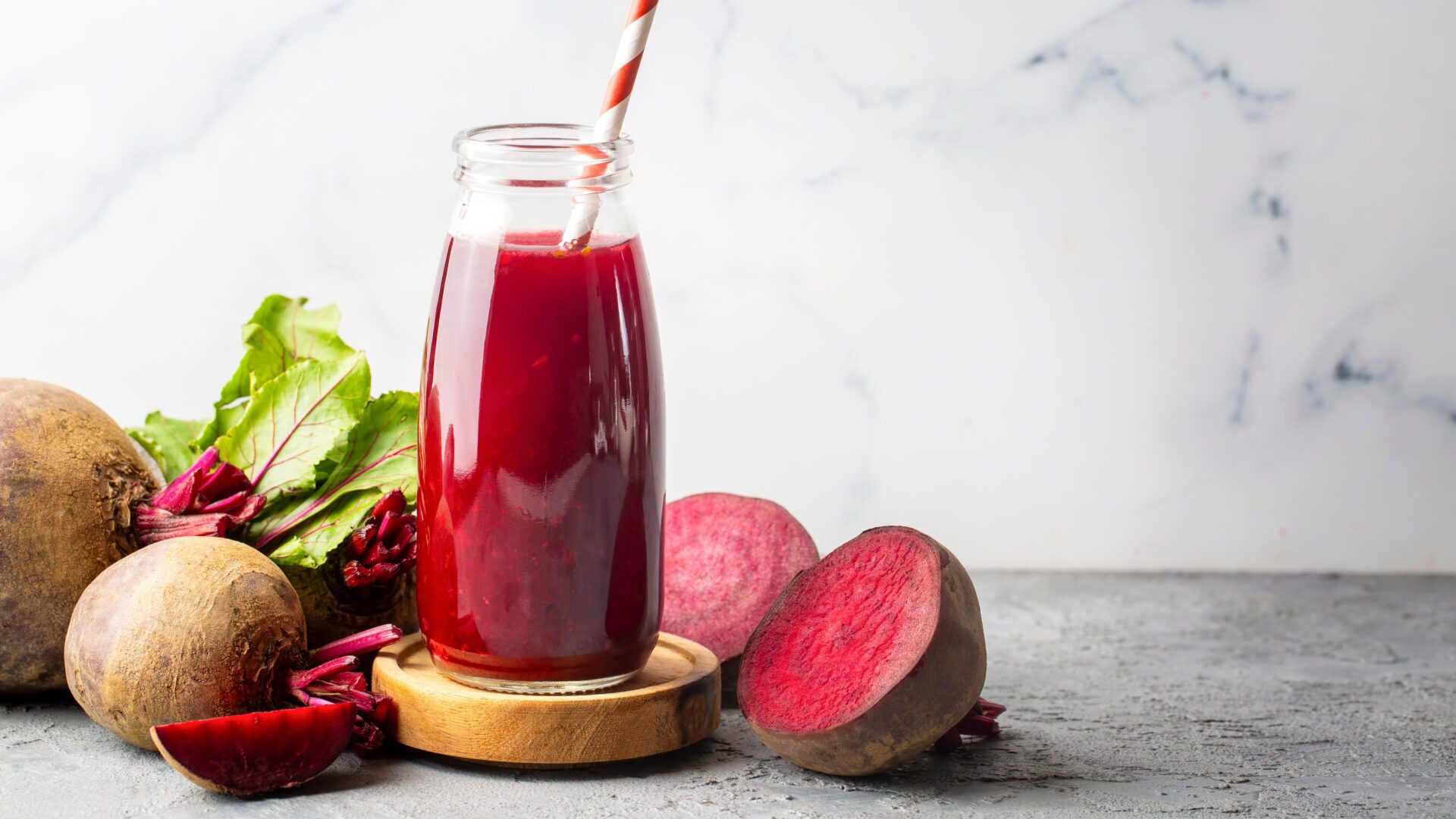
When I heard the advice that after drinking one glass of beetroot juice a day, the pressure is reduced after just a few hours, I took a skeptical approach. Drinking beetroot? I can’t possibly like that, not to mention the would-be quick effects. But what if science confirms the benefits of this helper?
I regularly use or seek out natural remedies to promote health. After all, drinking juices is generally recommended as the best way to get vitamins, minerals and antioxidants. I often come across guaranteed advice that it only takes a few doses to see changes. On the one hand, I understand that the human desire for simple solutions is encouraged in this way, on the other hand, the body is not that simple and cannot be reconfigured and healed with a wave of the hand.
However, for millennia, healing has focused on raw materials that people have grown themselves. Even my grandmother drilled into my head from childhood that what we find in nature is good for us. She used to say this about different kinds of vegetables, fruits and herbs, and was fond of pointing out beetroot. These memories surfaced fairly recently when I came across the reported effects of beetroot. So how is it?
Can it curb high blood pressure?
There are rumours around beetroot that it can reduce high blood pressure. And if you want to get the most out of it, it should be eaten raw, but ideally it should be drunk in juice form. As the experts explain, its effect lies in the nitrates it contains, which are converted into nitric oxide in the body. As a result, blood vessels dilate, which improves blood flow and lowers blood pressure.
 ━━ The recommended daily dose of beetroot juice is between 200-400 ml.
( Source: Pixel-Shot / Shutterstock )
According to a study that looked at the effect of beetroot on blood pressure in adults with hypertension, a daily intake of 200-800 mg of nitrate reduced systolic blood pressure. This amount is usually equivalent to drinking approximately 1-2 glasses (about 200-400 ml). The effect of beetroot juice was observed at different time intervals. In the case of a one-time effect, the effect occurred within a few hours to a day. When taken regularly for several weeks, the effect then appeared more stable and pronounced, as mentioned in another study. But of course it is important to consult a doctor, especially if you are taking medication.
Looking at the other benefits of beetroot, it also has anti-inflammatory properties, contains antioxidants, folic acid, potassium, plenty of iron and fibre, which supports the digestive system. It is also recommended for athletes as it increases performance, reduces fatigue and promotes faster recovery.
Personal experience
I started paying attention to beetroot because of my dad, who suffers from high blood pressure. Since he himself did not show the initiative to look for a natural and gentle solution, I gave numerous recommendations and researched the opinions of experts on beet juice. When Dad indulged in it regularly, not only did he feel less tired, but his blood pressure readings were actually lower and did not fluctuate.


 Šárka Cvrkalová

 L. Novak



 O. Müller
