

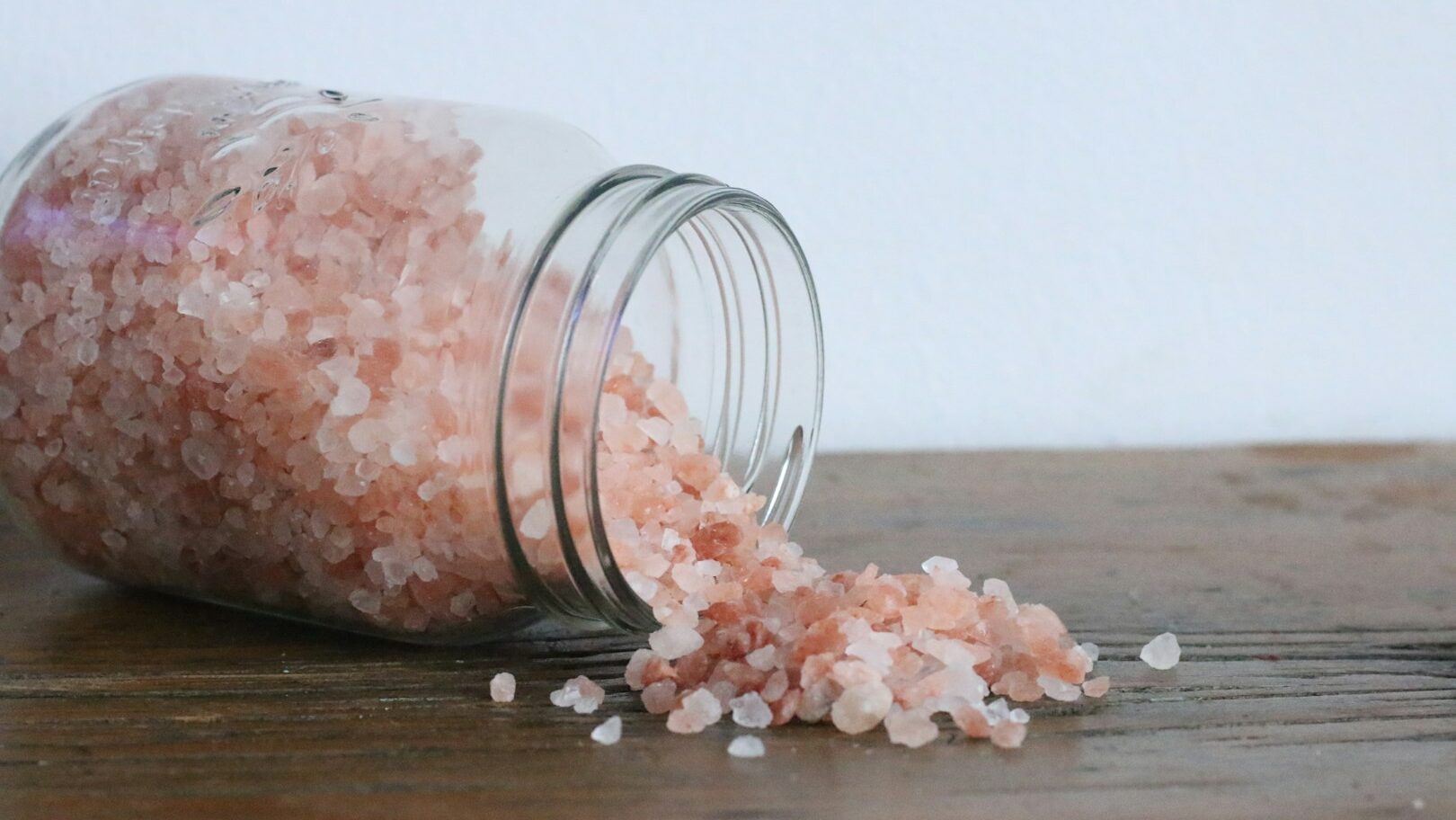
Himalayan salt, often referred to by the English term pink Himalayan salt, has been at the forefront of wellness trends in recent years thanks to claims that it helps detoxify the body, promote hydration and soothe digestion. But what of what is said about it is true? Is it really such a miracle product and will its inclusion in our diet help our bodies?
There are claims in marketing that Himalayan salt contains up to 84 trace minerals, that it washes away toxins or that it improves digestion. However, scientific evidence is limited and many experts warn that the differences from regular table salt are minimal. There are some, though. In the following article, you will learn how and why to include this ingredient in your diet, as well as what is true and what is false from the available information.
Detoxifying the body
One of the most common claims is that Himalayan salt helps to detoxify, which means that it promotes the removal of toxins, heavy metals or other pollutants from the body. However, this is countered by the fact that the human body has its own mechanisms (liver, kidneys, skin) for eliminating waste substances. Moreover, there is no scientific evidence that Himalayan salt specifically improves these processes significantly. For example, the Cleveland Clinic states that claims of Himalayan salt’s detoxifying abilities are not supported by science.
Another myth about Himalayan salt is its higher mineral content. Is there any truth to it? Yes, but the amount of substances in it is so small that one would have to consume more than 30 grams of salt per day (which is about six teaspoons) on a regular basis for the claim to make sense in terms of nutritional benefits. Moreover, such an amount would imply a high risk of excessive sodium intake and therefore a health risk.
Hydrating the body
Another claim states that Himalayan salt promotes better hydration because it contains trace minerals and promotes electrolyte balance. From a certain perspective, sodium is crucial for maintaining fluid volume in the body, transmission of nerve impulses and muscle function. However, experts point out that when the body takes in more sodium, it automatically requires more water. So the claim that pink salt specifically will improve hydration is misleading.
For example, VerywellHealth notes that pink salt may have traces of beneficial minerals, but it will not improve hydration.
The difference in electrolyte effect is minimal. From all indications, the benefit in hydration is very limited, if it exists at all, and the key is sufficient water and a balanced diet rather than a particular type of salt.
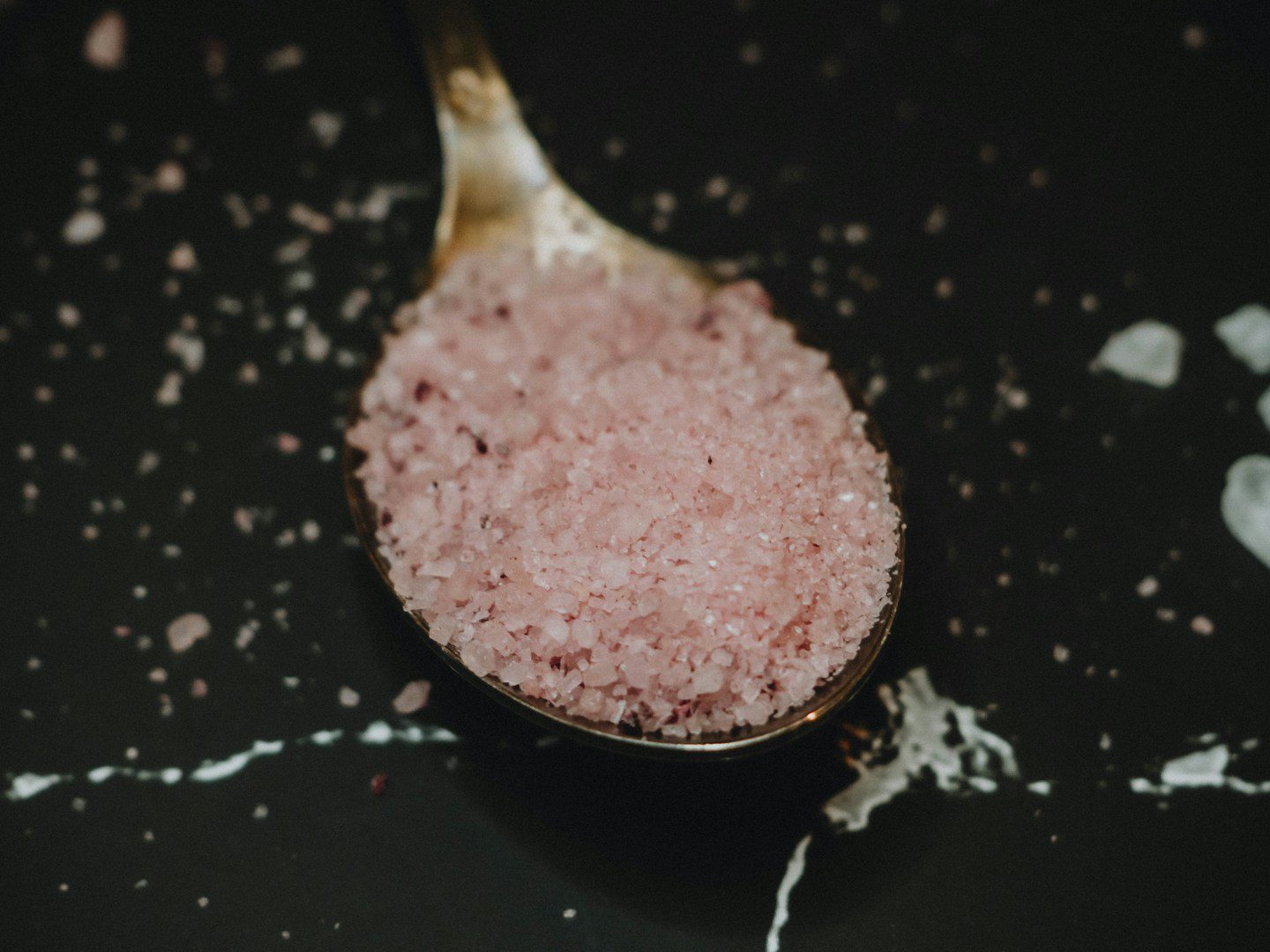 ━━ Excessive salting is not healthy. But you can replace ordinary salt with Himalayan salt and improve your diet a little.
( Source: Anastasia Zhenina / Unsplash+ )
Soothing the stomach and digestion
The third area where Himalayan salt is recommended is digestion. For example, there are claims that salt can help to relieve stomach irritation, stimulate digestive juices, regulate mucosal pH or soothe the stomach after a heavy meal. However, direct scientific studies specifically evaluating Himalayan salt in this regard are almost nil.
While research analyzing the mineral composition of pink salt has found that it contains higher amounts of certain minerals(including calcium, magnesium, iron) than regular table salt, it again states that one would have to ingest large amounts of salt daily for the fact to take effect.
Thus, from a practical point of view, it is much more important to monitor sodium intake than to rely on the miraculous effects of a particular salt.
Himalayan salt is healthier than conventional salt. It is advisable to include it in the diet. In the long run, it may help slightly with some things. But it is not a miracle cure that will change the situation significantly and in a short time.



 L. Novak



 O. Müller

 A. Urban