

I’m sure you’ve been invited to a party and turned it down just so you could sit at home in silence or read a book. Is that so? Most people find it absurd: to willingly exchange the company of many friends and fun for solitude. But what if it were otherwise? What if choosing solitude wasn’t a social disadvantage? It may surprise you to learn that the more intelligent a person is, the less satisfaction they derive from social interactions.
Most people are happy as long as they can spend time with others. They are happy if they can confide in someone, laugh with others. The brain supplies the body with oxytocin and dopamine. But some people don’t seek out fun. It’s as if their emotional compass is telling them they need to be still. Not somewhere in a crowd of friends. There are simply people who are much more comfortable in solitude. And it’s not at all strange for them to spend their weekends with a book or on the computer finishing a research paper.
Brain settings
Intelligence shapes our perception of the world and the people around us. As intellect grows, so do social preferences. This leads above-average intelligent people to seek more solitude and less social interaction. This is no coincidence. Their brains are simply wired that way. For those with high intelligence, the ability to be harshly critical acts as a double-edged weapon. In analytical challenges, it’s a key skill. It just makes normal social interactions more difficult.
Intelligent people can see illogical behavior in social settings that others accept as normal. Awareness of the situation can then lead to feelings of isolation. As a result, social encounters may seem less fulfilling for an intelligent person. This is what leads bright individuals to seek solitude. This is much less frustrating for them. And it’s actually perfectly comfortable, too.
 ━━
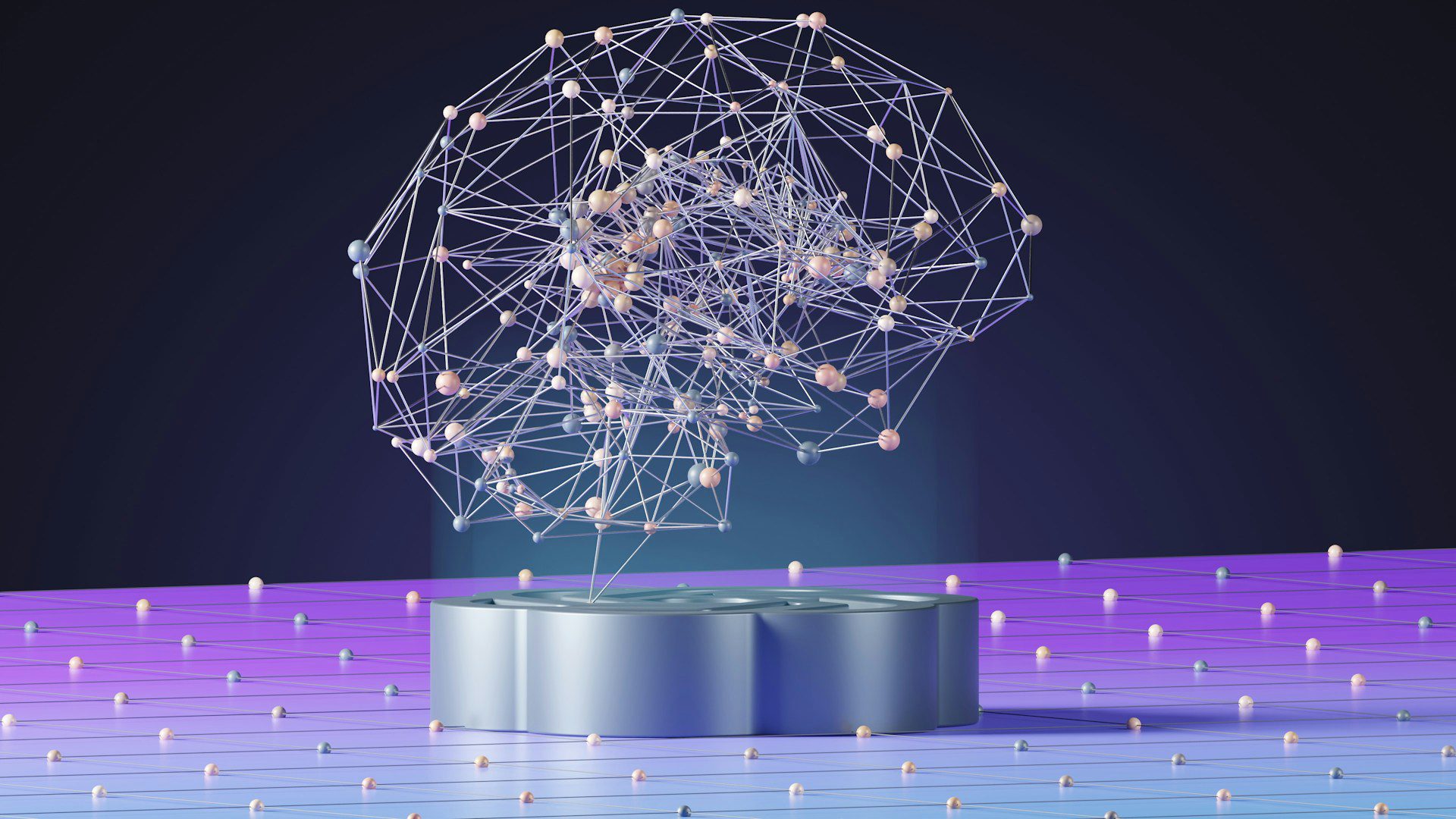
( Source: Quan Nguyen / Unsplash+ )
Why they have fewer friends
Highly intelligent individuals simply think differently than most of society. They process information differently and can think about things that others simply don’t think about at all. Common conversational topics are virtually uninteresting to them. They see the world in a completely different way. And finding someone else who processes information the same way they do is really difficult. There really aren’t many highly intelligent people in the world.
Studies suggest that such people like to live in less populated areas. After all, according to experts, everyone who lives in places with smaller populations is happier. In fact, city life full of noise and chaos can overstimulate the nervous system. Quiet environments reflect the rhythms we were once designed to follow.
More friends does not mean happiness
Many people believe that the more friends they have, the happier they are. They are surrounded by lots of people and go to lots of parties. But quantity does not mean quality. So it’s up to everyone. And if an above-average intelligent person feels that he is better off if he is not surrounded by friends, then that is correct. Scientists call it the paradox of happiness. Highly intelligent people feel happiness not when surrounded by friends, but when they are doing intense and independent work. Moreover, as already mentioned, they are not attracted by the conversations of others. They crave deep discussions and mutual growth. Therefore, such people are definitely not antisocial, cold or arrogant. Although it may seem so at first glance.


 Šárka Cvrkalová




 O. Müller

 A. Urban