

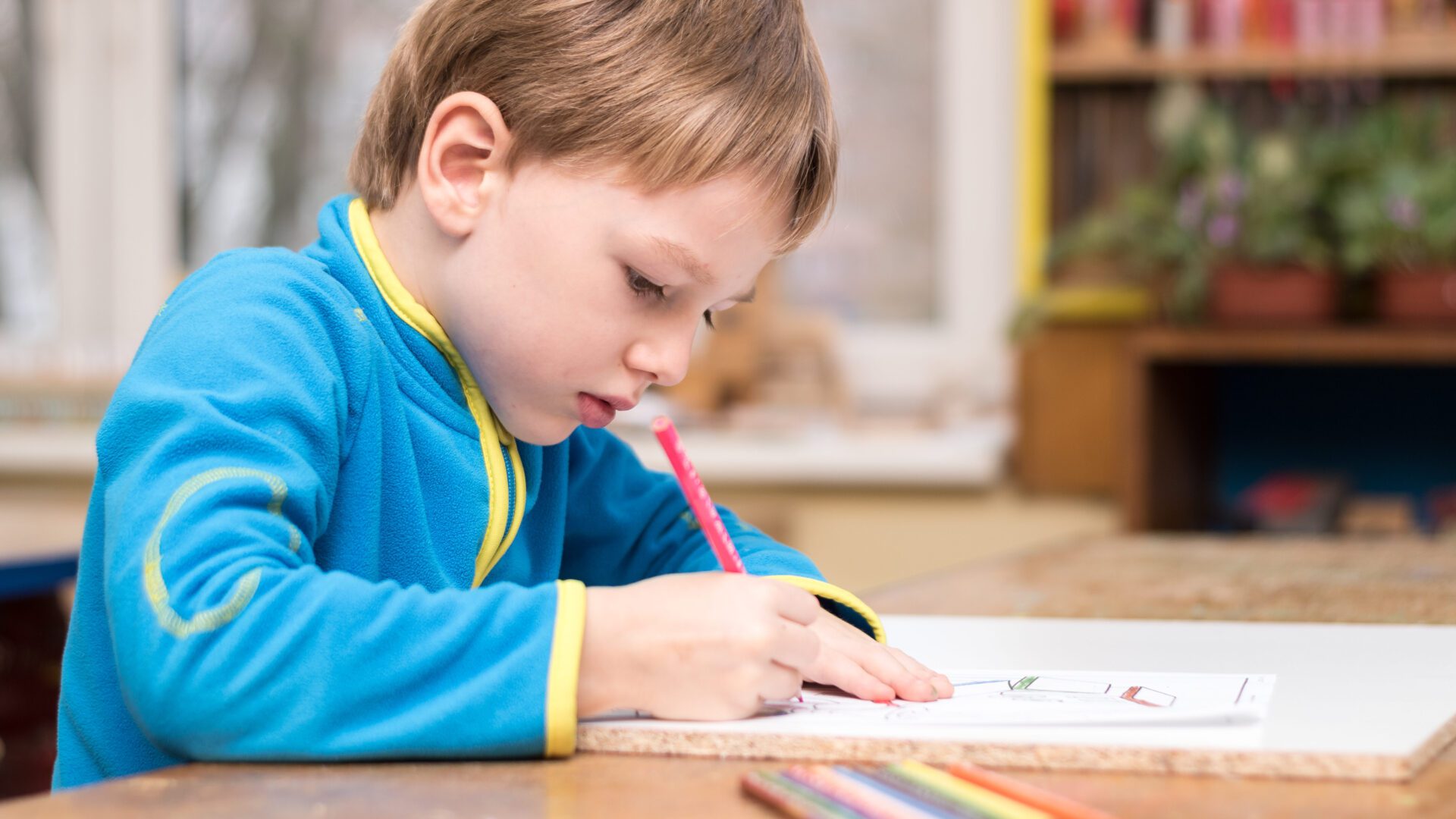
It is relatively common for some children to start reading and writing much earlier than their peers. Sometimes even as early as four or five years old. This may be evidence of early cognitive abilities or specific interests and stimuli in the family. At the same time, however, high IQ and early mastery of school skills may not just be a gift without complications. It is necessary to think about the fact that you need to give special care to such an offspring.
The child may experience boredom, social isolation or bullying, or his emotional needs may not develop in synchrony with his cognitive level. Why do we need to identify such children early and support their interests and talents in a targeted way? What do psychologists have to say about the situation and how to properly integrate such a child among his peers?
Who is a gifted child and how do you recognize him?
Many definitions of intellectual giftedness are based on the results of standardized tests. Traditionally, an IQ of around 130 or more has been cited as the limit of giftedness. Truly high scores are rare in children and are related to measurable cognitive advantages that can manifest as very early literacy.
Historical and current research observations show that a proportion of gifted children can read by preschool age. A classic review paper reports that in some studies up to around 40% of identified gifted children read their first texts before starting school. This does not mean that every such child is gifted. A much more comprehensive diagnosis is needed.
The risk of boredom and non-compliance, social risks
Children who are cognitively ahead of others often come to school where the curriculum repeats what they have already mastered. This leads to reduced interest in school, superficial performance of tasks, learning fatigue or even lack of motivation and disobedience. Research on the social-emotional development of the gifted shows that the absence of intellectual challenge is one of the main triggers of demotivation and internal problems in these children.
Moreover, gifted children are not immune to bullying. On the contrary, their difference sometimes makes them targets of ridicule. Often such children are singled out from the group of others. Some studies in the past have shown that these pupils are even at higher risk of targeted bullying or social isolation because their difference is more visible. Long-term research on exceptionally gifted children also shows that remaining among peers without adequate adjustment can lead to feelings of isolation, lower social self-esteem and possibly underperformance.
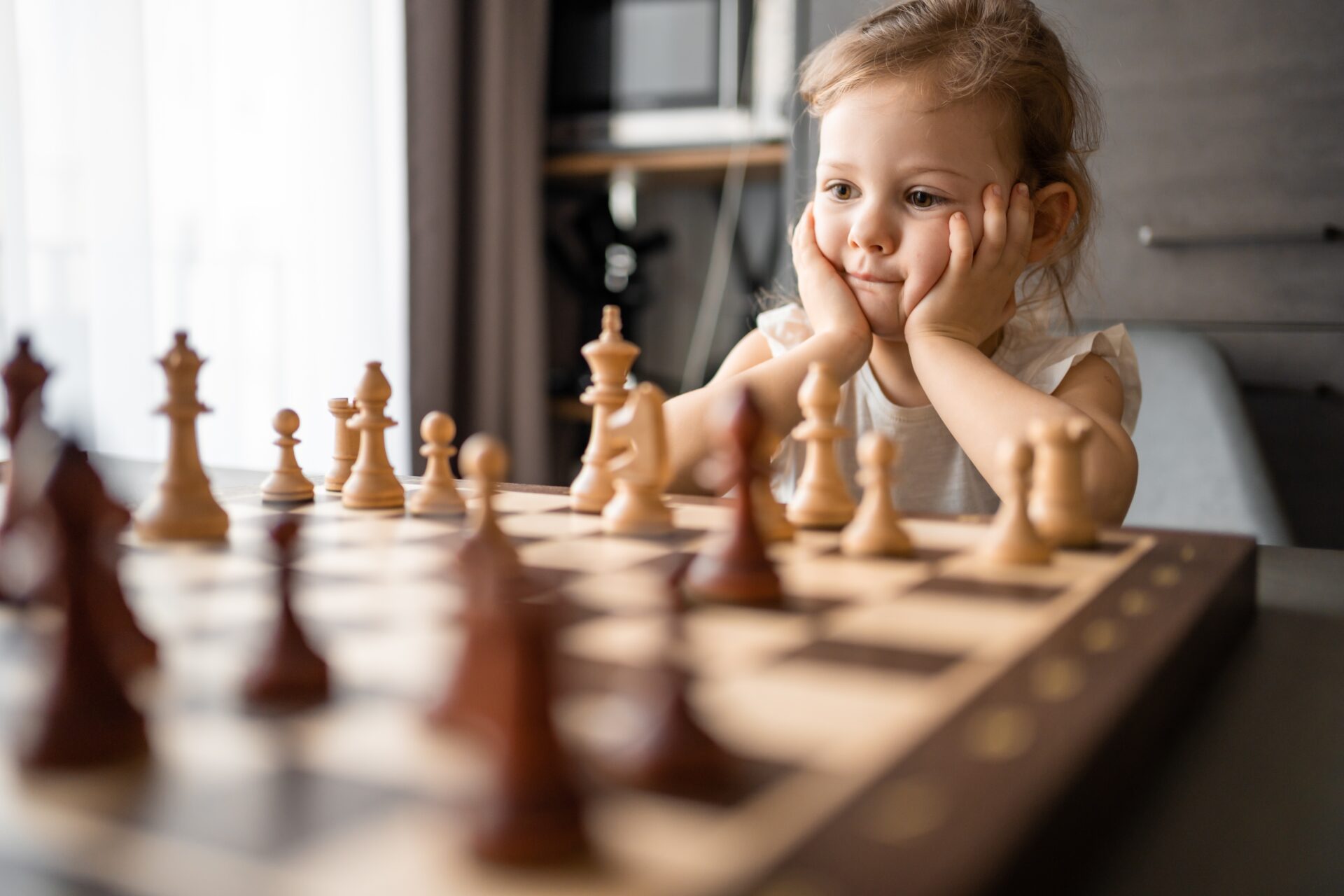 ━━ Clever children also need attention because they can be excluded by the collective.
( Source: Tatiana Diuvbanova / Shutterstock )
How can parents and schools help?
The first step is to identify the gifted child. If your offspring is reading and writing at five, this is not a diagnosis in itself, but a signal for attention. A psychologist or special educator can assess whether it is early giftedness. If indeed the child has some qualities that his peers do not have, you need to approach him very specifically.
Recommended practices include differentiated instruction (ability-level tasks), projects and deeper exploratory tasks, opportunities to interact with peers of the same level, and possible acceleration (i.e., skipping a grade or accelerating content). Above all, though, supporting social-emotional development is essential. Experts warn that cognitive support alone is often not enough. Without attention to emotional and social needs, a child can suffer despite high academic achievement.



 L. Novak



 O. Müller

 A. Urban