

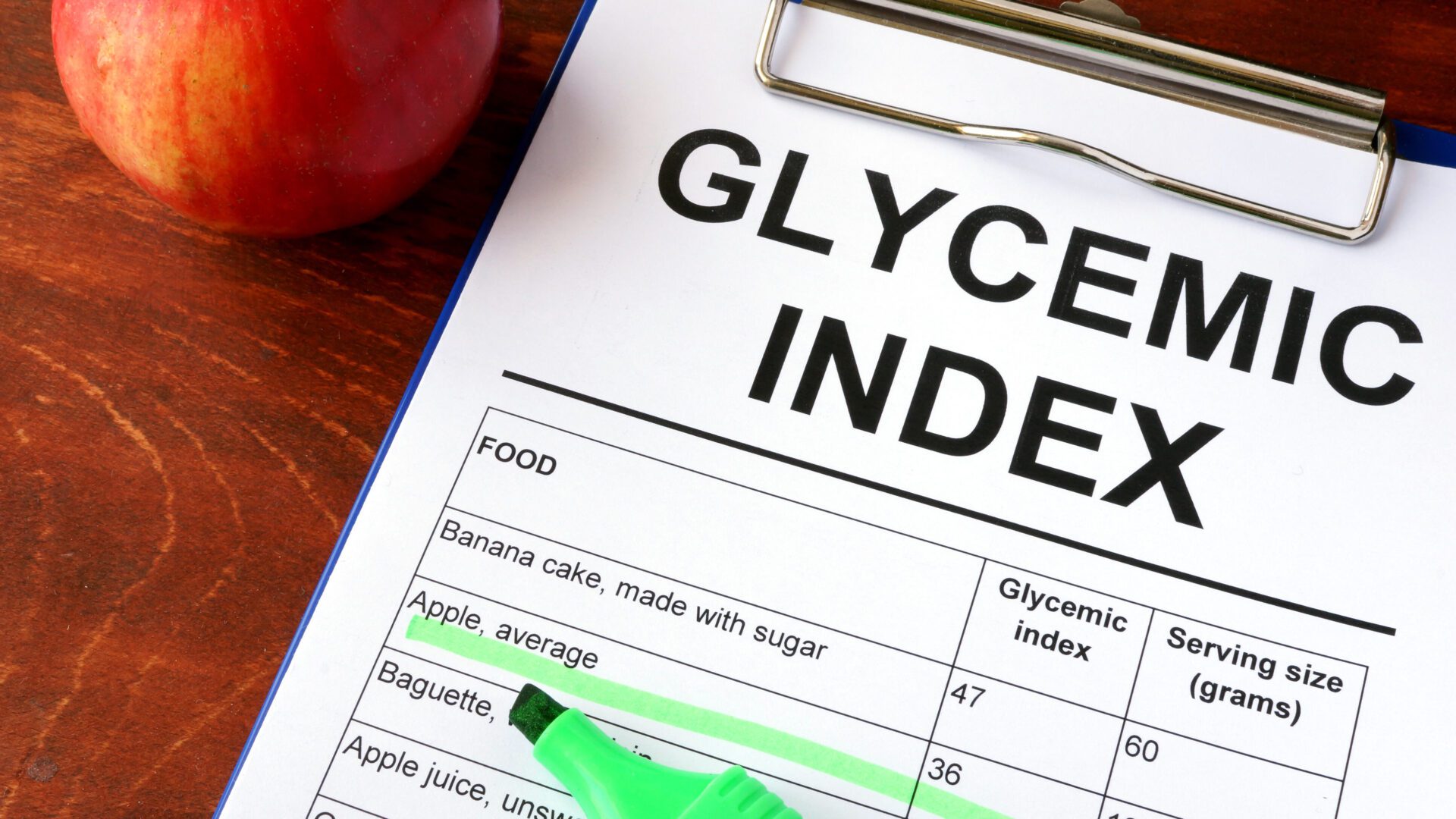
If you feel like a lot of people today are talking about the glycemic index, you’re noticing right. It is, in fact, one of the most debated concepts in modern nutrition. Many refer to it as a way to lose weight, while others ignore it because they have no idea what it actually means. So what does the glycaemic index actually represent and how can it help you?
What is the glycaemic index and how was it created
The glycemic index is a scientifically measured value that ranks foods according to how quickly they raise blood sugar levels. It involves a numerical scale from 0 to 100. The highest value represents pure glucose, which means that the higher the number, the faster the food will raise blood sugar. This value can give you a good indication of how your body functions after eating sugars. That is, why some foods make you feel full for most of the day, while others give you a quick boost but only for a short time and you immediately feel the need to eat again. Thus, the glycemic index holds the key to how people successfully lose weight as it helps control hunger.
Hunger, cravings and energy fluctuations
The problem with weight loss occurs when glycemia has significant fluctuations. If sugar levels rise very quickly, they will fall just as quickly. The body then receives a signal that it requires additional energy intake. Therefore, it is essential to maintain a stable level that prevents sudden cravings. When you eat foods with a low glycemic index for longer periods of time, you will think less about food.
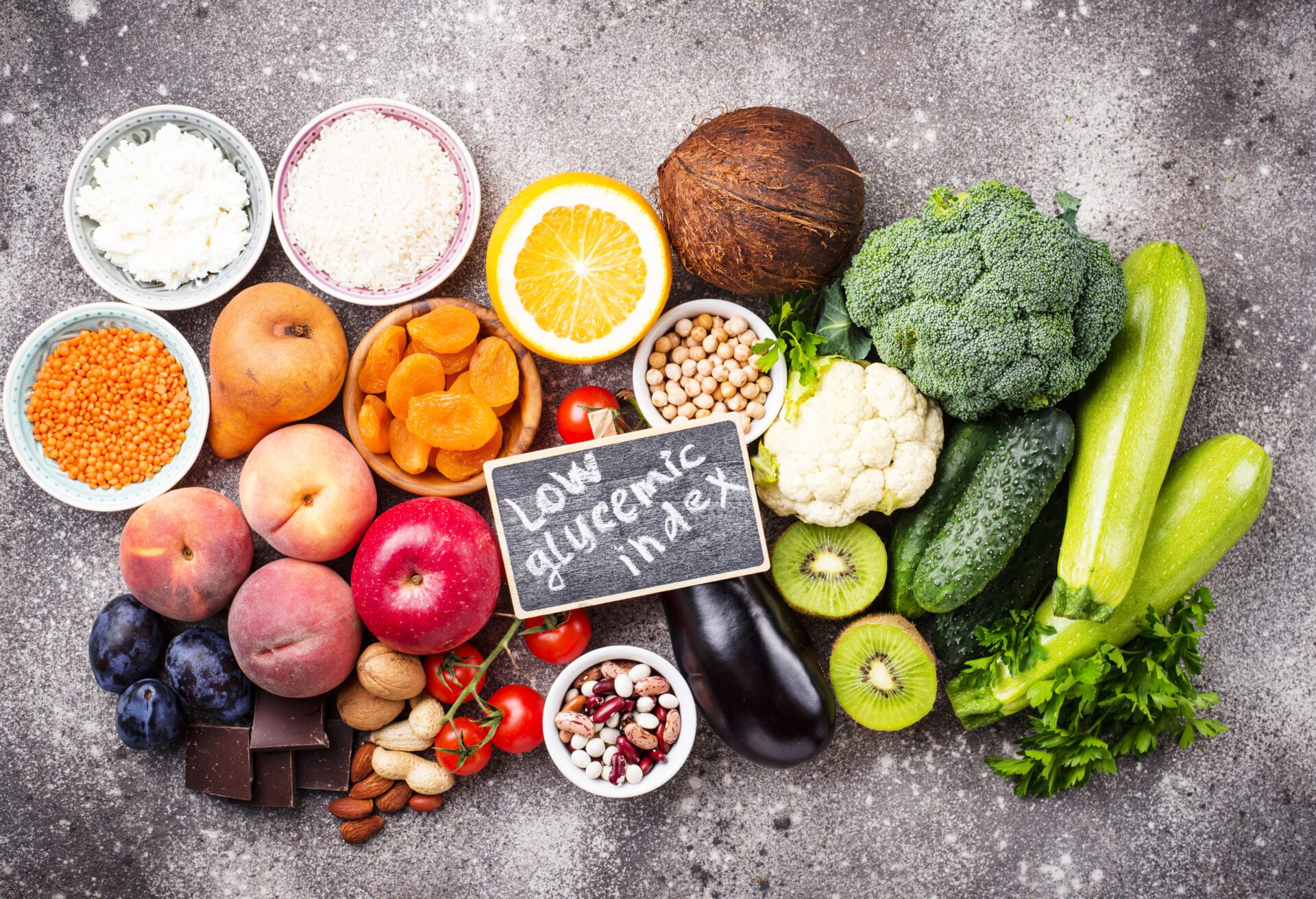 ━━ If you want to lose weight, it is important to eat foods with a low glycemic index.
( Source: yulka3ice / iStockphoto )
Insulin, the hormone that determines fat storage
If you want to lose weight effectively, your insulin levels need to be low. Insulin is the hormone responsible for glucose uptake by cells. If its level is high, it prevents fat burning. This is because the body draws energy from sugars instead of using fat stores.
Low GI foods
Thus, for proper weight loss, you need to consume foods with lower insulin levels. They contain more fiber, which slows down the absorption of carbohydrates. This makes you feel fuller for longer. These include oatmeal, legumes, quinoa, some fruits such as apples, pears and berries, as well as most vegetables and whole grain breads. They should be a staple in your diet.
High GI foods
This doesn’t mean that you should completely eliminate foods that have a higher glycemic index. It’s important to eat them in moderation and know how they affect you. This includes rolls, pasta, potatoes, biscuits, sweet pastries and more. The body digests them very quickly, lacking a feeling of satiety, which leads to overeating. If you don’t want to give them up, simply combine them with fibre, protein or healthy fats.
Why you don’t address GI, but successful ones do
People commonly rely on calorie counting for weight loss and ignore or don’t know the glycemic index. However, those who have successfully lost weight know that the path leads in this direction. You will feel satiated and full of energy, which will reduce the constant cravings that lead to overeating.


 Šárka Cvrkalová

 L. Novak



 O. Müller
