


Many people try to follow various diets throughout their lives. But it is important to remember that at each age the body needs something a little different. If you want to keep fit even after 60, you don’t need any drastic eating habits. Even a slight change in your diet can make a change for the better. It’s important to think about what you put on your menu. But you definitely don’t have to follow a strict diet and skip everything you love.
At 60, you usually don’t need a complicated weight loss plan. You don’t necessarily need to avoid all unhealthy foods and follow complicated diets. Rather, it’s about incorporating healthy foods into the diet and thinking about what the older person’s body needs. Do you want to give him strength and vitality?
Classic diets can be harmful
An older person’s body has lower calorie needs but higher nutritional requirements. Metabolism decreases and muscle mass decreases, but the need for key nutrients remains the same, often even increasing. In addition, diets that are too low in calories can lead to a deterioration in muscle strength. This, especially in old age, subsequently leads to fatigue and weakness.
Even at a younger age, diets should be adjusted so that the body does not suffer. Starving yourself unnecessarily or omitting certain nutrients from your diet may lead to weight loss, but it is never free. And at an older age, the body simply needs certain substances, and trying to lose weight after 60 is usually unfortunately associated with health problems.
How nutritional needs change after 60
Older people need more protein. These are essential for a healthy metabolism. They help maintain muscle mass and boost immunity. They also need more fiber, which increases bowel movement, stabilizes blood sugar and promotes heart health. The recommended daily intake is around 22 grams of fiber for women and 28 grams for men. Older people also have a harder time absorbing vitamin D, so they need more of it.
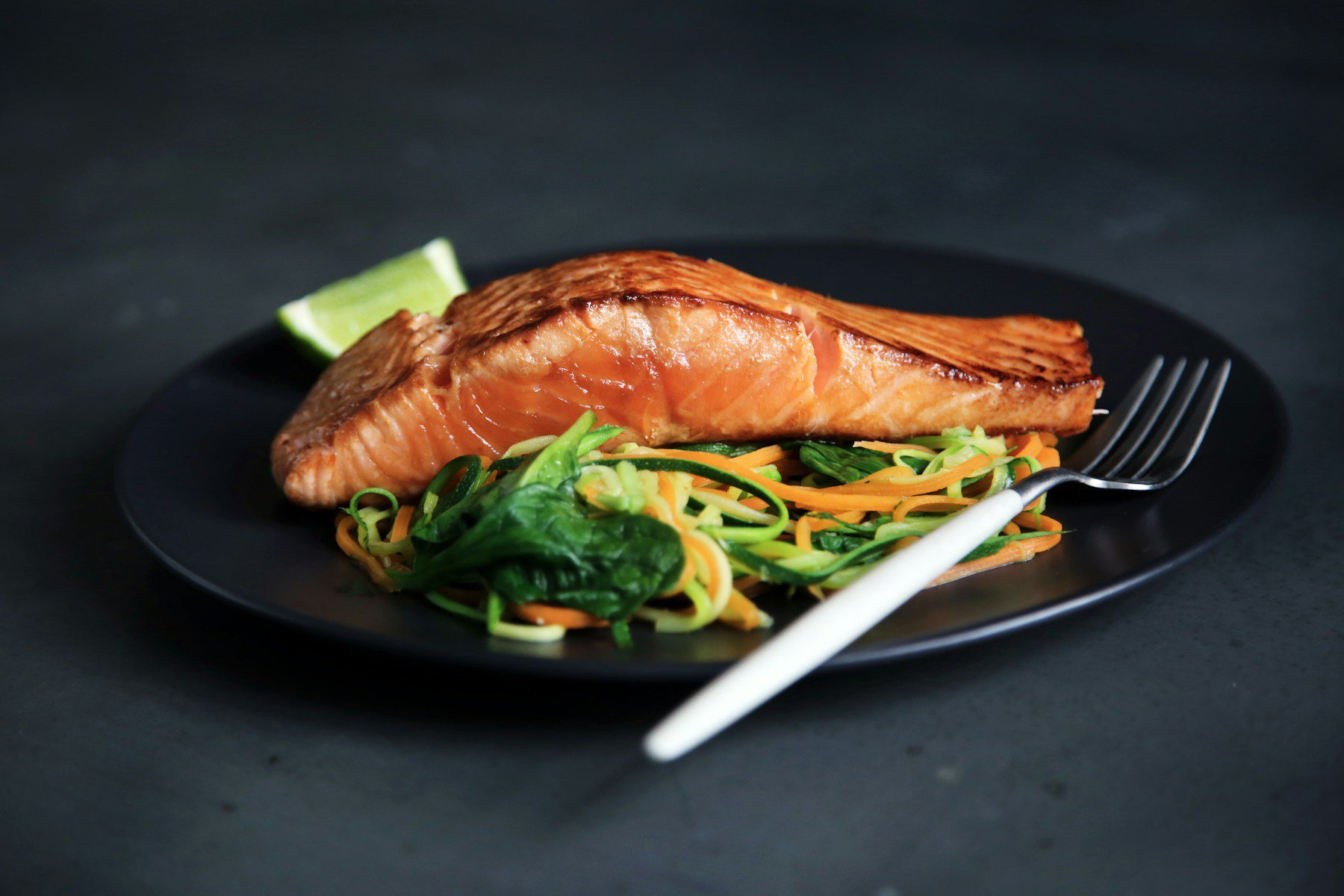 ━━ Older people should include fish and lots of fruit and vegetables in their diet.
( Source: Caroline Attwood / Unsplash+ )
After 60, omega-3 fatty acids are important to support heart and brain health. They are beneficial for reducing inflammation, but also for protecting the skin. It is therefore advisable to eat fatty fish at least three times a week, which contain plenty of this substance. Also include potassium and vitamin B12 in your diet, a minimum of 2.4 mcg/day is recommended.
Ideal diet
For people in their sixties, the so-called Mediterranean diet is often recommended. This is a diet rich in seafood, fruit and vegetables. It also includes legumes and white meats, dairy products. Studies show up to a 25% lower risk of early death with this diet.
A flexitarian diet is also suitable. This means that one omits meat from the diet, but eats fish and some seafood. Legumes, vegetables and fruits play a large role in this diet. A moderate reduction in meat and an increased proportion of plant foods has a significant effect on brain health.
In general, older people are advised to leave out ultra-processed foods, added sugars, saturated fats and salt from their diet.



 L. Novak



 O. Müller

 A. Urban