

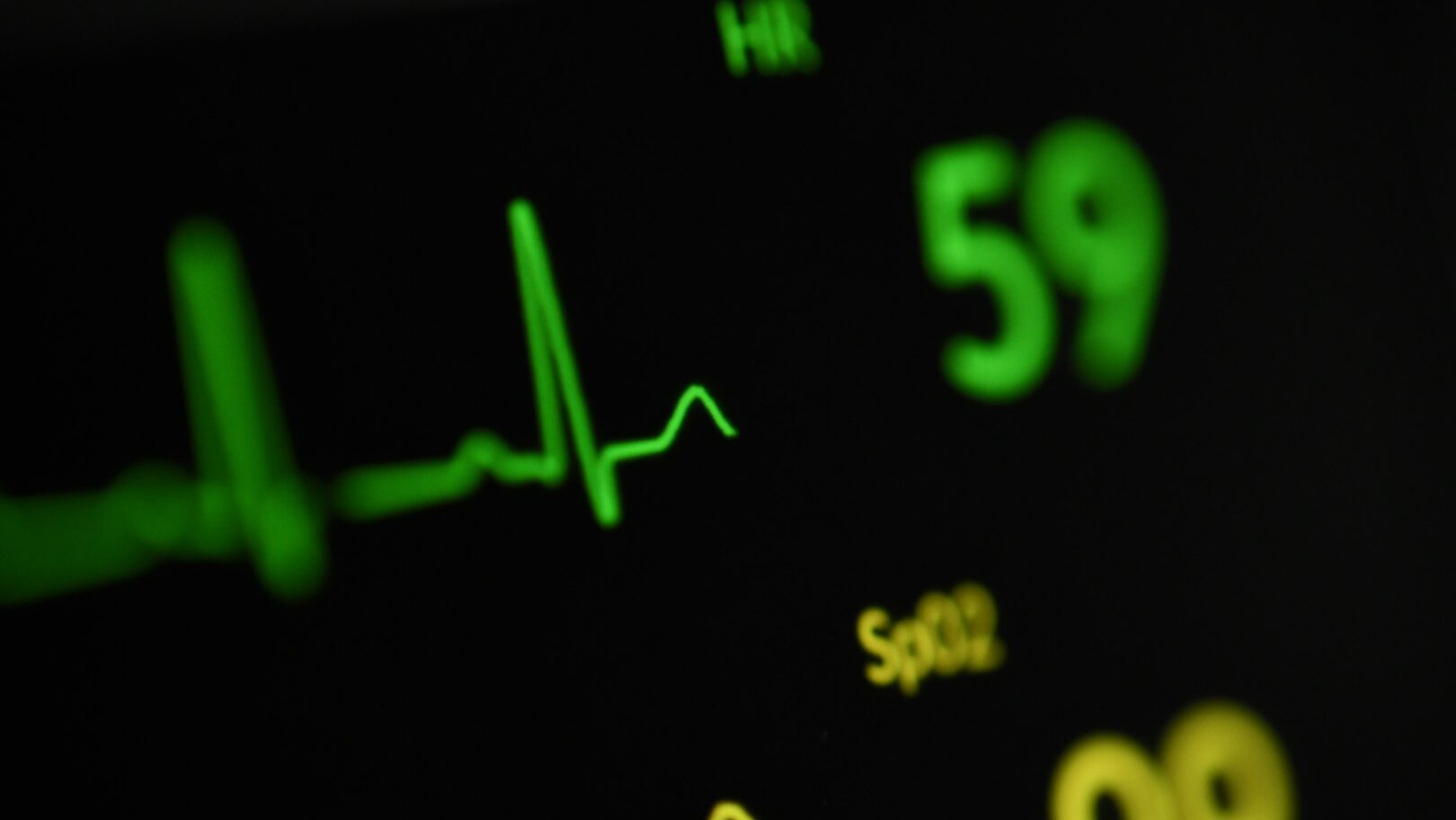
All of us have felt our pulse at some point. Just out of curiosity, we have tested on our wrists or necks how much it has increased after more exertion and how much different it is from rest. But what does this reading actually tell us? Pulse, or heart rate, is a valuable indicator of how our heart is working, how fit we are, and even what risks it may pose to our health.
If your pulse is too high, it may indicate congestion, stress or heart disease. If it’s too low, it may indicate a breakdown in regulatory mechanisms. What should be the value of our pulse? What to do if it is too low or too high? And when to see a doctor?
Definition of a healthy band
In medicine, it is commonly stated that the normal resting pulse of an adult is between 60 and 100 beats per minute (bpm). This range is based on clinical measurements during a physiologically resting state, when the body is not burdened by physical exertion or stress. However, research shows that there are risks even within this normal range.
Even within the 60-100 bpm range, a higher resting pulse is associated with worse cardiovascular outcomes. For example, heart tissue consumes more oxygen, or a person has stiffer arteries. Although official limits are given, most healthy individuals have a pulse between 55 and 85 bpm.
The takeaway from this data is that even if your pulse falls within the standard range, it’s good to keep an eye on exactly where it is: is it closer to the lower limit, in the middle, or already at the top, where the risk begins?
Risk values
If your resting pulse is consistently above 100 bpm, this is a condition known as tachycardia. This is a signal that the heart is working excessively even at rest and can place a strain on the entire cardiovascular system. Studies show that a higher resting rate is associated with a greater risk of heart disease, hypertension and other serious illnesses.
Conversely, if the pulse is too low (less than 60 bpm), we talk about bradycardia. In trained athletes, a pulse this low may be normal and even healthy (for example, 40-50 bpm) because their heart is trained for heavier loads. But if the low pulse is accompanied by symptoms such as fatigue, dizziness, fainting or feeling short of breath, it can be a big problem.
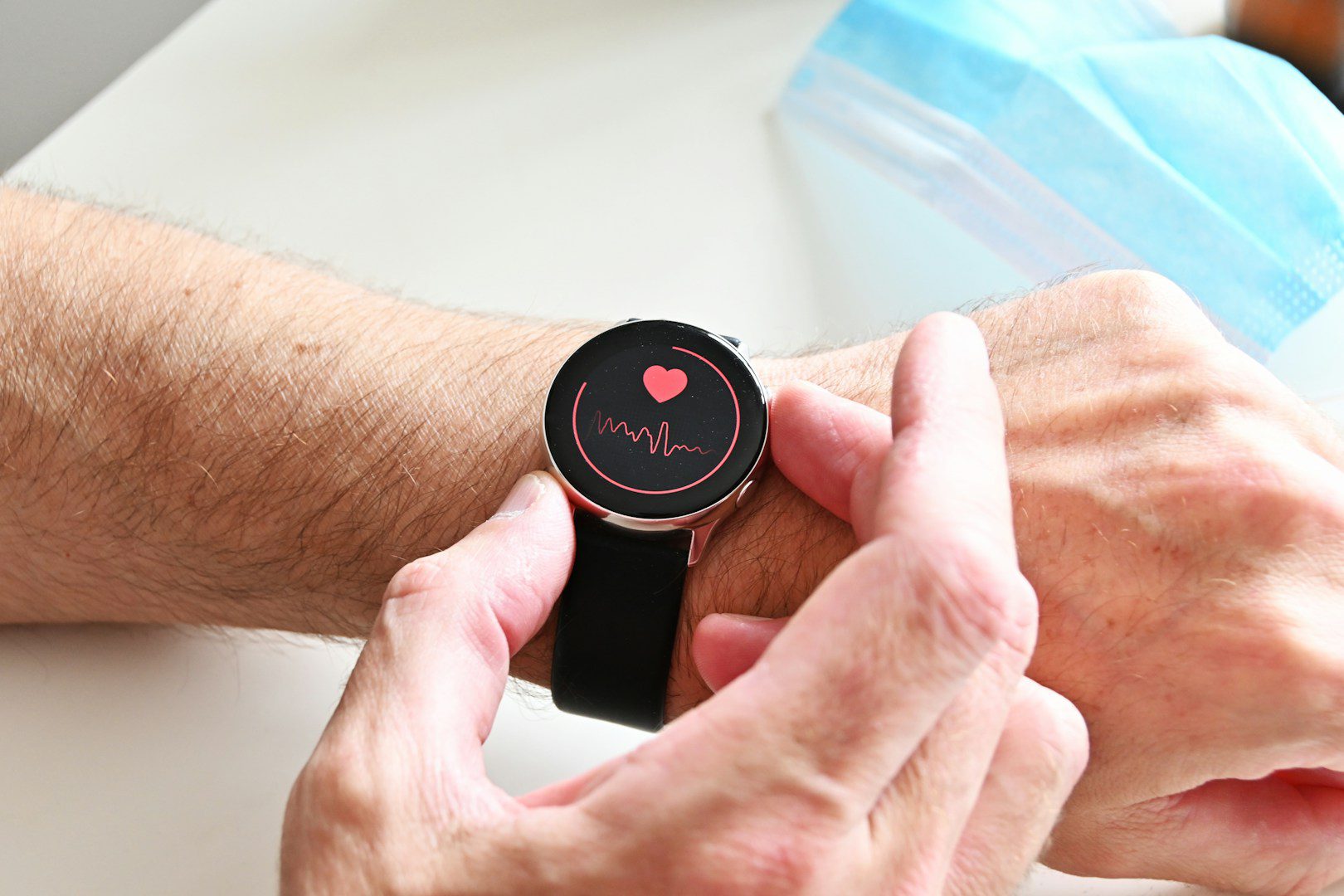 ━━ If you want to keep track of your health, it's a good idea to monitor your heart rate with a smartwatch, for example.
( Source: Nik / Unsplash+ )
Solve problems in time
If you want to keep track of your health, you need to keep regular check-ups. As a precaution, visit your doctor to have your blood pressure measured and your resting heart rate checked. Alternatively, you can measure your heart rate at home using a blood pressure monitor or by keeping an eye on your smartwatch. If you find that your pulse is heading towards the upper end of the range (or even above 100 bpm) for a long time, or that it’s low, there are a few options for dealing with it:
- Consult a doctor
- Focus on a healthy lifestyle
- Monitor your heart rate over a long period of time and observe when and by how much it rises or falls



 L. Novak



 O. Müller

 A. Urban