

Have you ever heard of one of nature’s most interesting numerical mysteries? It is the Fibonacci sequence, a mathematical series. Nowadays, the so-called Fibonacci Day is held on 23 November to celebrate the creator of this method and his fundamental contribution.
Who was Fibonacci?
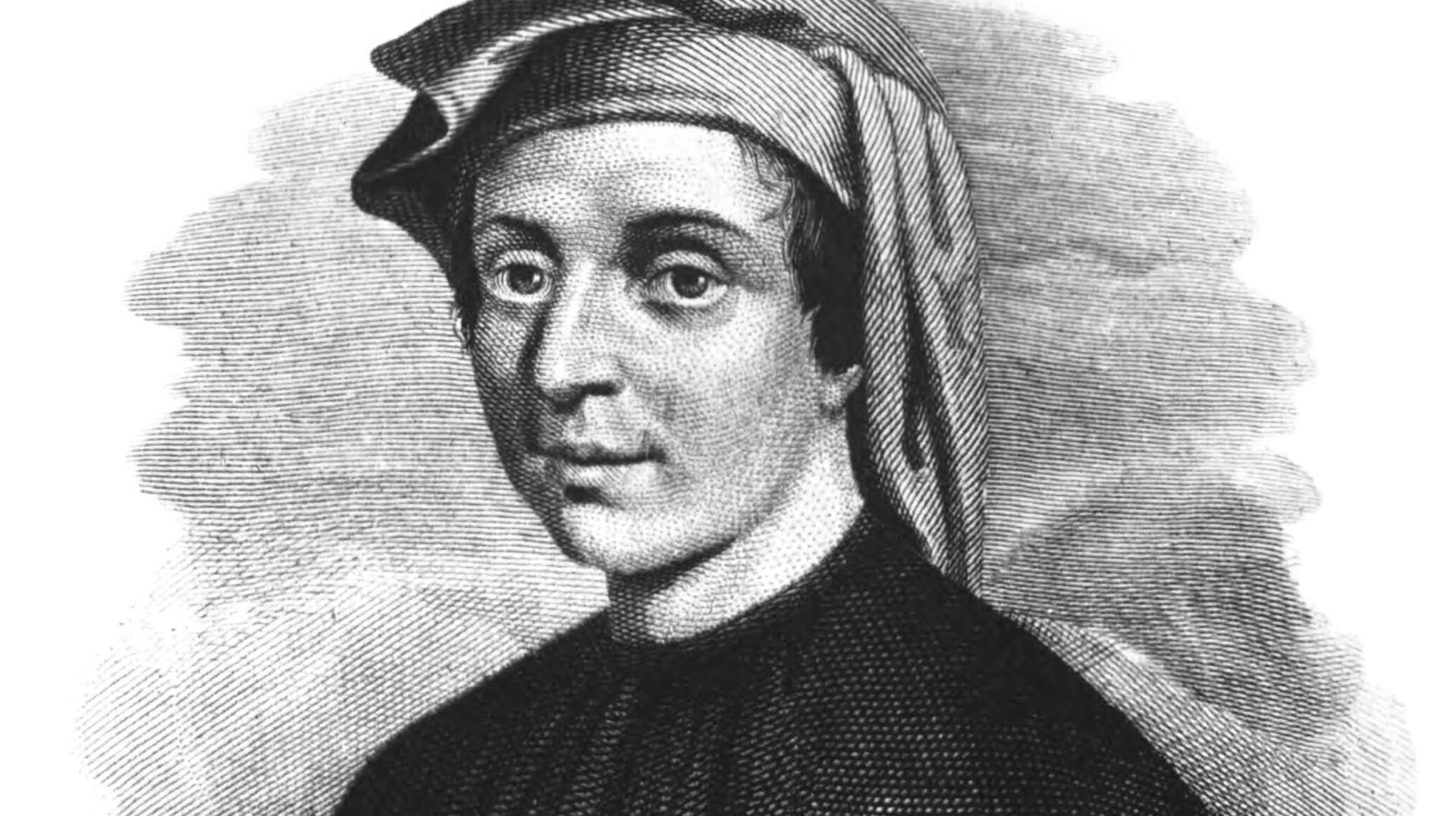
Although the name Fibonacci has been used for centuries, the mathematician was actually called Leonardo Pisano or Leonardo of Pisa. He was born around 1170 and was considered one of the most influential mathematicians of the Middle Ages. He realised that in nature and in the general environment around us there are constantly sequences that show that everything fits together. He thus invented the mathematical series described in Liber Abaci (1202), which bears his name: the Fibonacci sequence. Interestingly, you encounter it in places where you probably wouldn’t expect to find it.
What is the Fibonacci sequence?
The Fibonacci sequence is based on adding the last two numbers in a series. So a series can carry the numbers 1, 1, 2, 3, 5, 8, 13, 21, 34, 55 and so on. This is a very simple formula, however, this principle appears in e.g. computer science, architecture, design, stock trading. It is interesting to see what role the Fibonacci sequence plays in natural phenomena. You can notice it in the leaves of plants, the branches of trees, the seeds in flowers or the shells of molluscs. Because you can find the Fibonacci sequence all around you, it is called “nature’s secret code”.
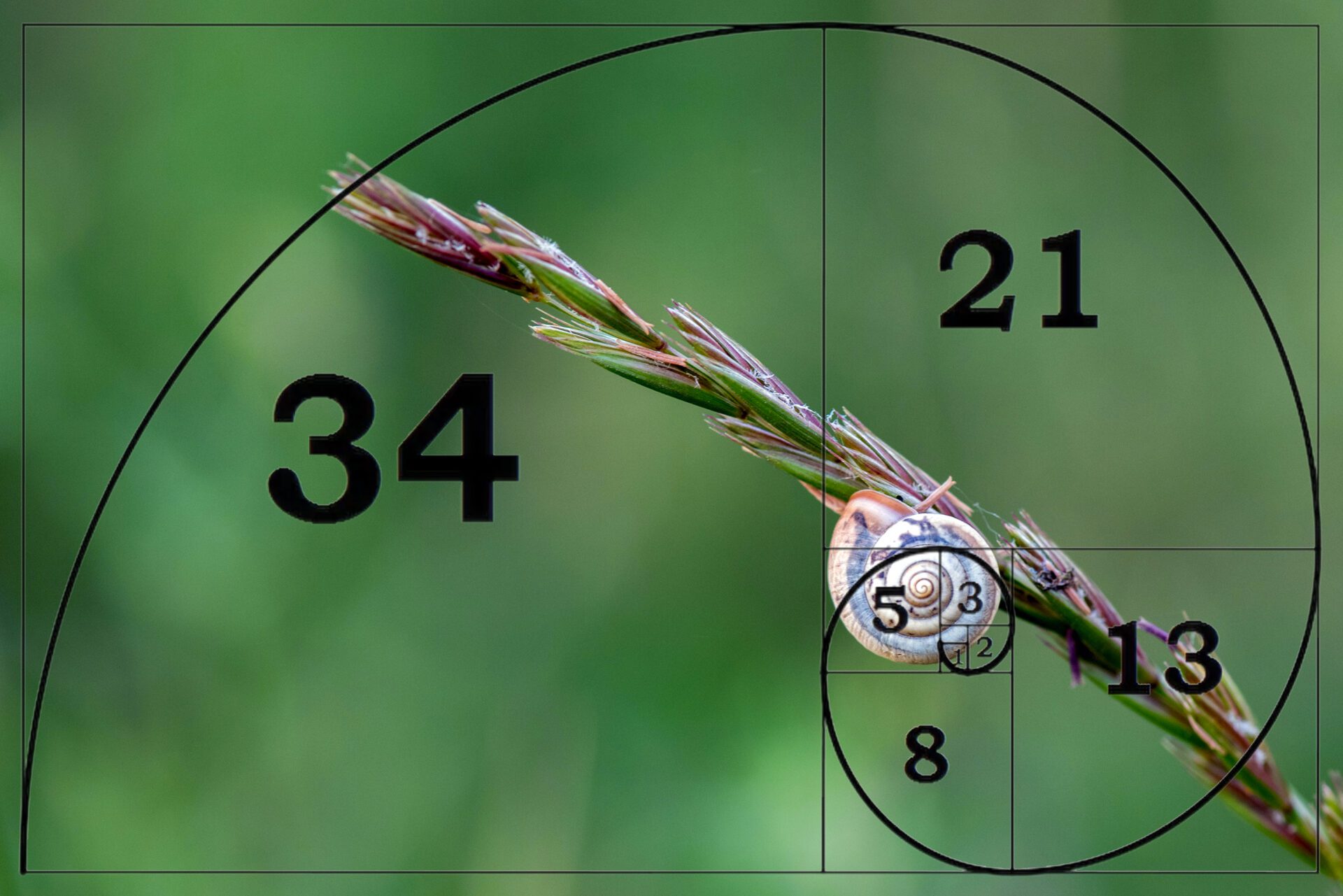 ━━ The Fibonacci sequence is commonly found in nature.
( Source: Andrea Izzotti / Shutterstock )
Beauty hidden in mathematics
The Fibonacci sequence also points to the aesthetic. It is related to the so-called golden ratio, which has a ratio of 1 : 1.618 and is considered aesthetically perfect. It appears in Renaissance painting, design, brand logos, architecture and plants. It thus points not only to mathematical precision but also to beauty.
Why is it celebrated on 23 November?
The date of 23 November, when Fibonacci Day is celebrated, is chosen deliberately. The notation of the date 11/23 represents the first numbers of the sequence, i.e. 1, 1, 2, 3. During this day, universities host math and art lectures, design and architecture competitions, spiral challenges, or workshops for children.
Fibonacci Day is important for several reasons. First of all, it raises awareness of mathematics, which is not just a boring combination of numbers and operations, but is also related to art and nature. It also greatly encourages creativity, as it permeates design and photography. Thanks to these factors, it shows that science and aesthetics are linked, even though it may not seem so at first sight.


 Šárka Cvrkalová

 L. Novak



 O. Müller
