

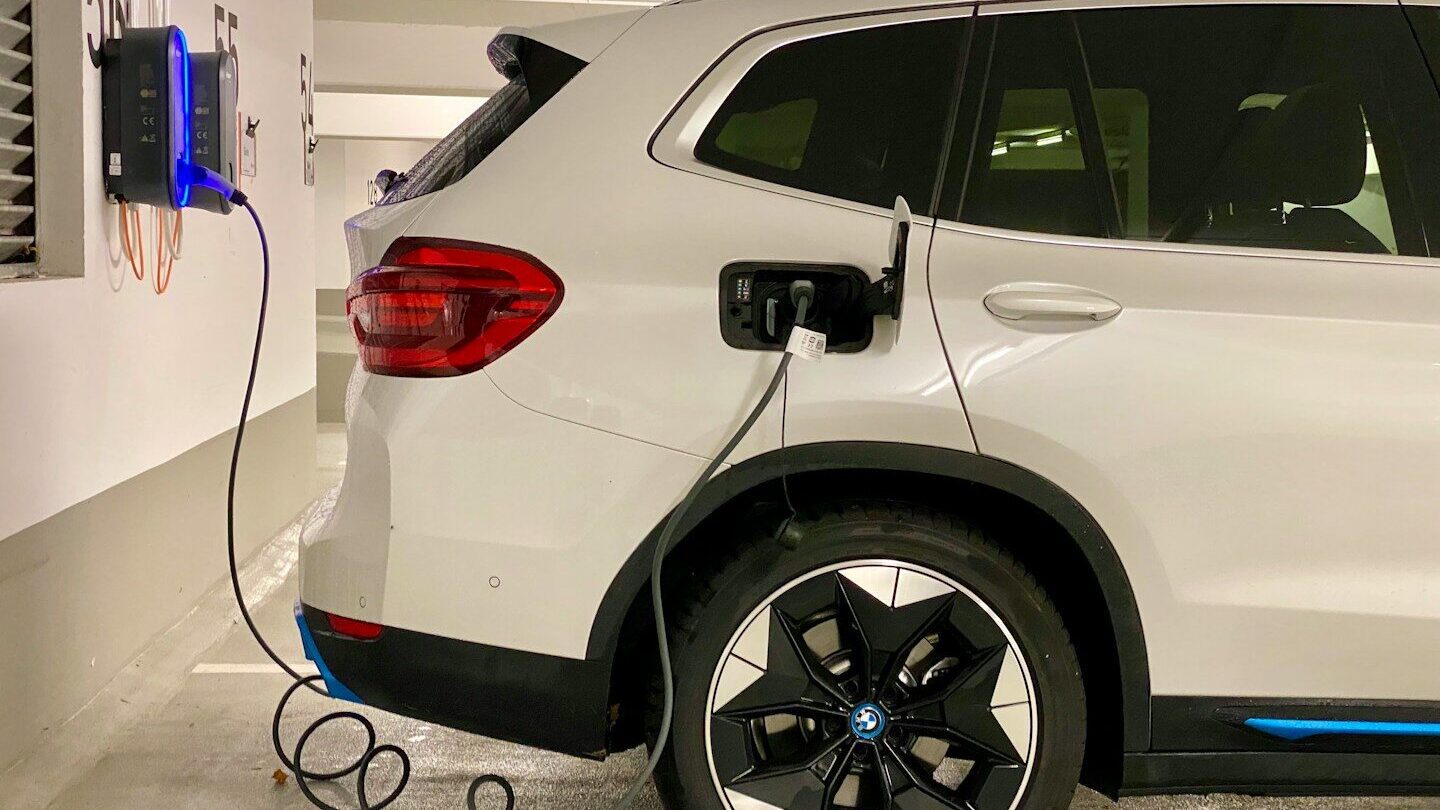
I have many supporters in my area, but also many opponents of electric cars. It is true that these cars are environmentally preferable. It’s just that their range is shorter, their purchase price is higher, and their design is often not to people’s liking. If I asked my friends if they wanted such a car, in most cases they would say no. And I’m leaning towards that opinion for now. In many countries, therefore, the authorities are doing their utmost to encourage interest in electric cars. In Germany, there has been talk for some time of subsidies for these cars, but the European Union is currently spoiling the plans somewhat.
“Electric cars are supposed to be quiet, but I find the whirring rather annoying. They are insanely dependent on infrastructure because there are so few charging stations. Besides, they are expensive. If conditions changed, I would get one, but I’m not thinking about it now.” This is not the comment of an expert, but the words of my grandfather, who is a driver by profession. However, what people think really matters a lot at the moment. Experts should focus primarily on changes that will alter those views.
Germany wants subsidies for electric cars, but
The German government is trying to encourage the switch to electric cars by subsidising them. Buyers and sellers have been waiting for the results of various negotiations for some time now, but still nothing has happened. Why? The European Union is to blame. The European Union quite logically wants to protect European cars from the influence of Asian vehicles. What does that mean?
The European Commission recently issued a proposal for a so-called Industrial Accelerator Law. This states that member states can finance electric cars, but with very strict restrictions. The vehicles to be subsidised must be of European origin. However, this not only means that the car must be made in Europe, but also that its key components must have nothing to do with China.
Which is a problem. A large number of electric cars on the European market are directly Chinese or come from other non-European countries. And when they are European, they often use batteries from Asia. Most EVs are not European, the biggest players in the market are American Tesla and Chinese BYD and other Asian brands.
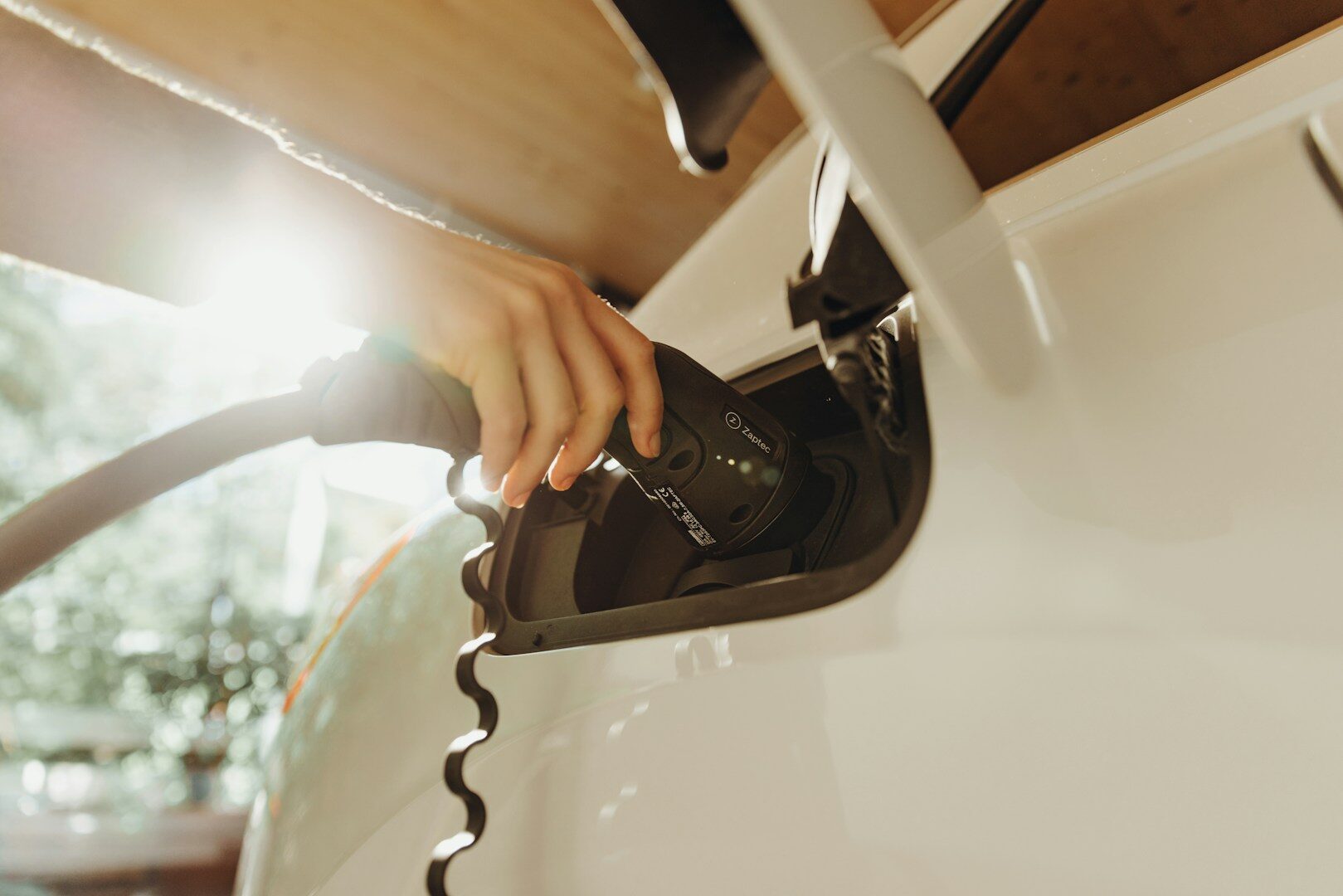 ━━ The EU wants to protect its industry from the Asian one. So there will probably be subsidies, but only for some cars.
( Source: Zaptec / Unsplash+ )
The automotive industry is divided into two camps
Unfortunately, the EU has set the rules quite clearly. It is not yet clear what will happen with the subsidies for electric cars in Germany. Until recently, it was still debatable what was a European car and what was not. But Brussels is pushing the boundaries more and more. At the moment, the fact that some of the battery screws are from China also seems to matter.
In future, therefore, an electric car will only be eligible for subsidies if it is European right down to the chemical structure of the battery cells themselves. According to some experts, this makes sense because the EU is just trying to protect the industry. On the other hand, however, these authorities should think about what the switch to electric cars means for the ecology as a whole. And that will only happen if more people buy cars. The automotive experts are now divided into two camps.



 L. Novak



 O. Müller

 A. Urban