


When you say sour milk, most people just think of the smell. Usually, we immediately pour it down the sink or the toilet, with absolutely no thought that there might be any other use for such milk. Where many people see waste, scientists and fashion designers see treasure. Sour milk can be made into textiles.
Strange as it may sound, milk fibres can actually be made into clothing. And not just any clothes. Casein, a substance made from milk, is a soft and organic material that is usually considered a luxury material for the finest clothing.
How does milk become fibre?
Casein is the key to the whole process. It is a protein that is separated from sour or otherwise bad and unmarketable milk. This is then dried, then ground into a fine powder and used to create fibres using special technology, explains Sewport. The fibres are then spun into yarn. This can either be woven or, like cotton, knitted.
Casein textiles were actually produced in the 1930s and 1940s. So the concept is actually not new at all. However, it is only modern technology that has made it possible to produce soft and high-quality clothing that has taken this type of fibre to a high level.
Advantages and disadvantages
First and foremost, casein clothing is eco-friendly because it is created from waste materials. Milk that would otherwise be thrown away can be used to create something truly luxurious. Millions of litres of milk are thrown away around the world every year and this technology gives it a new meaning.
Clothing made from casein fibres is next:
- Hypoallergenic and soft: The fabric is pleasant to the touch, most people describe it as very similar to silk.
- Antibacterial and breathable: Milk proteins naturally inhibit the growth of bacteria, so clothes smell less. In addition, it wicks away moisture.
- Luxurious: Clothes made from these fibres look great. In the fashion world, it makes dresses, scarves or T-shirts with an elegant sheen.
- Health benefits: Some studies report that the fabric even moisturizes the skin.
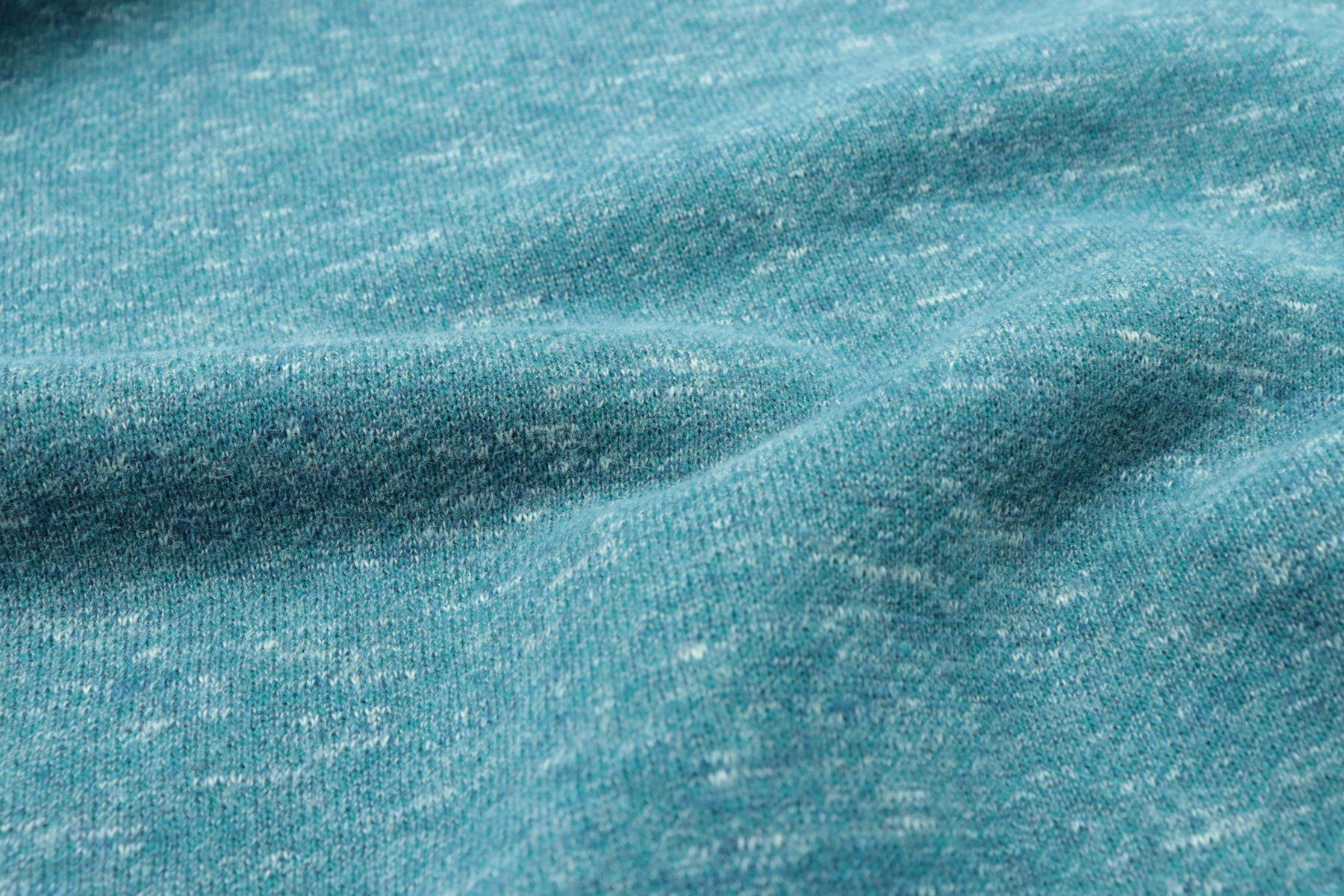 ━━ The sour milk can be converted into fibres, which are used to make fabric and then clothes.
( Source: Divazus Fabric Store / Unsplash+ )
As for the disadvantages, there are not so many. Although casein is quite expensive, it is similar to silk, which is more expensive. So you could say that it is actually a cheaper substitute for this very luxurious material.
- Prone to shrinkage: Like linen or cotton, this material is a bit high maintenance. It needs to be ironed after each wash, and it is very easy to crease.
- Low awareness: Unfortunately, many people don’t even know that there is such a thing as clothes made of milk.
- Durability: although modern technology has extended the lifespan of casein clothes, they still don’t last as long as pieces made from conventional materials.
Nowadays, clothes made from milk fibre are mainly made in Europe. The best known brands working with this material are probably in Germany and Italy, but gradually awareness is spreading to other countries. Designers have already tried out pieces made from milk fibre at fashion shows in Milan and Berlin.



 L. Novak



 O. Müller

 A. Urban