

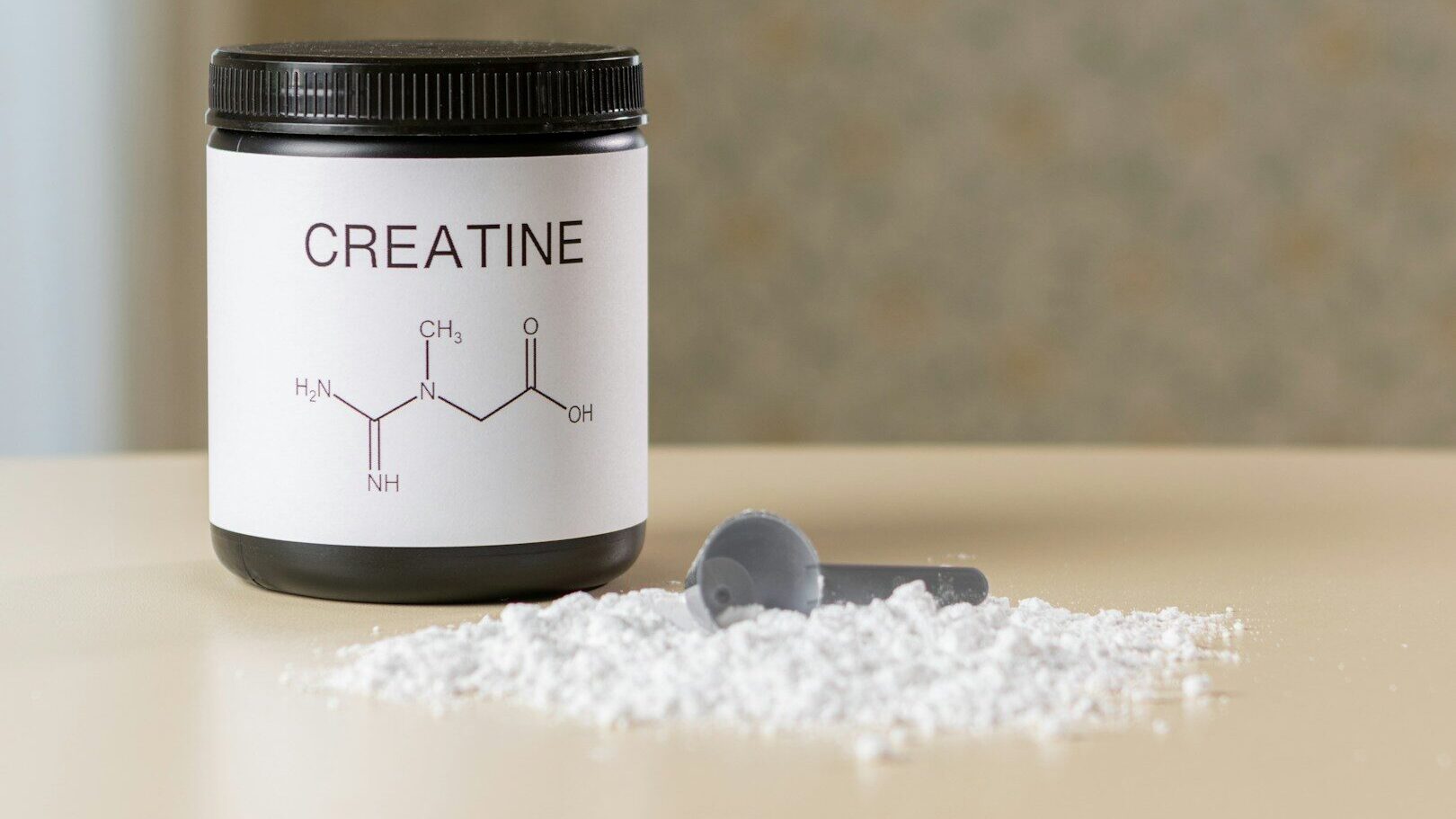
The younger generation is becoming increasingly obsessed with healthy lifestyles. And you can see it on social media. Whereas previously, advertisements for healthy products appeared mainly on TV, today the internet is full of them. I hear about creatine almost daily because influencers use it, it appears in many short videos that I skip daily, but my friends are also starting to recommend it. Is it really as miraculous a substance as it seems?
Creatine is a nitrogenous organic compound that is naturally found in the human body, primarily in the muscles. Formed from amino acids, it is involved in the rapid restoration of cellular energy. That is why it plays an important role in short-term intense muscle activity. I have several friends who are obsessed with exercise. However, none of them would go to the gym without this dietary supplement. Until recently, I thought that it was something that one takes primarily naturally from the diet.
As a dietary supplement, it can benefit anyone
Creatine occurs naturally mainly in foods of animal origin. You can find it in meat, mostly in pork and beef, but it is also abundant in fish and chicken. However, it is also sold as a dietary supplement. However, the body can partially make creatine itself in the liver, kidneys and pancreas. But if you exercise regularly, it is a good idea to take in more of it.
Creatine increases the amount of phosphocreatine in the muscles, which helps to quickly restore cellular energy. This allows muscles to work longer and at a higher intensity during short, intense activity. “It simply gives your muscles a little more energy so you can train a little harder,” explains Canadian physiologist Scott Forbes. Creatine is no longer just for professional bodybuilders, it’s simply suitable for anyone who exercises a little.
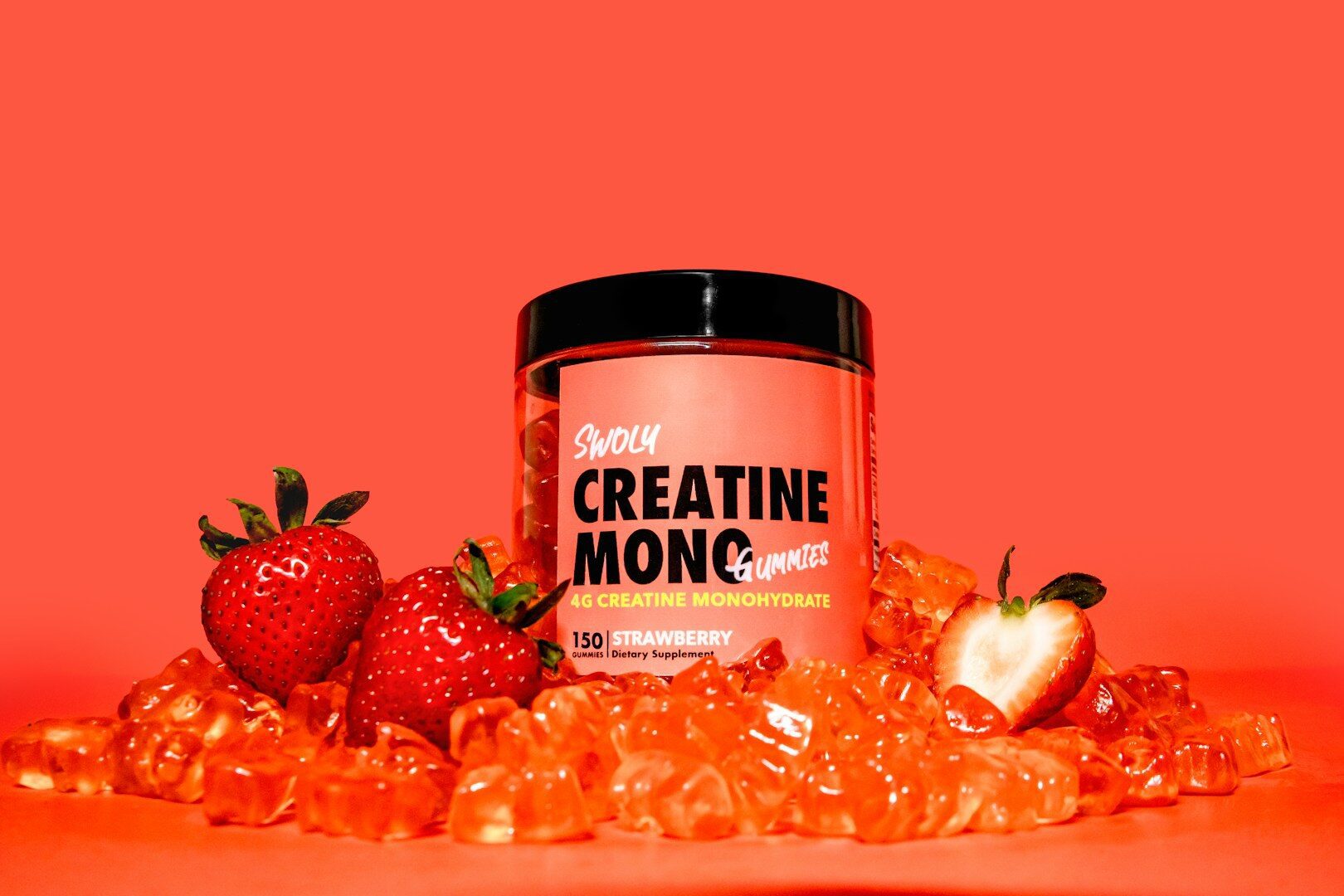 ━━ Creatine is not just for professional bodybuilders. Its use can benefit almost everyone. But you should also beware of the risks.
( Source: SWOLY Supplements / Unsplash+ )
It is usually quite safe
Since creatine is a substance we have plenty of in our bodies, it’s a fairly well researched topic. Among other things, studies confirm that taking creatine not only benefits muscles, but also the human brain. In fact, the substance can boost cognitive function, especially in times of stress or fatigue. Although it has been rumoured to cause bloating or weight gain, experts refute this.
For most healthy people, creatine is considered a safe supplement when taken in recommended doses (usually around 5 grams per day). But in some cases, you should be careful about taking it.
- If you have liver problems
- If you have kidney problems
- If you are taking medicines that burden the internal organs
- In pregnancy
Personally, I have not used creatine so far. But since I’ve been doing some strength training lately and trying to work on my physique, it probably wouldn’t be a bad idea to test its effects in person. At least from the recommendations of my friends, I’m sure it can’t hurt anything. So why not give it a try?



 L. Novak



 O. Müller

 A. Urban