

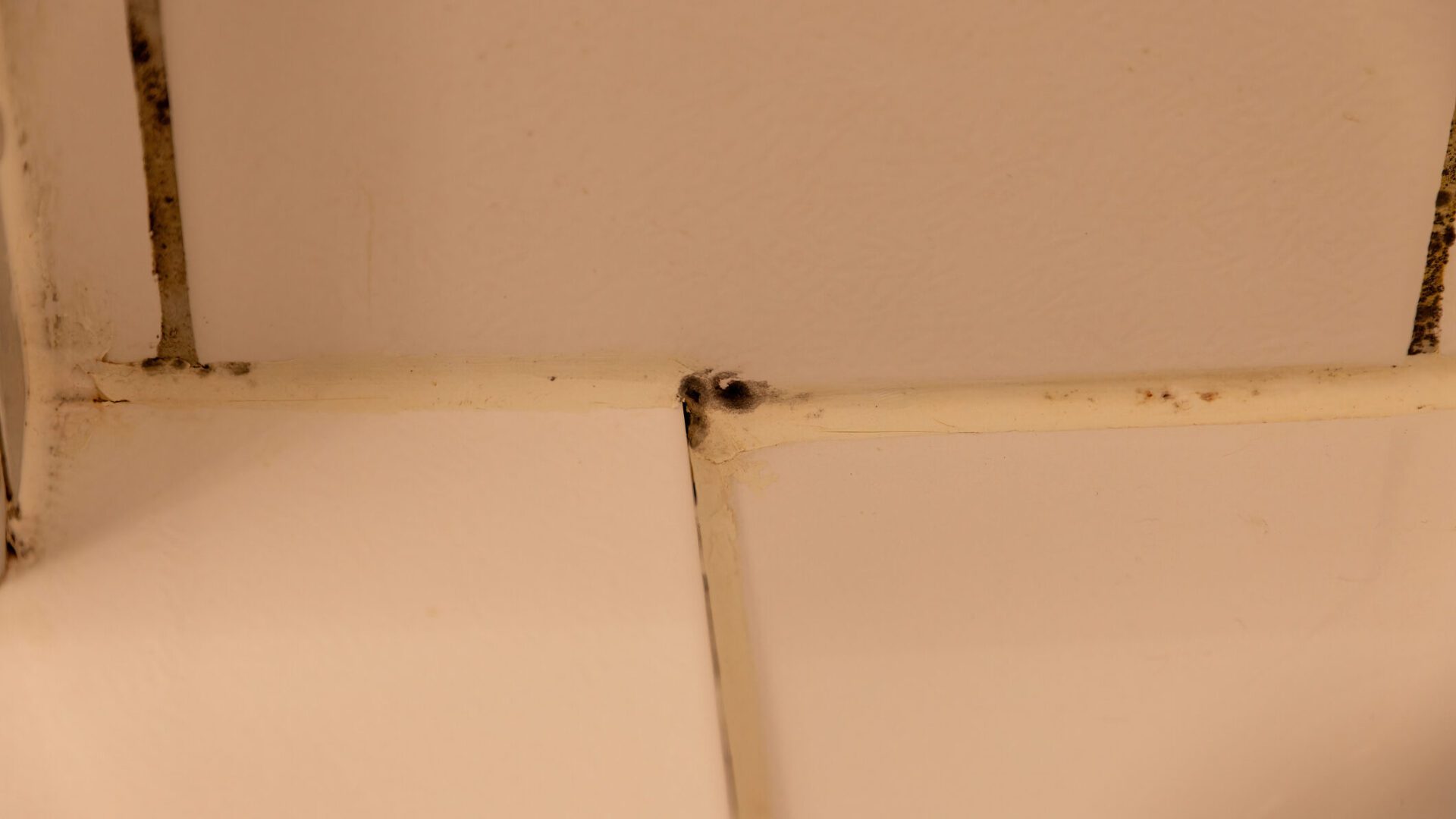
The joints between the tiles are often a neglected part of the bathroom. Yet they are often the main source of problems in the home: moisture stands in them, water seeps out of them further into the structure and, most importantly, the joints provide an ideal environment for the growth of mould, bacteria and various fungi. The result can be not only an aesthetically unsightly bathroom with black or yellow maps, but also a health risk or slow, subtle deterioration of walls and tiles.
Fortunately, it often only takes an afternoon and the right procedure to tame the joints and keep them clean for months. Why is the joint situation so serious? How do you clean them effectively and permanently, and how do you ensure the problem doesn’t come back? We provide answers to all these questions.
Why are the joints in your bathroom a willing nest of problems?
Joints between tiles, especially where the bathroom is often wet, are dangerously tricky. And for several reasons:
- They’re porous: Ordinary cement grout soaks up moisture, which evaporates slowly from the tiles after a shower or bath. If the joints aren’t regularly sealed and dried, water will soak in and stay inside.
- High humidity + organic residues: the bathroom environment creates ideal conditions for mould and bacteria. Soap residues, hair, grease or even tiny skin particles stick in these joints and create food for microbes.
The specific risks if the joints are neglected are unpleasant. There are possible health consequences. Mould can release spores and chemicals that promote allergies, eczema, respiratory problems or eye irritation. In addition, structural damage also occurs. If water penetrates behind the tiles, the adhesive can gradually erode, tiles can fall, soaking walls or timber structures, resulting in the need for costly repairs.
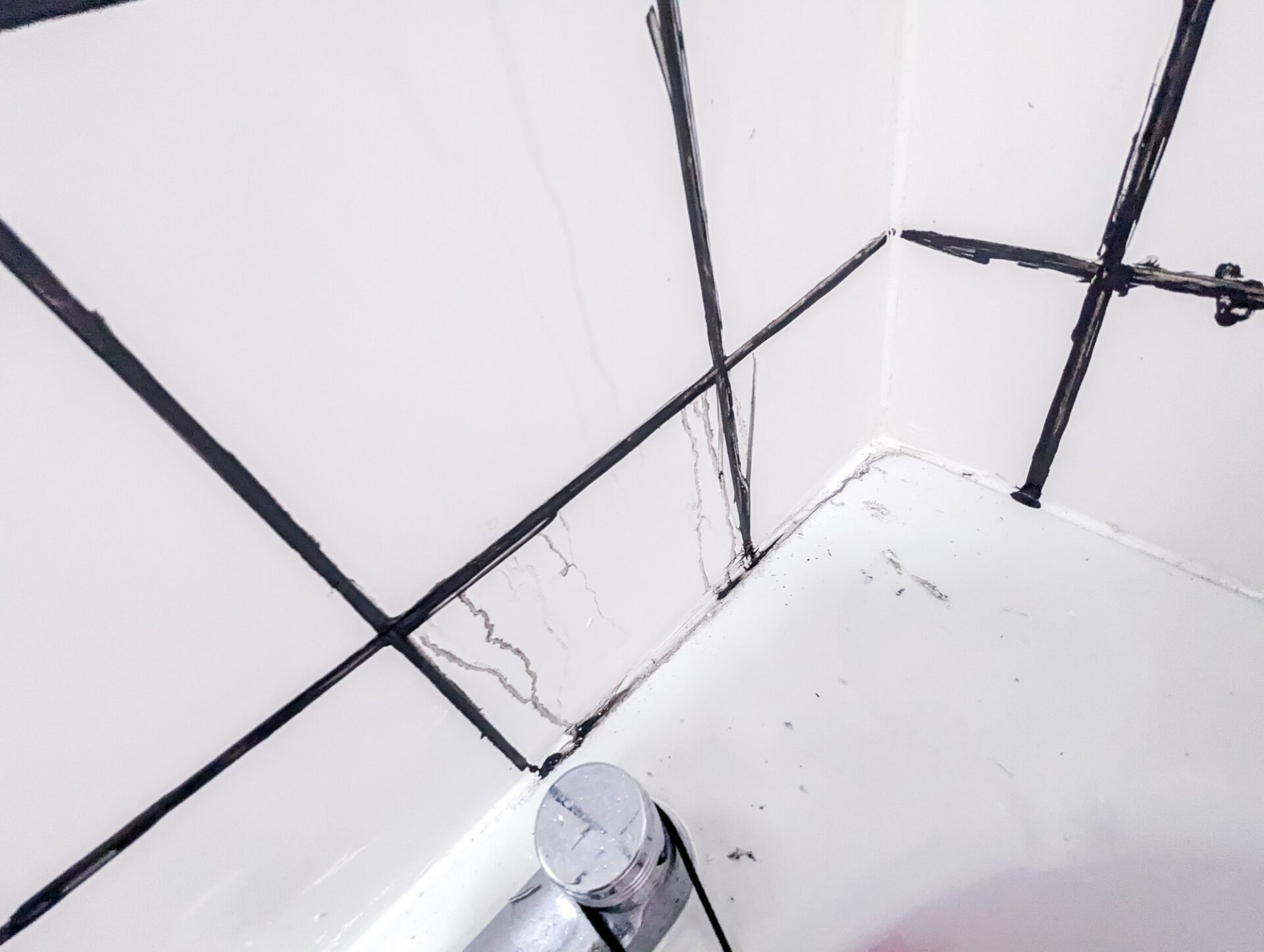 ━━ Black joints in the bathroom are not just an aesthetic problem. They can also bring a whole host of bacteria into your home.
( Source: NORRIE3699 / iStockphoto )
Fast and efficient cleaning in one afternoon
The good news is that if you go about it methodically, you can get it done in an afternoon. And that’s without expensive professional services. Deep clean your joints in one afternoon.
- Use a suitable mould cleaner or a mixture of home remedies. For example, a paste of baking soda and hydrogen peroxide works well. This method is more effective than regular cleaner or ordinary soap , according to many maintenance guides.
- Scrub the joints with a hard, preferably nylon brush (not a metal one, which can scratch the tiles). Then rinse them well and let them dry thoroughly.
Often it is necessary to reseal the bathroom, or to re-grout the space between the tiles. If the joints are not completely free of mould or are older, leaky or cracked, it is recommended to remove the grout and rejuvenate the joints. This is often the only way to get rid of mold deep in a porous joint. The bathroom will then look like new and be completely safe.
Prevention that only takes a few minutes a week
What you’ve cleaned and repaired is just the beginning. In order to maintain clean joints long term, a few simple habits are needed:
- Regularly drying and venting your bathroom: after each shower or bath, use a squeegee or tile towel to remove excess water, and if you can, turn on a fan or open a window. This will significantly reduce the humidity in the bathroom.
- Regular cleaning: even if the joints are new, lightly recoat the bathroom surfaces once a week, and once a month do a more thorough cleaning of the joints with a brush. These practices prevent the build-up of soap, grease, water and dust, the typical nutrients for mold.
- Sealant inspection and maintenance: grout sealant is not forever. If the sealant wears out, reapply it. According to experts, it is advisable to check the joints and sealant at least once a year, or more often if the bathroom is used heavily.



 L. Novak



 O. Müller

 A. Urban