


Not a day goes by that I don’t hear someone complaining about pensions. Whether it’s my grandmother, a random lady at the bus stop, or one of my peers worrying about their future. Yes, the Czech Republic is literally cutting back on butter, while other countries are better off. On the other hand, there are countries where pensioners are even a little worse off. I would like to say one thing to all those around me who are complaining: Be glad you do not live in Poland.
The average monthly pension in the Czech Republic is between CZK 20 700 and 21 000. In reality, however, many of the people I personally have around me do not reach this amount. And even those who do manage to do so save on practically everything they can. It is just that in Poland, the amount that the average elderly person receives is even considerably lower.
The Polish pension
The average Polish pension is 2 610 Polish zlotys a month, or about 15 000 crowns. Although Poland has social bonuses known as 13th and 14th pensions, which are allowances that help seniors get money each year over and above the standard pension, many people still struggle with lack of funds. According to ZUS data, in 2025 some pensioners will receive even just the minimum pension of around PLN 1,878.91 (just under CZK 10,000).
“Life is getting more expensive every day. Food and rent are getting more expensive. I’m lucky that my husband and I can live on two pensions; I couldn’t manage on my own. And unfortunately we are spending more and more on medicines,” seventy-seven-year-old Anna from Wrocław told Polish media. In general, people in the country are worried that their savings and future pension will not be enough to live without a job.
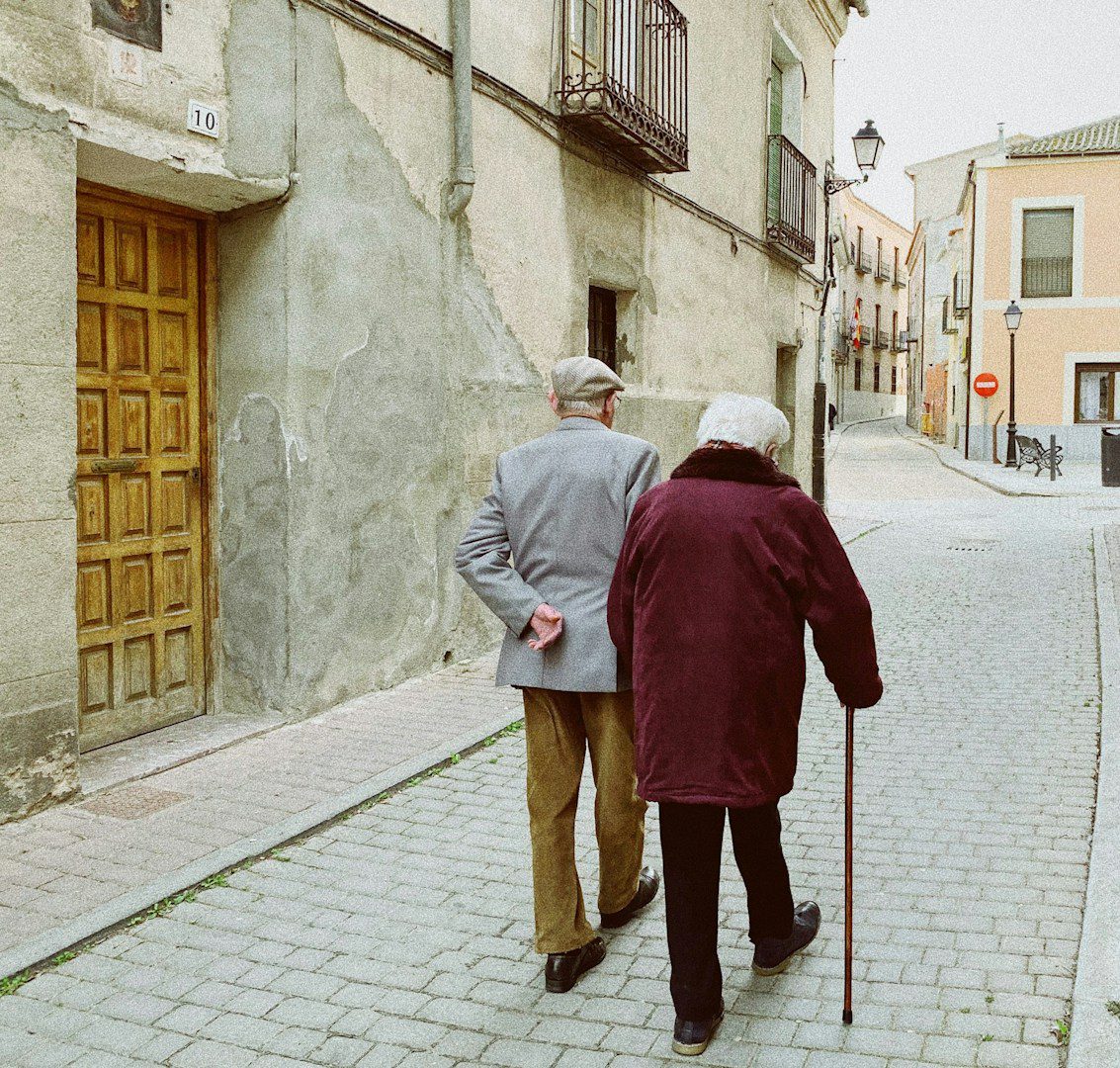 ━━ At retirement age, people in some countries can afford more than in others. Who is best off?
( Source: Wsn JAN / Unsplash+ )
The Germans have nothing to complain about
Germany has a pay-as-you-go pension system, where employees and employers jointly contribute to a state fund. The system there assumes that the pension will be about 48% of the average wage, which is why pensions there are often as high as €1,769 a month (about 44,000 crowns).
Although the cost of living in Germany tends to be higher in general and, for example, rent, food and utilities cost more, the larger absolute amount usually gives German seniors more budget for leisure items. So while in the Czech Republic we save on butter, German pensioners travel the world. But it could still be worse, the Poles know this.



 L. Novak



 O. Müller

 A. Urban