

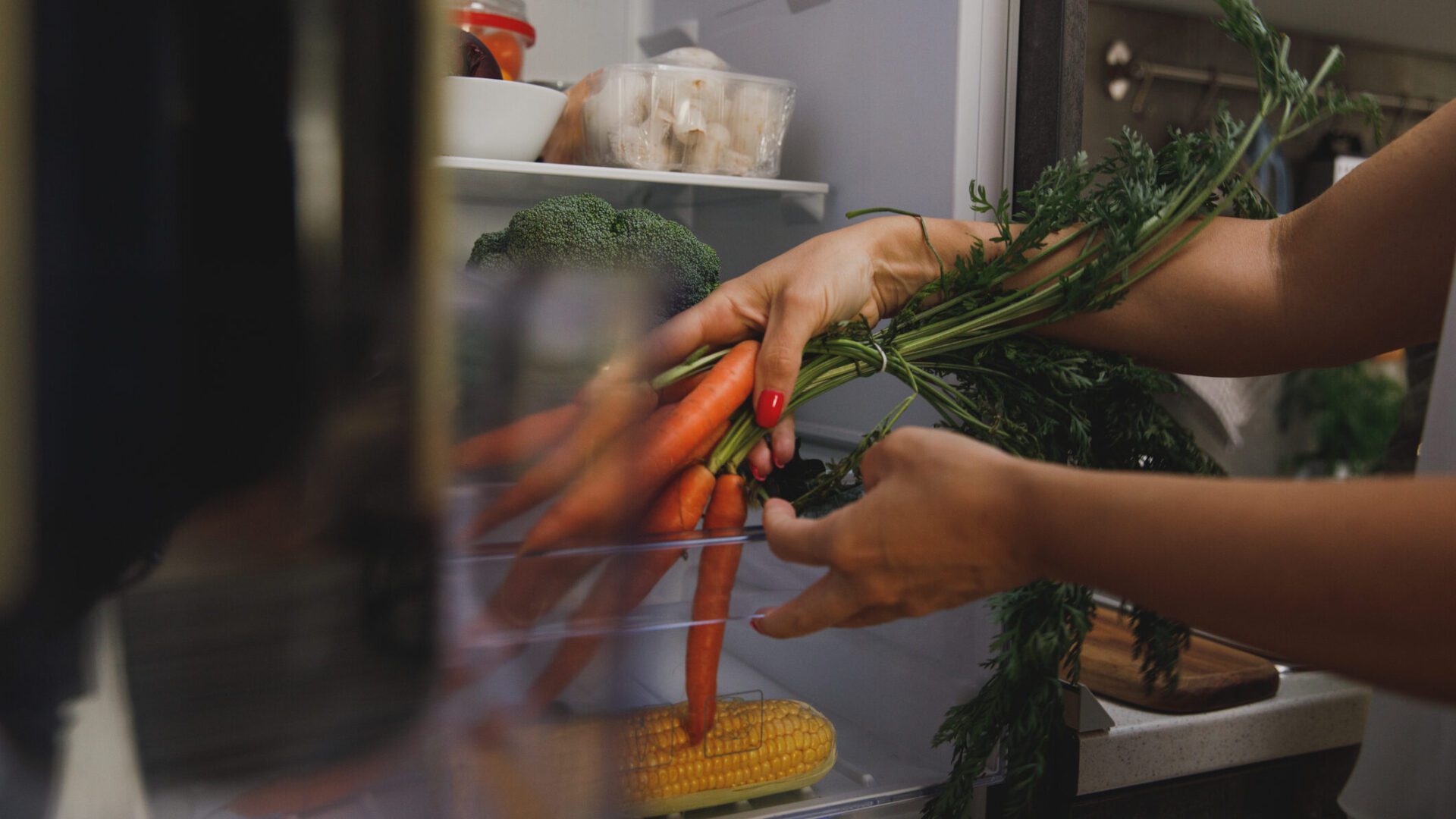
Winter is often a golden season for root vegetables. Some varieties can be harvested just before, but carrots, celery and parsley need to be stored so that they last as long as possible at full strength. In order to keep them tasty, juicy and healthy, the right storage conditions must be observed. Poor temperature, humidity or mechanical damage can lead to mould or rot.
Studies show that up to 20% of stored vegetables can be lost in just a few months if conditions are not right. This is mainly due to fungal or bacterial diseases. So how to store root vegetables ideally, how to prevent mould and what can be done to keep food fresh and usable for a long time?
Selecting and preparing the harvest
When harvesting root vegetables for winter storage, it is crucial to pay attention to both the varieties and the quality of the harvested pieces. According to the RHS, for both carrots and celery it is very important that the harvested pieces are healthy. If you notice even the slightest imperfections, it is best to use them immediately as they can otherwise contaminate healthy vegetables during storage.
When harvesting, it is advisable to remove the green shoots and allow the roots to dry out slowly. If you need to store pieces with any damage, separate them from the others. They will last a few days too, but they certainly won’t stay healthy for weeks.
Ideal storage conditions
Therefore, for vegetables to last through the winter without significant deterioration, you need to create an environment with conditions suitable for preserving them. Numerous sources state that the best environment for carrots, celery and parsley is a temperature of around 0 °C to 4 °C and a very high relative humidity, ideally around 90 %.
Research by the Norwegian OPTIROOT project shows that even a small variation in the first two weeks of storage will significantly affect the quality of the roots. Increased storage temperatures can also harm fresh plants and shorten their life span by many weeks. There are also recommendations that vegetables can be interspersed with dry clean sand or wet or moist sand in boxes to minimise drying out and also to reduce the build-up of harmful micro-organisms.
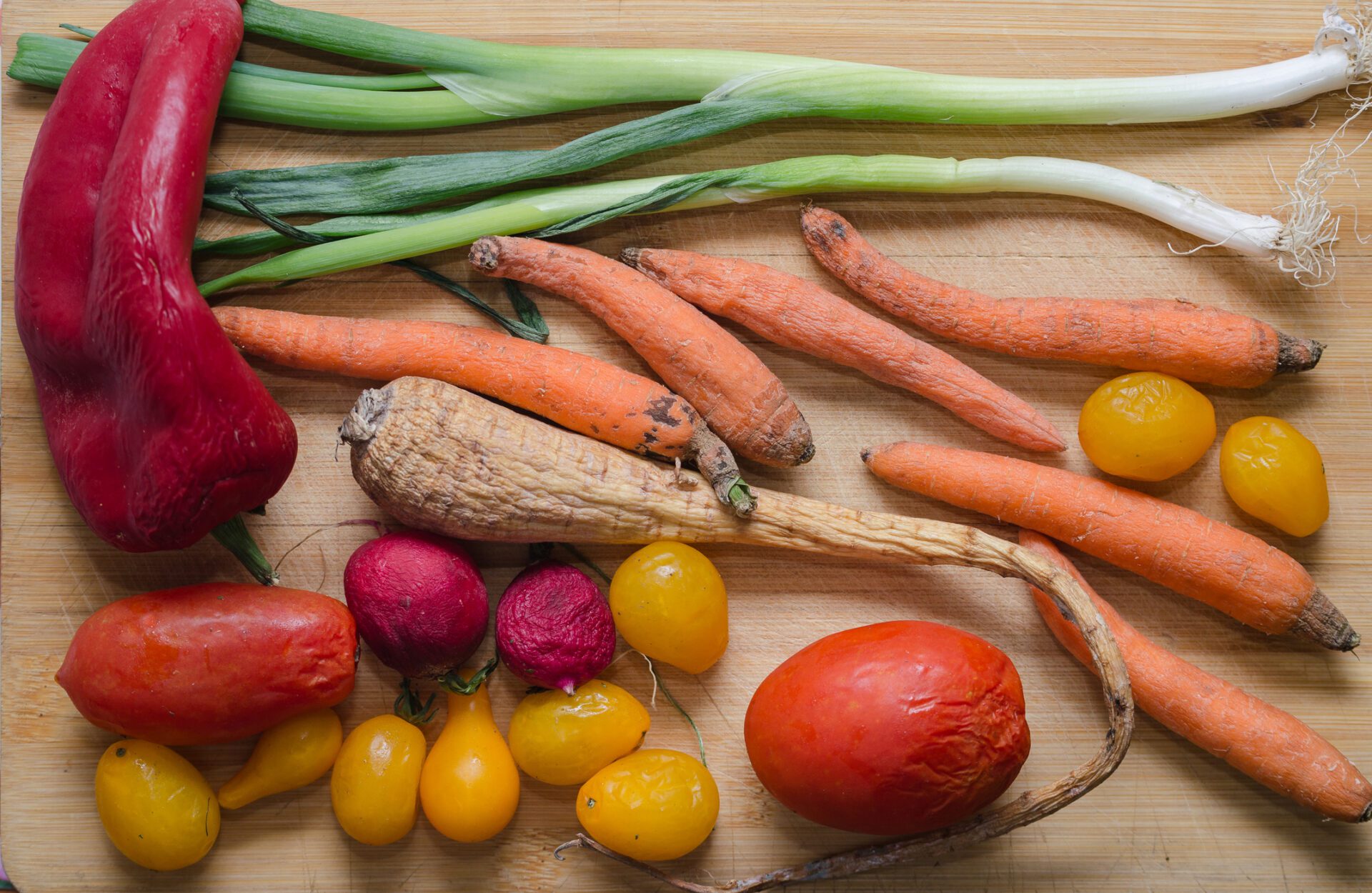 ━━ Some vegetables can become mouldy or shrivel if stored incorrectly.
( Source: rqby / iStockphoto )
Prevention of mould, rot and loss
Even under the best conditions, root vegetables are at risk of developing mould or rot. This can be prevented by targeted measures. Research indicates that average losses due to root diseases after 5 to 6 months of storage can reach 20-21% per year. The most common fungi and moulds in fresh and lightly processed vegetables include the genera Penicillium, Cladosporium and Alternaria.
To prevent moulds, it is a good idea to:
- sort vegetables carefully and do not store damaged roots with the rest.
- ensure good ventilation and do not create an environment with heavy, stagnant air
- control the humidity, as too moist an environment encourages mould, while too dry roots will wilt and lose quality
- regularly check and remove pieces that are beginning to soften or show signs of rot



 L. Novak



 O. Müller

 A. Urban