


Imagine a doctor putting a conventional stethoscope to your chest, but instead of listening to it as normal, after just 15 seconds the results appear on the screen, revealing whether you might be at higher risk of heart failure, atrial fibrillation or valve problems. Thanks to advances in artificial intelligence, this scenario is becoming a reality. There is a device called a smart stethoscope that can detect three serious heart conditions in just 15 seconds.
This technology could be a breakthrough in the diagnosis of cardiovascular disease. It would give doctors the ability to detect problems faster, start treatment earlier and potentially save thousands of lives. What is the principle of the technology and its importance, and how soon will we be able to use it in practice?
The principle of the new technology and its importance
The new smart stethoscope combines a traditional acoustic sensor with a microphone that picks up heart sounds and blood flow, while also having the ability to briefly record ECGs. Thanks to an integrated AI algorithm, the data is evaluated very quickly.
Studies have reported that compared to a conventional stethoscope, the use of this technology was associated with a significantly higher chance of detecting heart failure, for example. This shows that there is a possibility that powerful testing will be available not only in cardiology centres but also in general practice. This should significantly reduce the number of cases of patients with heart problems.
Clinical results and implications in practice
In the UK, the device has been tested in hundreds of practices and over 12,725 patients have been screened. These were around four times more likely to be diagnosed with atrial fibrillation than patients screened traditionally. For valve disorders, the chance of diagnosis was almost twice as high.
What does this mean in practice? Earlier diagnosis means earlier initiation of treatment. This can lead to higher survival chances, better quality of life and a lower overall burden on the healthcare system.
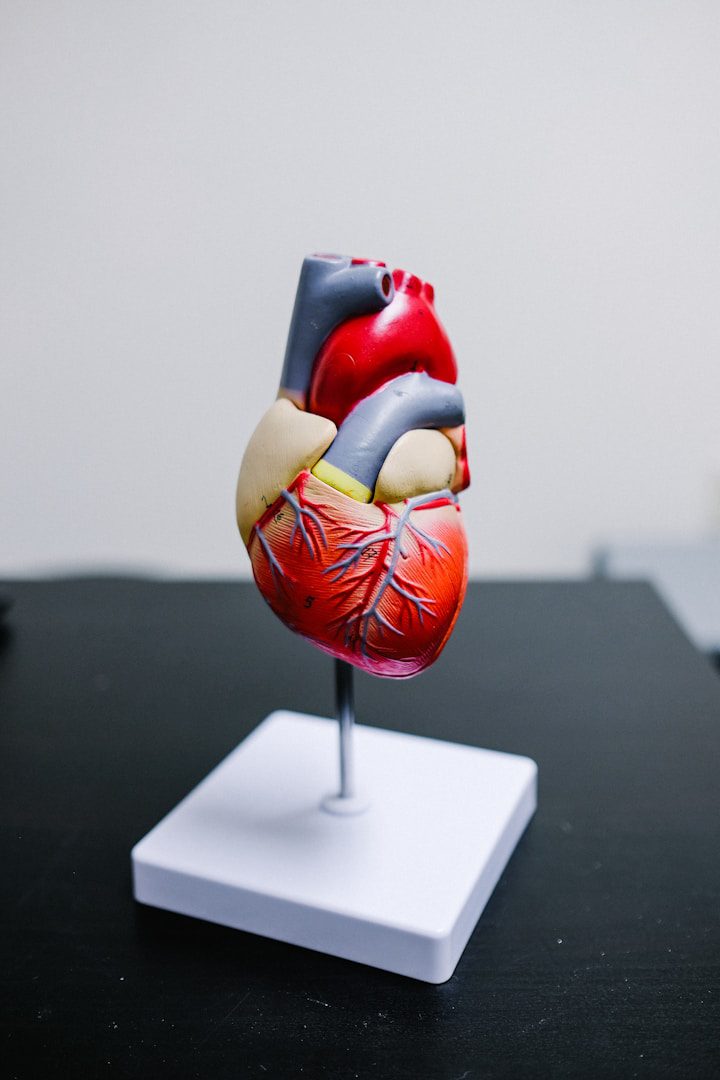 ━━ The new stethoscope detects heart disease in a very short time.
( Source: Kenny Eliason / Unsplash+ )
Challenges and future use
While the new technology is very promising, there are some major challenges. The first is the need for validation in real clinical settings, particularly across different age groups, ethnicities and health systems. For example, studies report that there is not yet enough data on the long-term impact of deploying these devices.
The second challenge is integration into everyday practice. Practitioners need to trust the technology and be trained in how to use it. Ethical and regulatory issues also come into play: who is responsible for a false negative or positive diagnosis?
Ultimately, the future looks like this smart stethoscope may serve as a screening tool in doctor’s offices, in communities with limited access to specialists, or even in telemedicine. As experts report, this is an elegant example of how a stethoscope that was invented more than 200 years ago can be upgraded to a 21st century stethoscope.



 L. Novak



 O. Müller

 A. Urban