


My grandparents were surprised when I mentioned at home that Brazil has a so-called motor vehicle ownership tax. We don’t have anything like that here, but we do pay compulsory liability insurance. This argument did not convince my grandfather and he was still glad that he did not live in a country where car tax had to be paid. However, Brazilians are now at least in for some relief. The amount of tax will be reduced for some owners, and in some cases they will even be exempt from it altogether.
The motor vehicle ownership tax, known as IPVA, is an annual obligation for all car owners in Brazil. Its payment is a condition for registering a vehicle, and without paying it you are not allowed to legally drive your car on public roads. Overall, this tax is intended to improve road infrastructure and road safety. However, it is not uniform for the whole country; each state administers it on its own.
Exemption from the tax in 2026
In 2026, some Brazilian states are making changes to their passenger car ownership taxes. Generally, cars manufactured more than 10 years ago are considered old, and in many cases, there will be a reduction. In some states, owners of such cars will even be exempt from the tax altogether. However, each federal unit defines its own parameters.
States such as Minas Gerais and São Paulo currently apply rates of up to 4% of the market value of the vehicle, while states such as Acre and Bahia apply lower rates, specifically 2%. The changes that will now be made to the tax relief may be equally different. While in many cases there is talk that people may be exempt from tax on cars over 10 years old, it is important to know the exact rules and not just rely on specific information.
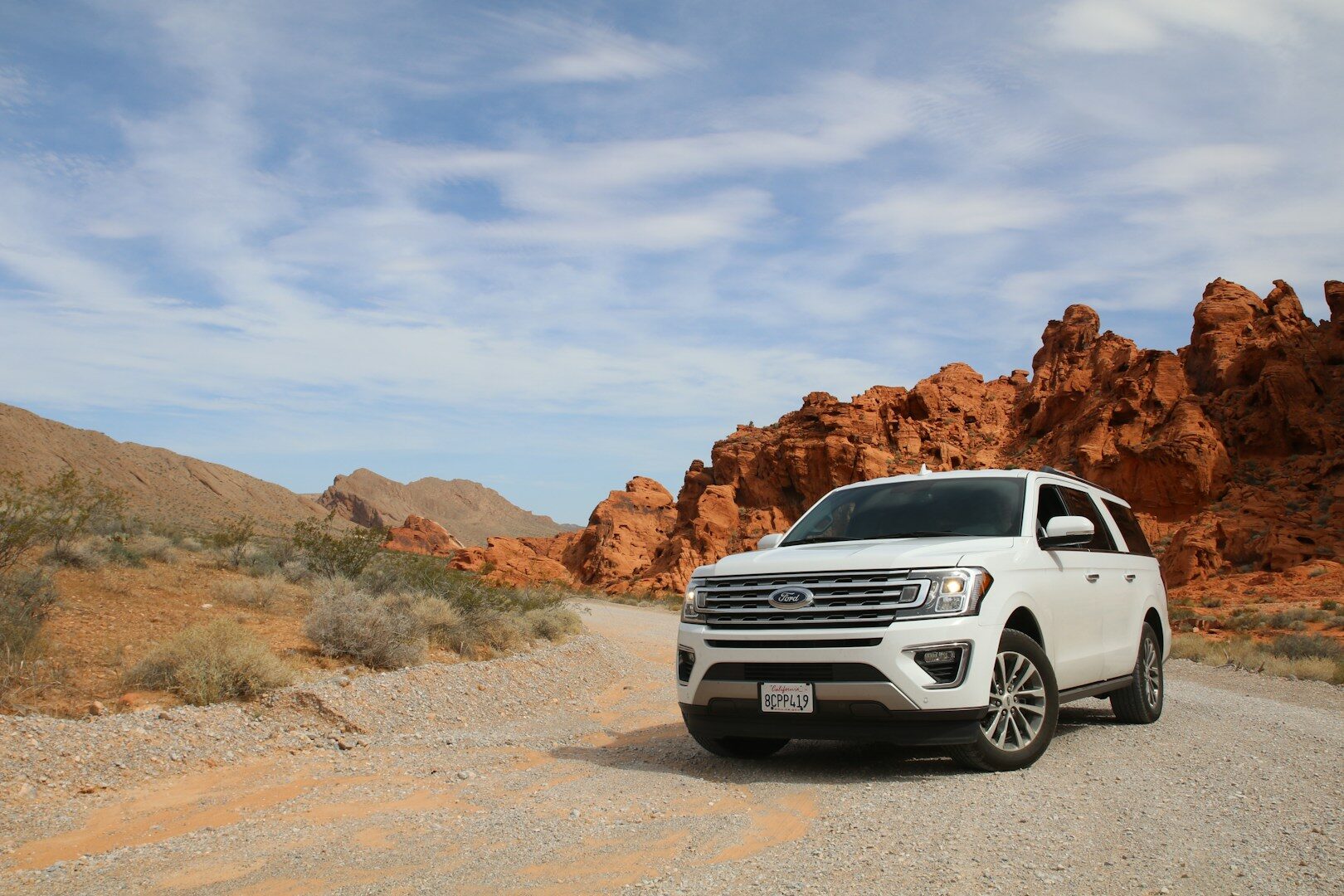 ━━ In some cases, people are also exempt from the tax based on the purpose for which they use the car.
( Source: Sven D / Unsplash+ )
Other tax breaks
In addition to owners of older cars, in some cases people are also exempted from taxes based on how they use the car. The situation may be different for people with disabilities, people who regularly drive children to school, taxi owners and other groups.
“Persons with physical, visual, severe or profound mental disabilities or autistic people are also part of the list of people who can receive not only tax relief but also a discount on the purchase of a new vehicle, either directly or through their legal representatives,” says economist Leonardo Coviello Regazzini. In 2026, the rules change significantly, but ignorance is no excuse. Therefore, according to the Brazilian authorities, it is very important to be well informed in this respect.



 L. Novak



 O. Müller

 A. Urban