


Protein is important in the diet because it has beneficial properties for bones, muscles, immunity and helps the body to regenerate. After all, people who follow a healthy lifestyle and fitness routine couldn’t do without them. But what if, on the contrary, excessive protein intake at a certain age can be harmful? Research is clear on this.
Protein as a modern trend
Social networks and the internet in general are full of recipes and fitness diets that are rich in protein, i.e. proteins. They serve to promote muscle building, weight loss, but also to boost energy. Thus, the notion has been established that the more protein one takes in, the more it supports one’s health. Protein has been shown to play an important role in the body as it supports immune function, helps build and repair tissues, and also maintains satiety. Despite these benefits, excessive intake can be harmful to the body.
Risk of serious diseases
A high-protein diet is associated with a higher risk of cardiovascular disease, a new study published in The Journal of Nutrition, Health and Aging has found. Researchers concluded that people over 55 should be especially careful. The body metabolises protein less efficiently at this age than at a younger age, and excess can be harmful. Excess protein can then cause metabolic overload in the muscles and internal organs.
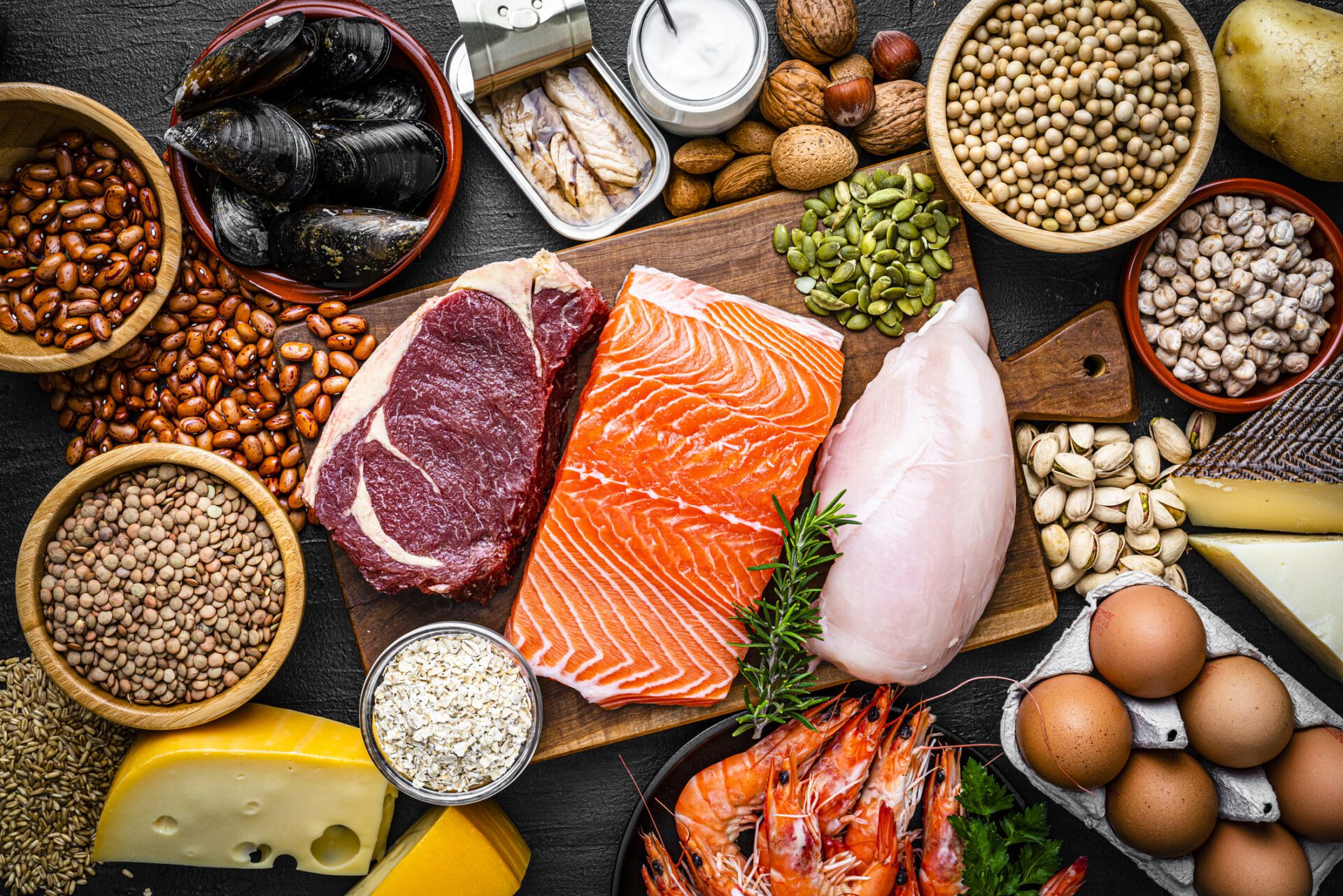 ━━ It is important to consume good quality protein.
( Source: fcafotodigital / iStockphoto )
Study findings
Overall, the study analysed 19,420 people who had not previously suffered from any heart or kidney disease. Each of these participants consumed over 1.8 grams of protein per kilogram of body weight per day. The results showed that they suffered a 43% higher risk of heart failure, a 50% higher risk of heart attack, a 73% higher risk of death due to cardiovascular causes, and a 39% higher risk of death from any cause. The highest rate of disability was among those aged 55 years and older. No significant change was found in younger persons.
Researchers have uncovered several reasons why protein becomes dangerous at this age. If a high-protein diet is frequently consumed, branched-chain amino acids can increase. These are associated with the development of inflammation and oxidative stress. At the same time, trimethylamine N-oxide is produced during protein metabolism and is associated with arterial corrosion. The level of this compound increases with age, making it difficult to regulate.
Don’t give up on protein
The fact is that the body requires protein, so you shouldn’t give it up. As you get older, they are important for muscle mass and strength. However, when choosing your diet, make sure you don’t take in excessive amounts of these proteins. Be especially cautious if you are over 55. The ideal dose is around 1.0-1.2 g per kilogram of body weight. The quality of protein is most important, so eat fish, legumes, nuts and lean meat.


 Šárka Cvrkalová

 L. Novak



 O. Müller
