

Black people have historically always been denigrated, discriminated against and considered an inferior race. Although time has progressed and brought about a different perception, racism and various forms of disadvantage are still commonly encountered today. Brazilians try to draw attention to this issue, which is why they celebrate Afro-Brazilian Awareness Day on 20 November every year.
Historical origins
Brazil was a country during the Portuguese rule where it was quite common to hold black people in slavery. There were often attempts to escape, and many slaves actually succeeded. One of them, Zumbi dos Palmares, became the leader of a community of runaways. And it was the day of his death, November 20, 1695, that served as the date for African American Awareness Day, also known as Black Awareness Day. It became a symbol of resistance and the struggle to gain the freedom that belongs to all people regardless of race.
Slavery was officially abolished in Brazil on May 13, 1888. Attention was then drawn to the issue almost a century later. In the 1970s, activists drew attention to the day of Zumbi’s death, which can serve as a link between the black community and their history and identity.
The evolution into what we know today
The black people’s movement in Brazil proposed setting this date as a day of “black consciousness.” However, it took another decade before it received any significant attention. In 2003, this unofficial holiday was added to school calendars, educating children about Afro-Brazilian culture, history and equality. It was not recognized as a national holiday by the state until 2023, and from then on, November 20 has been a national holiday.
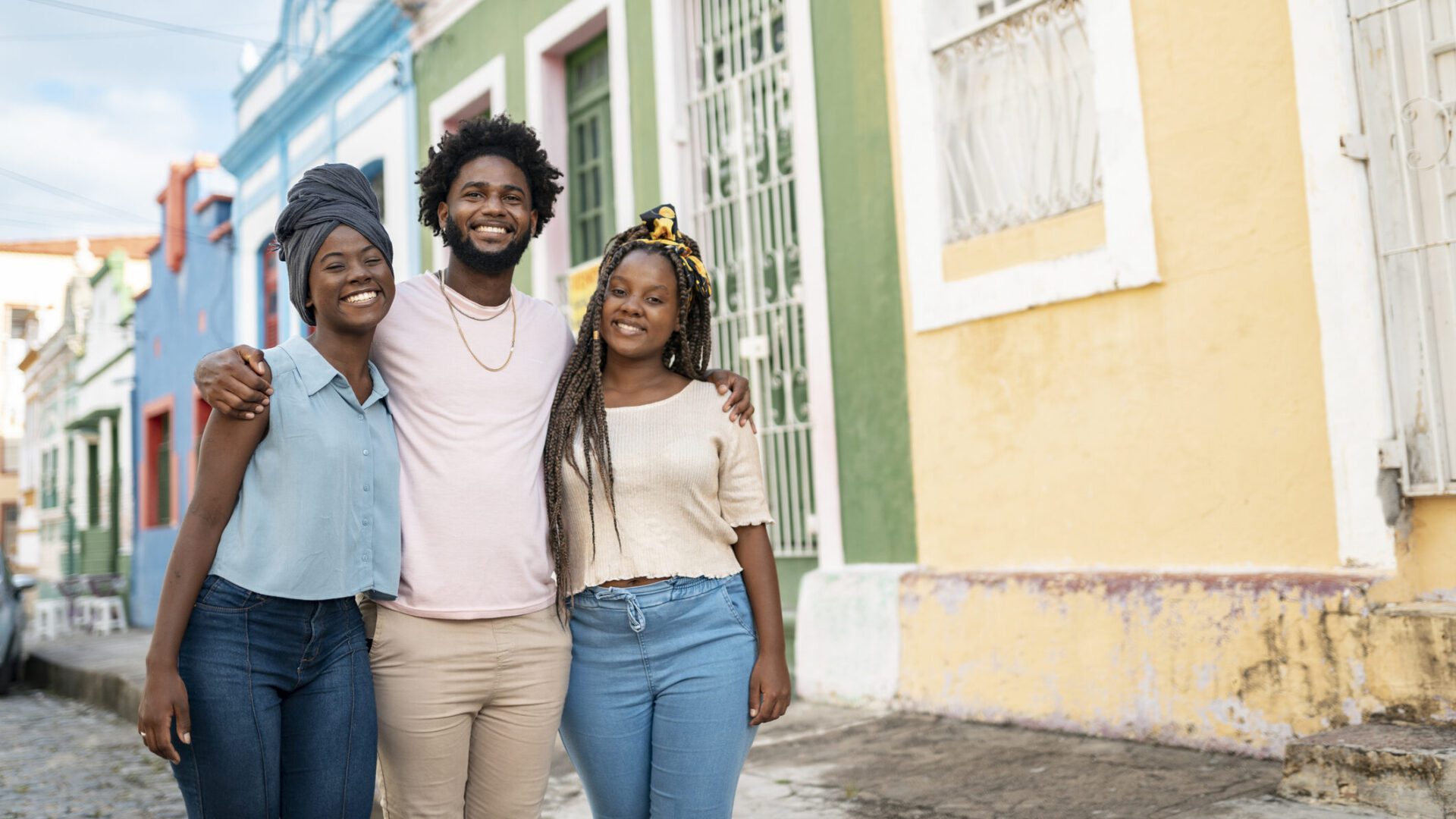
 ━━ This day brings African Americans together and highlights their culture and identity.
( Source: FG Trade / iStockphoto )
Symbolism and meaning
The symbolism of this day is very important as it points to the recognition and celebration of Afro-Brazilian heritage. It also serves as a great contribution to Brazilian society, as inequalities, a form of racism and higher levels of poverty persist in Brazil to this day. Brazilian citizens who are of African descent are often disadvantaged in access to education, employment opportunities and security. Thus, to this day, they have to fight for equality and rights. Although this day is a significant boost, it is not enough on its own. Changes in policy and culture are needed.
Celebrations and activities
A variety of events are taking place across Brazil, be they public meetings, community events focusing on African culture, workshops, concerts or seminars. They always include music, dance and the sharing of family stories that have been passed down through the generations.
African American Awareness Day does not just commemorate the death of a man who fought for the freedom of his race. It’s a moment that unites black communities and highlights the injustices, restrictions and discrimination they have faced and continue to face. It acts as a call to society to put the values of equality first in modern society.


 Šárka Cvrkalová

 L. Novak



 O. Müller
