

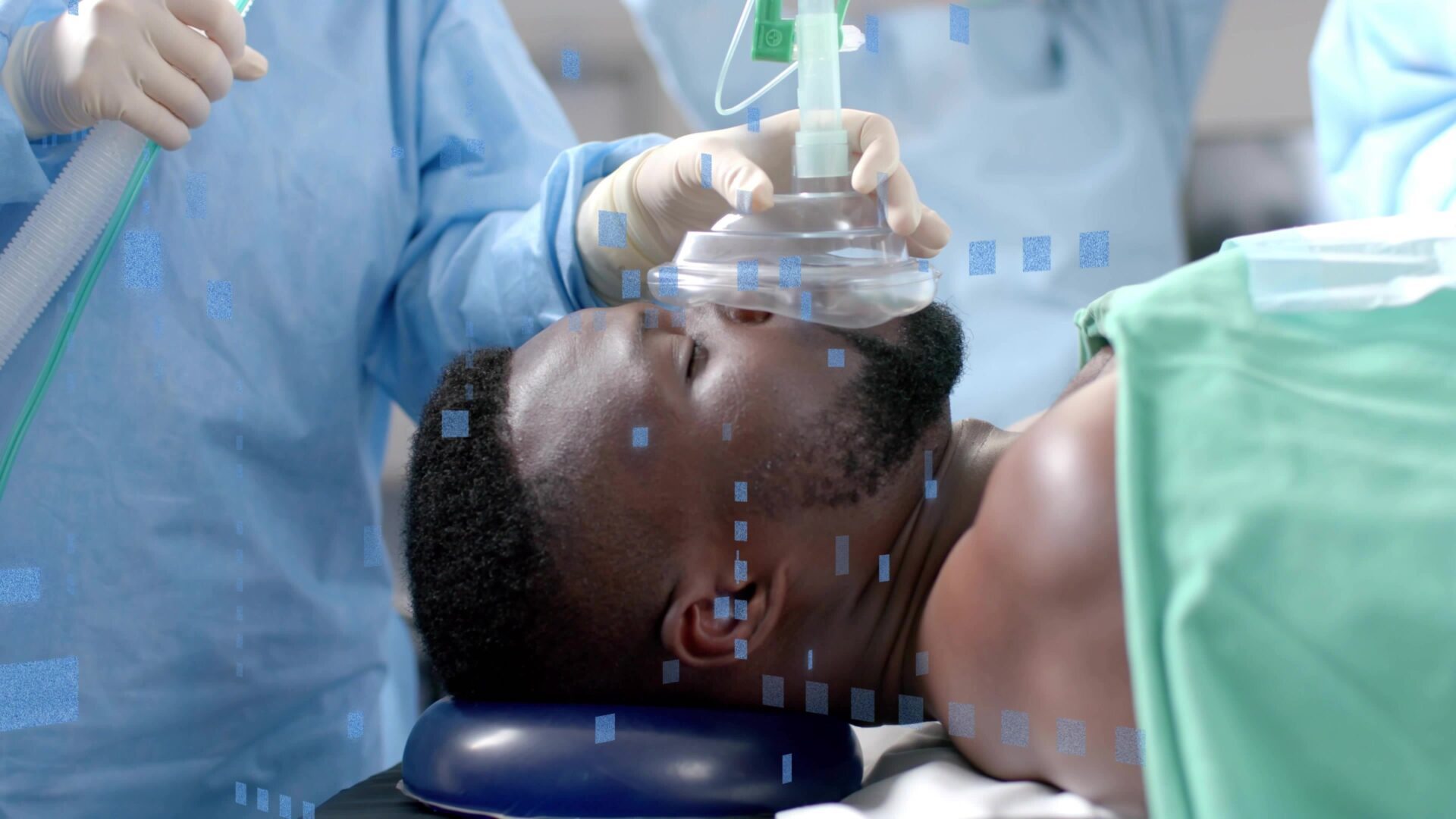
When I went in for the ankle surgery, I didn’t even acknowledge the fear that I might not wake up again. I was more uncomfortable with the feeling of someone cutting into my body. And the thought of having stitches taken out once I was conscious was even more unpleasant for me. But there are people who are afraid of anesthesia. They don’t have to. Modern medicine can read what’s going on in the brain and tailor the dosage of drugs.
A new type of monitoring
In routine operations, doctors still monitor values such as blood pressure, heart rate, temperature and blood oxygenation. A new type of monitoring, pioneered by the Brno clinic, allows the brain activity to be monitored directly, distinguishing between different types of brain waves. This has great advantages, as anaesthesia can be adjusted in real time according to the organism’s immediate reaction.
This makes the course of anaesthesia much gentler for the person concerned and puts much less strain on the body. “At the beginning of the year, we equipped all our operating theatres with a special system that allows us to control the depth of anaesthesia directly according to the spectral analysis of the brain waves of a particular patient. Thus, anaesthesia is not universal, but precisely adapted to the individual,” described the head of ARO SurGal Clinic, MUDr. Zdeněk Chvátal.
The main benefit of individual dosing is increased patient safety and comfort. New methods and technologies give doctors the opportunity to work in a more targeted manner and also with greater certainty that the patient is receiving exactly the amount of anaesthesia he or she needs. Patients can then look forward to a faster recovery and a lower risk of complications. “We see a significant reduction in post-operative confusion, a quicker return to full consciousness and better overall comfort after the procedure. This has a positive impact not only on the patients’ subjective feeling, but also on their recovery,” confirms Zdeněk Chvátal.
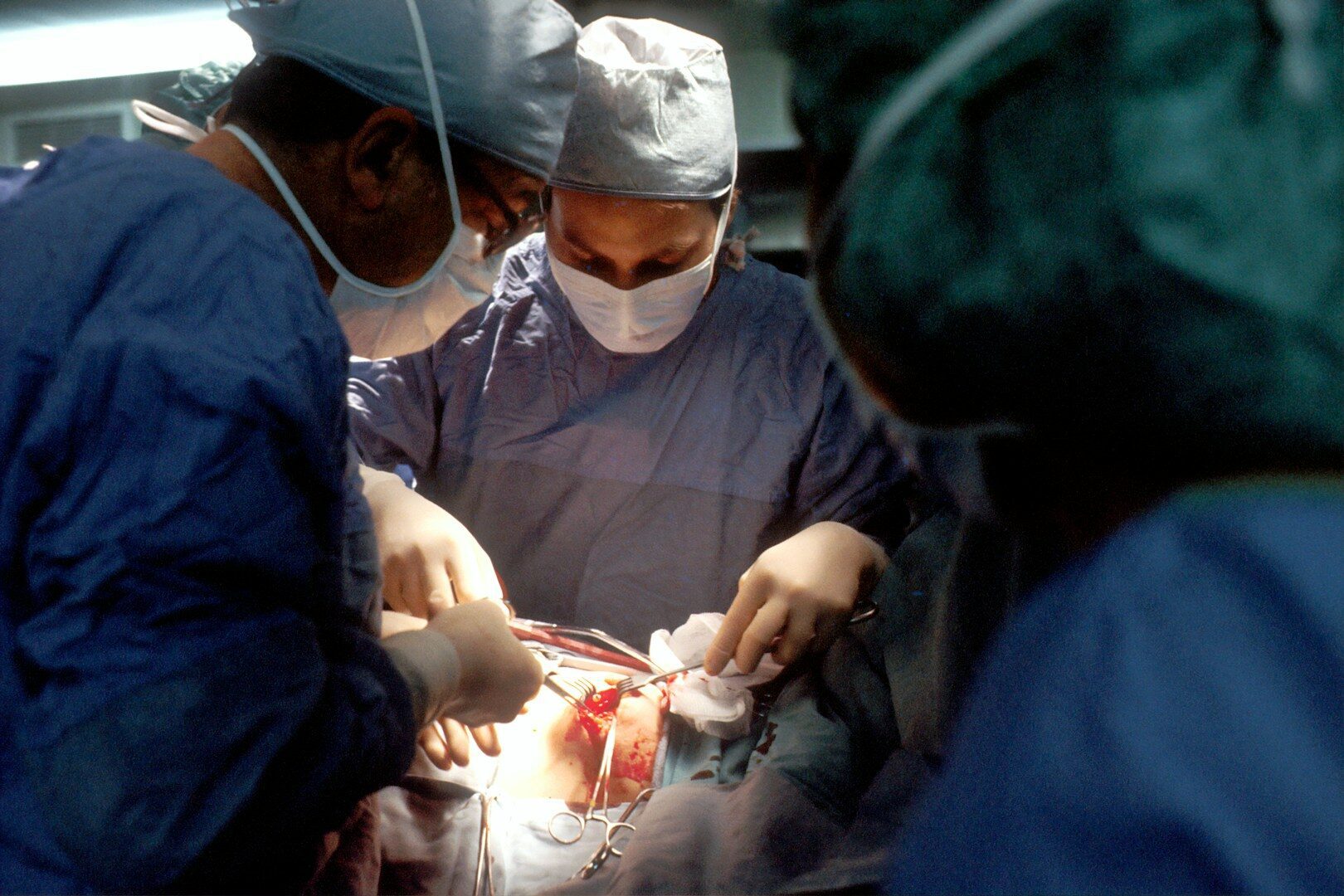 ━━
( Source: National Cancer Institute / Unsplash+ )
Neuromonitoring and anaesthesia
Monitoring the brain during surgery is crucial. Older adults are more sensitive to the effects of gas and intravenous anaesthetics. They need significantly lower doses to achieve adequate levels of general anaesthesia. In addition, in 2018, the World Health Organization formally proposed the use of EEG to measure brain function during general anesthesia. Especially in patients at risk of postoperative delirium.
History of anaesthesia
In the first half of the 19th century, operations were very risky and also painful. Surgeons had to work quickly because there was no effective anaesthesia. A breakthrough came in 1846 when an American dentist, William T. G. Morton, demonstrated the use of ether in Boston. Much has changed since then. From the use of ether and chloroform, to the first intravenous agents, to today’s combination of anaesthetics and analgesics in measured doses. It is now a highly precise medical discipline. Nowadays, it’s a given that every operation is monitored.


 Šárka Cvrkalová




 O. Müller

 A. Urban