

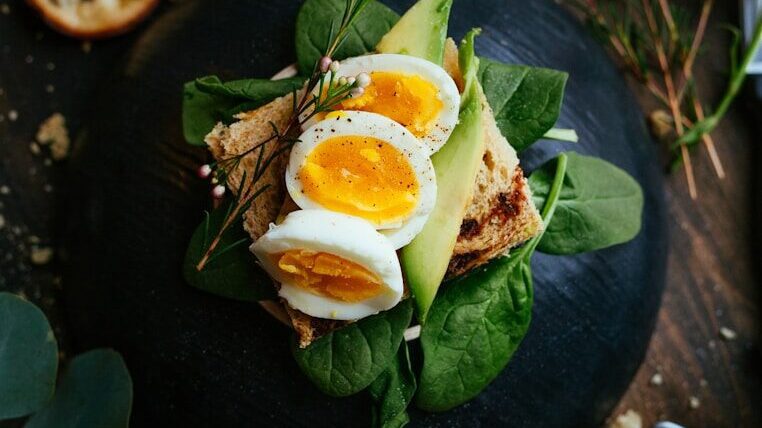
High cholesterol is a major health problem. For many years I was overweight and worried that diabetes would set in. I am glad that in the end the blood results did not reveal this problem because cholesterol, although it is also a complication, can be addressed. In trying to understand what all I could and could not eat, I came across some conflicting information. For example, it is generally believed that eggs and butter are the big evils when it comes to cholesterol problems. But the science says something a little different.
If a person has high cholesterol, it means that blood vessels may be clogged. And that increases the risk of heart attack, stroke and atherosclerosis. In my case, fortunately, the complications are not such that I have to deal with the situation with medication. But a change in diet was definitely called for. While I clearly eliminated some foods completely, I started to consume more of others. With eggs and butter, however, it’s not as clear-cut as it might seem.
Limit eggs, but you can eat them
It used to be believed that eating eggs was very bad for cholesterol. But this is mainly due to older and inaccurate research. Today, scientists know that although this food raises cholesterol, in healthy amounts it is not a problem to have it even with health problems.
According to dietitian Julie Zumpano, people who have high cholesterol can eat up to four eggs a week. Those without high cholesterol can consume even one egg a day without any danger. So if you have cholesterol problems, eggs are not automatically a completely forbidden food. Which is a good thing, because they still have many health benefits and are good for a weight-reduction diet. So I indulge in them regularly, but sensibly. It makes me lose weight, but I’m not worried about cholesterol.
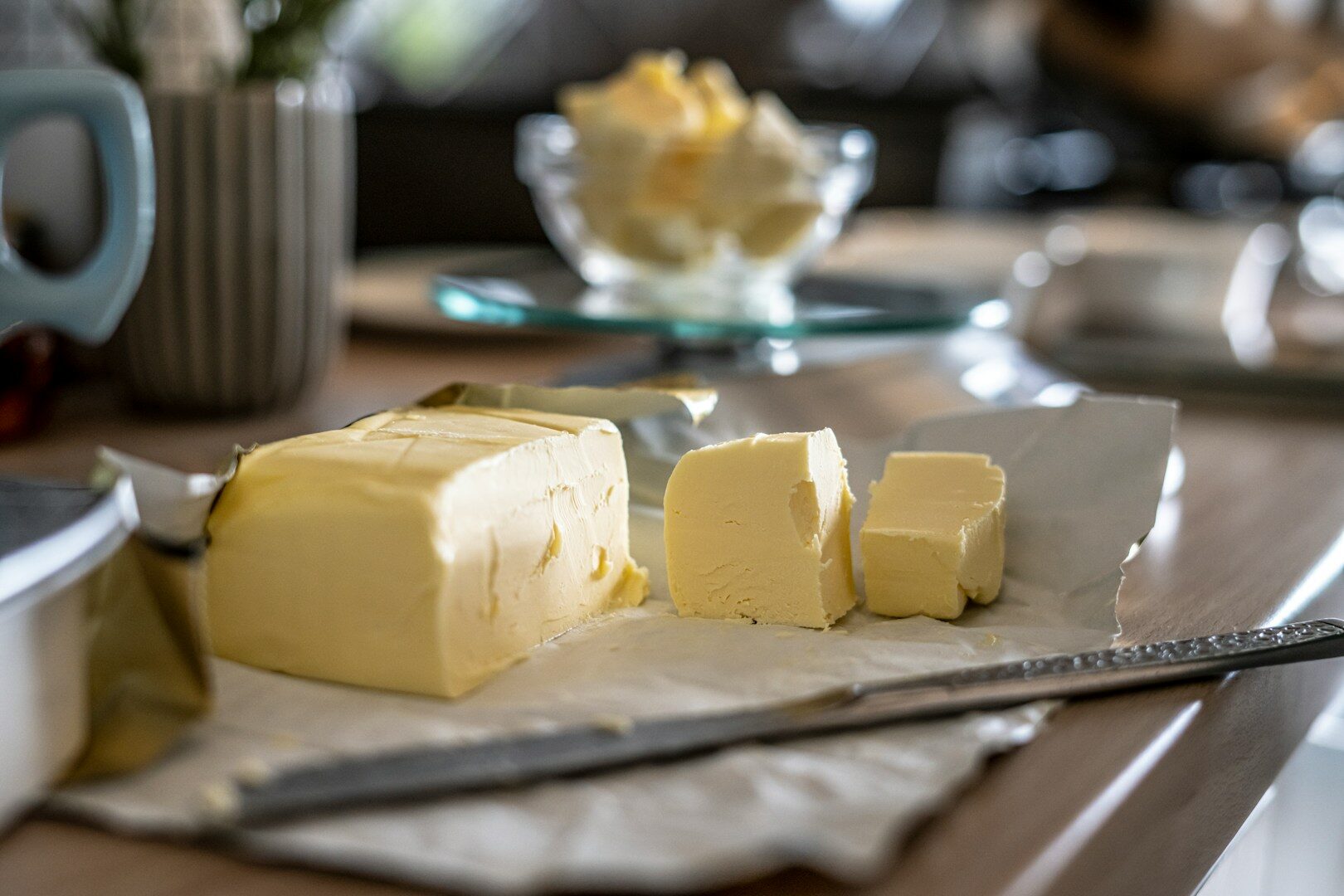 ━━ Butter is fat. And fats are very bad for cholesterol. But how much can a person eat without health problems?
( Source: Sorin Gheorghita / Unsplash+ )
How about butter?
If a person has high cholesterol, he should limit animal fats. Vegetable ones can lower cholesterol in some ways, as can many vegetables, for example. However, butter is an essential product associated with animal fats. So can a person who has high cholesterol consume it?
Butter is mainly fat, about 65-80% of which is saturated fatty acids. Saturated fat can raise LDL cholesterol (the ‘bad’ cholesterol ), which is associated with heart disease risk. On the other hand, food also contains HDL cholesterol (the ‘good’ cholesterol), vitamins A, D, E and K2. So the overall effect of butter depends a lot on the overall diet. If you eat lots of vegetables, whole grains and limit industrial fats, a small amount of butter may not be harmful.
A couple of grams of butter on bread is fine, but when cooking it is definitely preferable to a large layer of oil. An alternative to butter is olive oil. It’s ideal to limit it, but again, the same applies as with eggs: you don’t necessarily have to cut butter per se out of your diet if you have cholesterol problems.



 L. Novak



 O. Müller

 A. Urban