

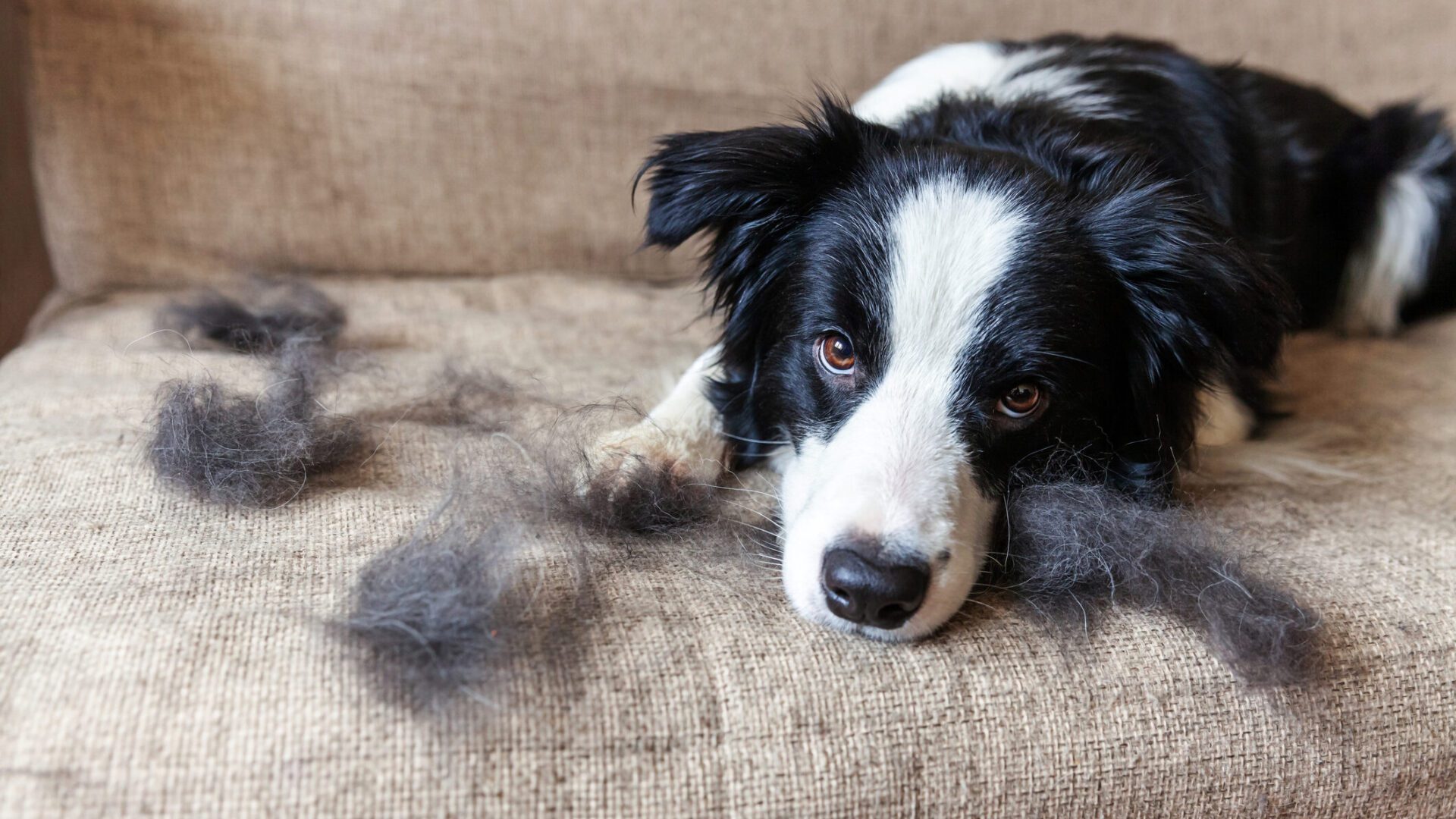
If you live with a dog, cat or other furry pet, you’ve probably experienced this before. You get up in the morning, look at your favorite t-shirt or the cover on the couch, and wonder what you’re going to do with all that hair. The worst part is that even after washing, many times the hair clings to the fabric like it’s stuck to it forever. But how is it possible that animal hair sticks so tightly? And how do you finally get rid of them effectively when washing?
There are a number of tricks you can use to get rid of dog and cat hair from your clothes. But if you put clothes or furniture covers in the washing machine, it’s a little more complicated. Few people know this relatively simple curling iron trick that works virtually every time. Will you give it a try?
Why does hair stick to your clothes?
At the heart of the problem is a property of the hairs themselves. Animal hair sticks to clothes much more firmly than ordinary dirt because:
- the hairs have a small, irregular structure that mechanically gets caught in the fibres of the fabric
- during washing, the hairs can curl up or form small clumps due to a combination of moisture and movement, making them less soluble and harder to remove
Therefore, water and the washing cycle alone are often not enough to remove the hairs. When hairs get wet, they tend to settle even more in the fabric and on the walls of the drum. This can even worsen their attachment. Pet hair is not just an aesthetic problem. They can also carry allergens and are identified as one of the main allergens in homes around the world.
Hair, static electricity and washing machines
One of the main reasons why hair sticks to clothes is static electricity. Electrostatic charges are created when the fabric moves. Clothes can have a negative charge while hairs have a positive charge, causing them to attract each other. A normal wash cycle without special static treatment often fails precisely because the static electricity does not disappear during the wash, giving the hairs no reason to break free from the fibres.
Consumer Council studies suggest that wet laundry can even increase the adhesion of hairs, as the water wets the fibres, so to speak, and the hairs are better able to sink into the fabric and into the folds of the drum. This explains why even after a conventional wash, the hair does not come off. That’s why it’s a good idea to add other tools to the washing process that mechanically catch the hairs before they settle again.
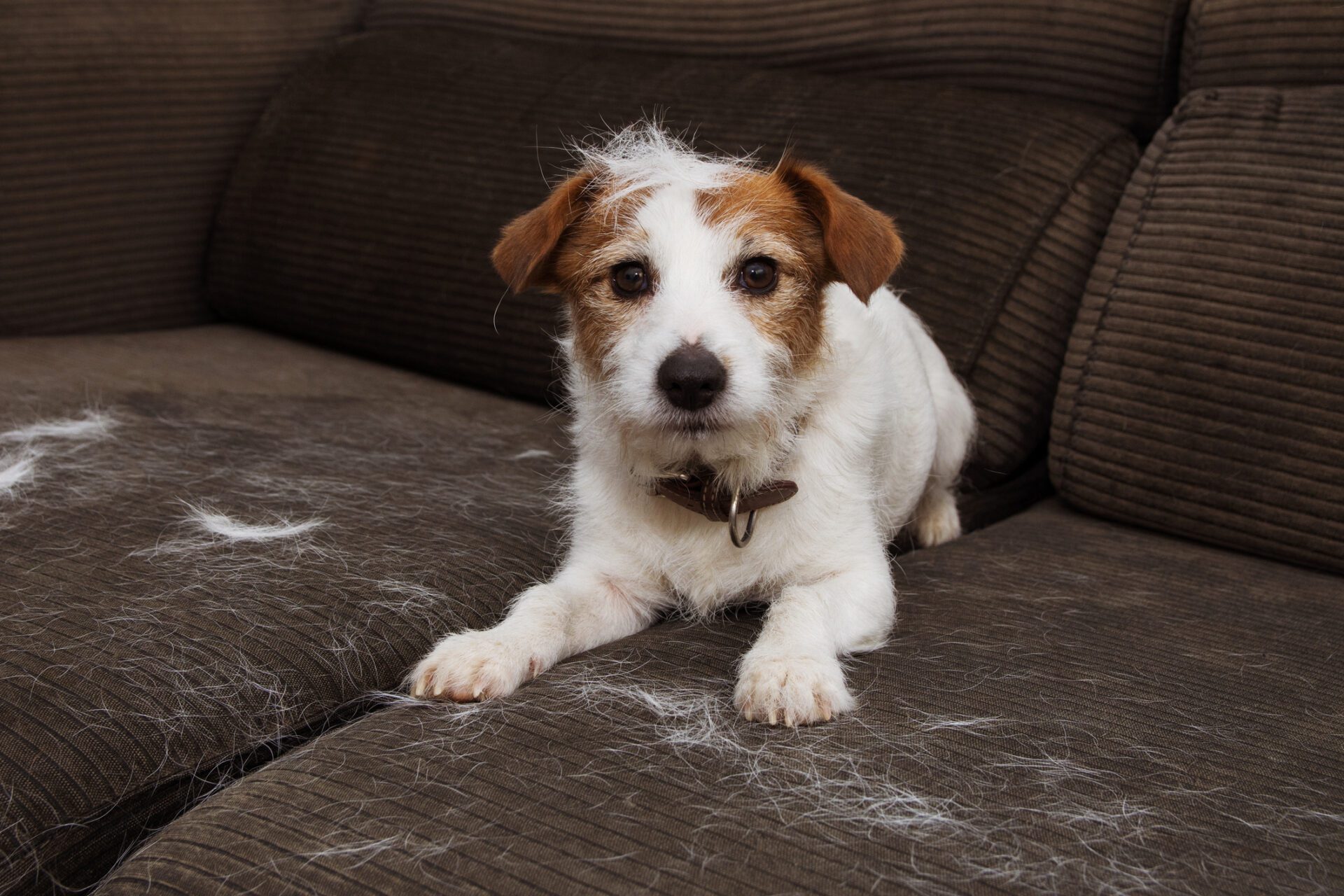 ━━ Washing animal hair from a pillow is sometimes very complicated. But if you know the right tricks, you can manage.
( Source: smrm1977 / iStockphoto )
Washing machine + curlers: a tip that works wonders
One of the most interesting tips of recent years is to add plastic curlers directly to the washing machine drum along with the clothes. These curlers work like a mechanical magnet. During washing, the movement of the drum and the clothes will cause the hairs to stick to their rough texture or hooks.
This trick has gone viral not only in Central Europe but also abroad. Users on social media and in magazines report that many more hairs remain on the clothes after washing than on the clothes themselves, which come out of the washing machine cleaner.
Practical tips for use
- Use the curlers about five at a time so that they have enough surface area to catch the hair.
- After washing, the hairs can simply be removed from the curlers by hand or with a brush.
- This trick is recommended by people in cleaning communities and magazines, especially for common fabrics like cotton or polyester.
It should be added that for very delicate fabrics such as silk, this method should be used with care. In fact, the sharp edges of the curlers could also catch on delicate fabrics and damage them.



 L. Novak



 O. Müller

 A. Urban