


When I first heard about analgesia, I was maybe 10 or 12 years old. I remember watching a TV show with my parents about a hospital setting. At the time, I wondered why it was a big deal that someone didn’t feel any pain. I found it fascinating as a child. Superheroes are invulnerable and nothing hurts them. But at the time, I was confusing invulnerability with analgesia. Today, I know they’re not the same thing.
Analgesia is a state where you don’t feel any pain. It occurs in several ways. It’s quite common after the administration of drugs to numb a person. In this case, the condition is usually what the person wants to induce. But there is a genetic congenital analgesia. That’s very rare. “Congenital insensitivity to pain is caused by extremely rare Mendelian genetic disorders,” according to the British Medical Bulletin.
How does analgesia arise?
There are three types of analgesia. Not all of them are dangerous:
- Pharmacological analgesia: It is sought after. It is caused by medication (pills or injections), for example to make a person feel better, or before surgery.
- Psychogenic or temporary physiological analgesia: It is quite common, for example, during extreme stress, trauma or sporting performance, when people do not ‘feel pain’ for a period of time. It can be dangerous because the person is not able to react in time and, for example, call the emergency services because of the shock.
- Genetic congenital analgesia: It is extremely rare. Estimates give less than 100 known cases worldwide.
Genetic congenital analgesia occurs as a mutation in the SCN9A gene. This causes the sufferer to feel no pain at all, neither acute nor chronic. Normally one doesn’t know about this disease, I myself heard about it only thanks to the series and I didn’t encounter it again until years later. Doctors have little experience with it. Unfortunately, there is no cure. You’re wondering why anyone would want to treat the fact that they don’t feel pain? I think it’s quite logical.
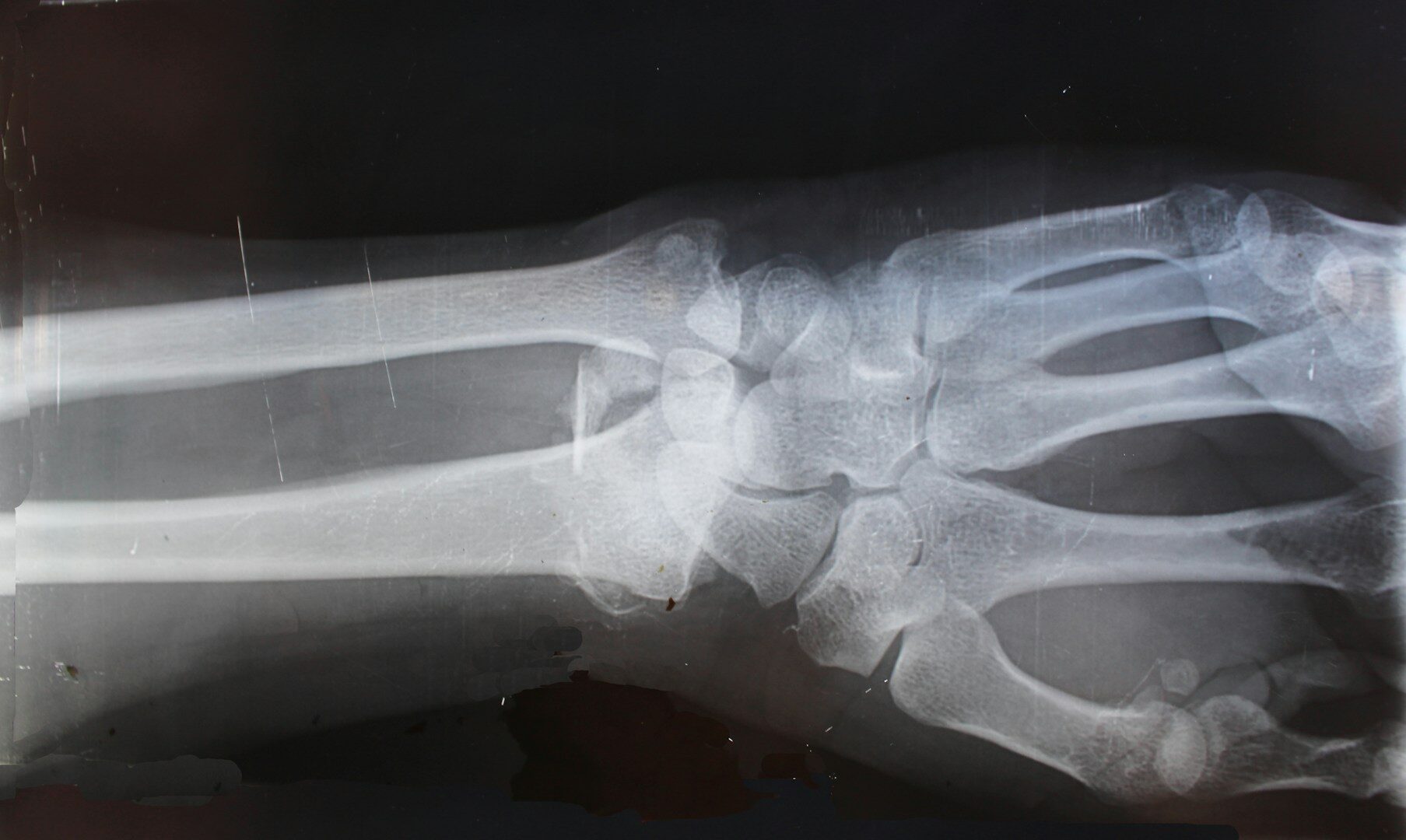 ━━ The swelling will appear. X-rays will show a fracture. But you don't feel any pain.
( Source: Cara Shelton / Unsplash+ )
Why is analgesia dangerous?
People with insufficient pain sensation may not notice serious injuries. These include, for example, burns or fractures, but after a short time other symptoms appear. Swelling or perhaps skin discolouration and bruising will tell you that something is wrong. But if you don’t treat the problem despite the obvious symptoms, you may find that, for example, a fracture in your arm causes major problems and you may end up losing the use of your limb.
Worse are the cases when a person with analgesia experiences, for example, a serious accident and does not get a good examination. This is because serious internal injuries to organs or bleeding in the abdomen can occur because of the lack of pain. These are, of course, life-threatening conditions. So just because someone doesn’t feel pain doesn’t make them a hero. These are not invulnerable people, just people who are unaware of their injuries. And that’s a big problem.



 L. Novak



 O. Müller

 A. Urban