

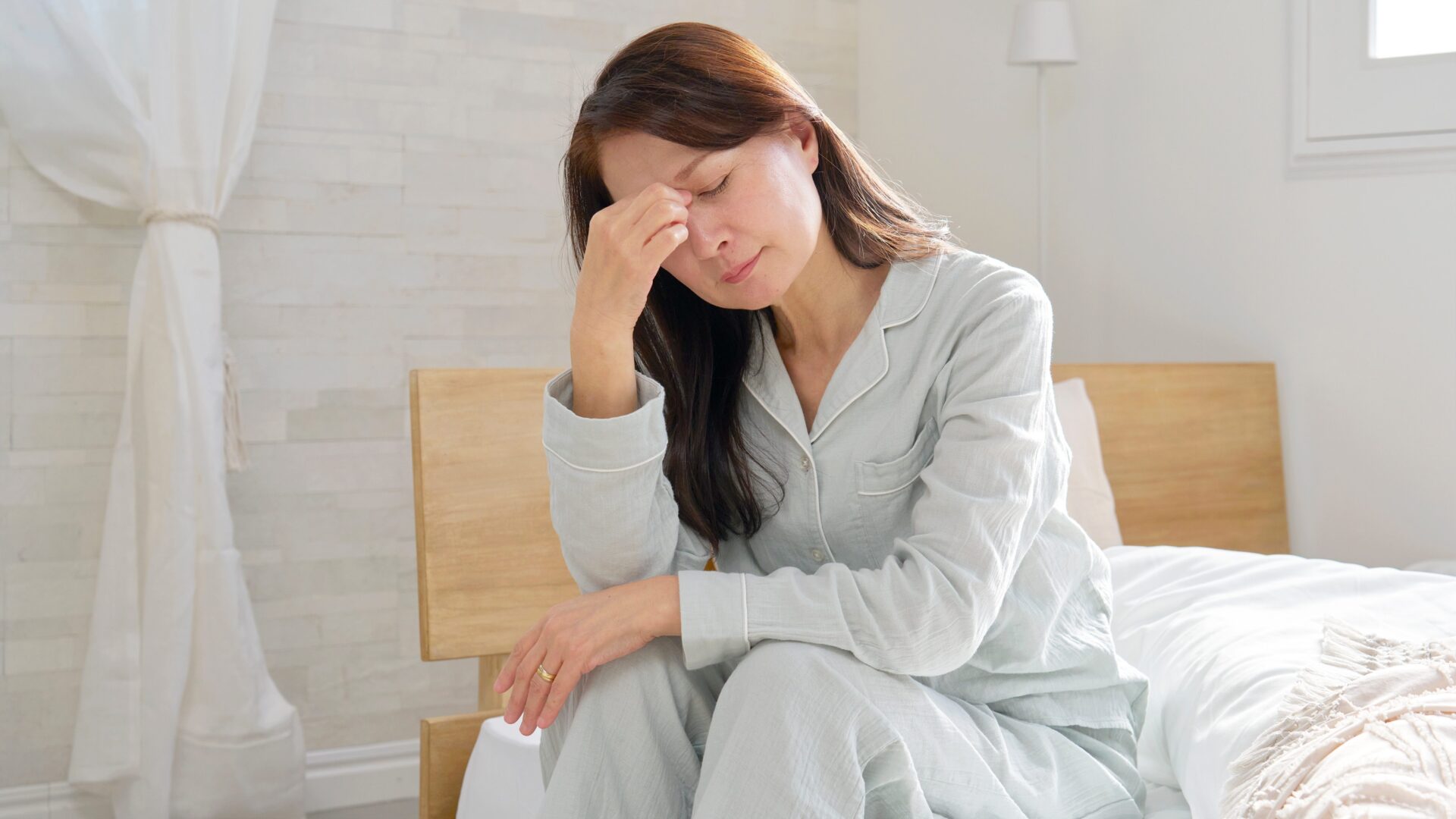
There is constant advice and recommendations from all sides about the importance of sleep. But how many of you really follow the recommended length? While you may hate the phrase “sleep is essential for health”, it’s true. It’s even more true as we get older, as the body needs plenty of energy and recovery.
Honestly, do you make sure you get enough quality sleep or do you tell yourself that you’ll just “somehow” get enough sleep? And how many of you consciously neglect it? Its needs change with age, of course. In your twenties you can get by with a few hours, by your forties many would literally be exhausted. And it is the period between 40 and 50 that is quite demanding, not only in terms of work, family, but also the increased stress levels that can be caused, for example, by caring for elderly parents.
Although I do not fall into this age category, I observe in my parents and grandparents how significantly sleep affects their performance, mood and cognitive function. After all, any of us feel these effects too if we neglect sleep for a long time. However, if you’re over forty, according to the National Sleep Foundation, the optimal length of sleep is between seven and nine hours.
False talk or important warnings?
There is constant talk about regenerating the body during the night when it is in resting mode. If it is exposed to less sleep at this age, it is at risk of developing various diseases such as type 2 diabetes, osteoporosis, cardiovascular disease and obesity. The explanation is simple, the body simply regenerates much more slowly and is thus unable to replenish the energy it needs. Around the age of 45, inadequate sleep can lead to faster aging, reducing the ability to stay fit, according to researchers at Stanford University.
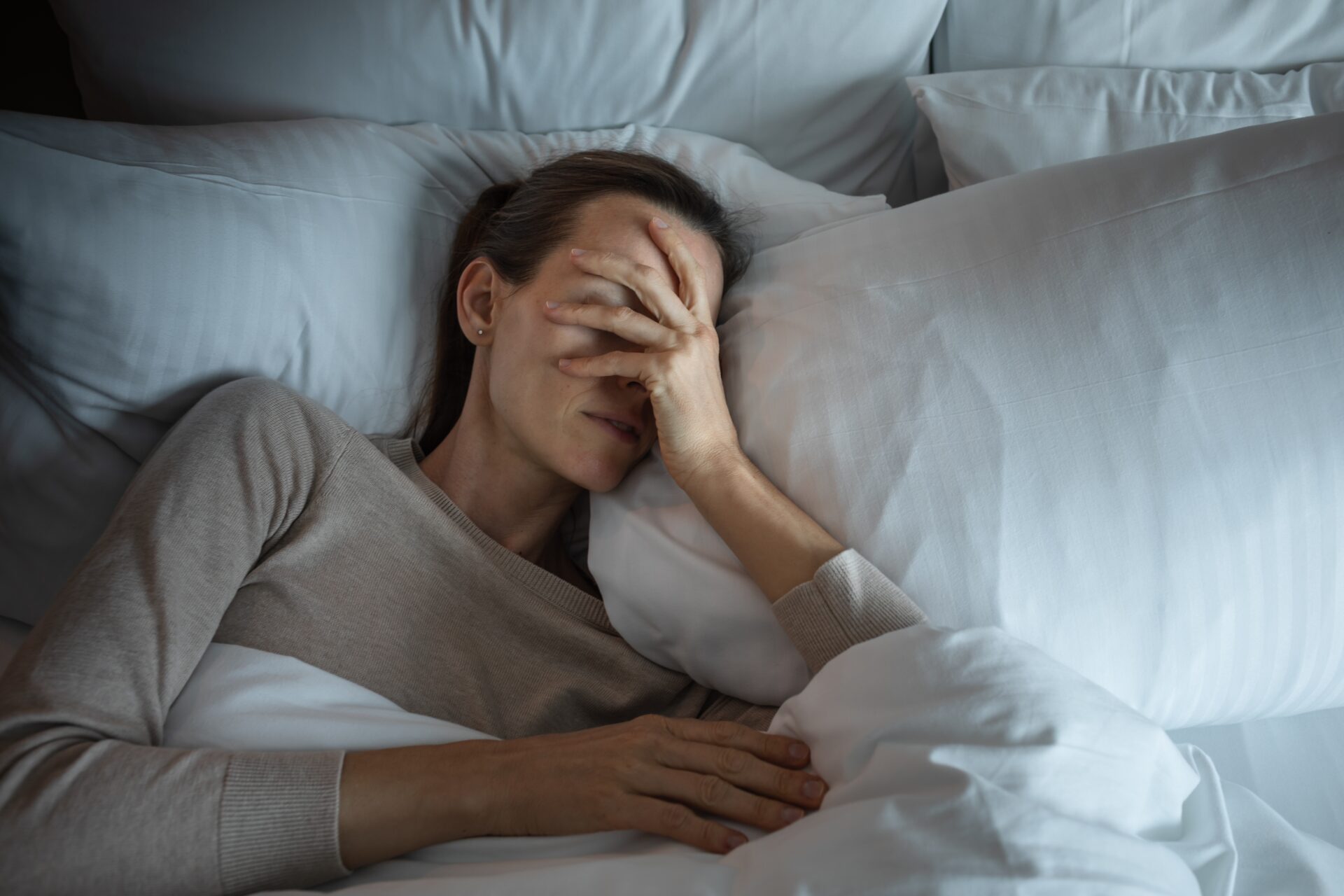 ━━ As you get older, you should sleep 8-9 hours a day.
( Source: KieferPix / Shutterstock )
Various physical or psychological factors can affect the quality of sleep itself. For women, the onset of menopause can lead to sleep disturbances due to hot flashes or night sweats. Increasing age then brings physical problems, especially back pain, joint pain or frequent urination. Incidentally, whenever I visit my grandparents, they have fun poking fun at each other, showing off how they wake each other up when they are “shitting the toilet for the tenth time”. Not to mention taking medication that can have side effects. Sleep problems plague nearly 40% of adults over 65, and medication use is a common contributing factor.
According to personal accounts, people in their 50s usually get 7 hours of sleep. “When I was younger, about 6 hours of sleep was enough. But now in my 50s, I have extended my sleep significantly and ideally sleep around 7 to 8 hours,” says one user in an online debate. Many also talk about waking up during the night. “I try to fall asleep again, but it usually takes me an hour or two. I often spend the rest of the night dozing and waking up again,” another userdescribed.
Tips for better sleep
Good sleep habits should be followed by everyone, regardless of age. Personally, I try to follow a consistent routine, even if it doesn’t always go according to plan. I would mention the most important thing as going to bed and also getting up at the same time every day. When the body knows that it can rely on a regular sleep rhythm, it will much better go through the actual recovery process.
I struggle daily with the rate of digital technology use during the night hours. However, I try to put them away an hour before falling asleep each time. Of course, the environment you fall asleep in is important. The room should be sufficiently darkened and quiet. Then I consider various relaxing activities, such as reading a book or meditation, as a big bonus to help reduce stress.


 Šárka Cvrkalová

 L. Novak



 O. Müller
