

The risk of sepsis has terrified me and my friends ever since one of my loved ones struggled. This abnormal and disproportionate reaction of the body to infection can damage organs and tissues and needs to be addressed very quickly. Urgent treatment is with antibiotics, which worked in our friend’s case. However, the case has become a deterrent for all of us because we now know that even what seems to be an innocent problem can result in a life-threatening condition. Early detection of sepsis is very important, so it is good news that blood tests now make this possible, according to research.
It’s also called blood poisoning. Sepsis can develop from a variety of infections, from pneumonia, urinary tract infection, skin infection or infection after surgery. Being diagnosed early greatly increases the chance of curing it. A study carried out at San Donato Hospital in Arezzo, Italy, showed that sepsis can be detected even with routine blood tests, helping doctors to intervene early.
Even a routine blood count
The research was carried out on 600 patients who arrived at the emergency room at San Donato Hospital with suspected infections. Routine blood draws assess, among other things, the so-called MDW, or monocyte distribution width, which can be detected as early as five minutes after the blood is delivered to the laboratory. This identifier can be very important just to determine whether a patient is at risk of sepsis, PubMed explains.
By bringing together laboratory medicine and microbiology, emergency medicine, infectious disease, anesthesiology, and intensive care units in the research, their combined knowledge has led to a conclusion that could save the lives of many people around the world. And that’s just by having routine blood work done on admission when an infection is suspected.
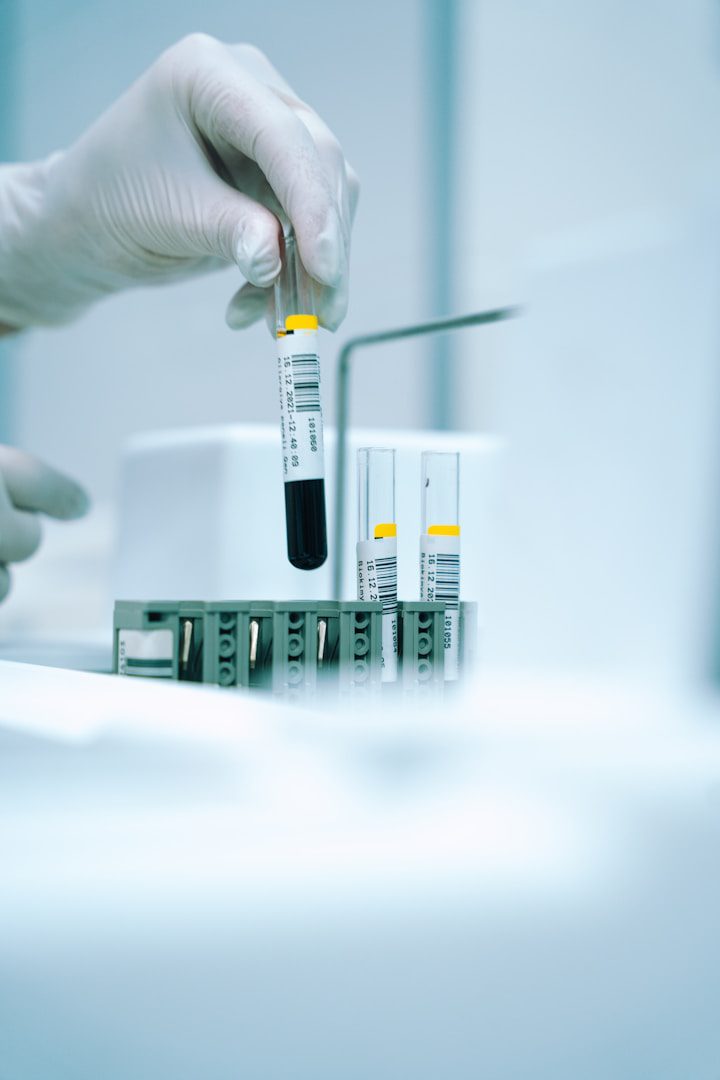 ━━ In sepsis, antibiotics should be given immediately and the patient's condition should be monitored. And thanks to blood tests, this is possible in some cases.
( Source: Akram Huseyn / Unsplash+ )
Fast and seamless
No further testing is required to determine the MDW value. It is not associated with any additional costs and can be available within the first hour of the patient’s arrival at the emergency room. As a result, if a patient is at serious risk of sepsis or has already developed sepsis, healthcare professionals are able to intervene and administer antibiotics very early. In addition, the results of the study have already been put into practice.
Unfortunately, in some cases, sepsis develops so unexpectedly that it is quite difficult to catch it in time. This was the case for our friend who developed complications after a major operation. He himself underestimated the symptoms of the problem and sought a doctor late. This, too, became a lesson for many of us.
If one consults a specialist immediately at the first sign of complications, the MDW values can save many patients from problems, and in some cases even save lives.



 L. Novak



 O. Müller

 A. Urban