

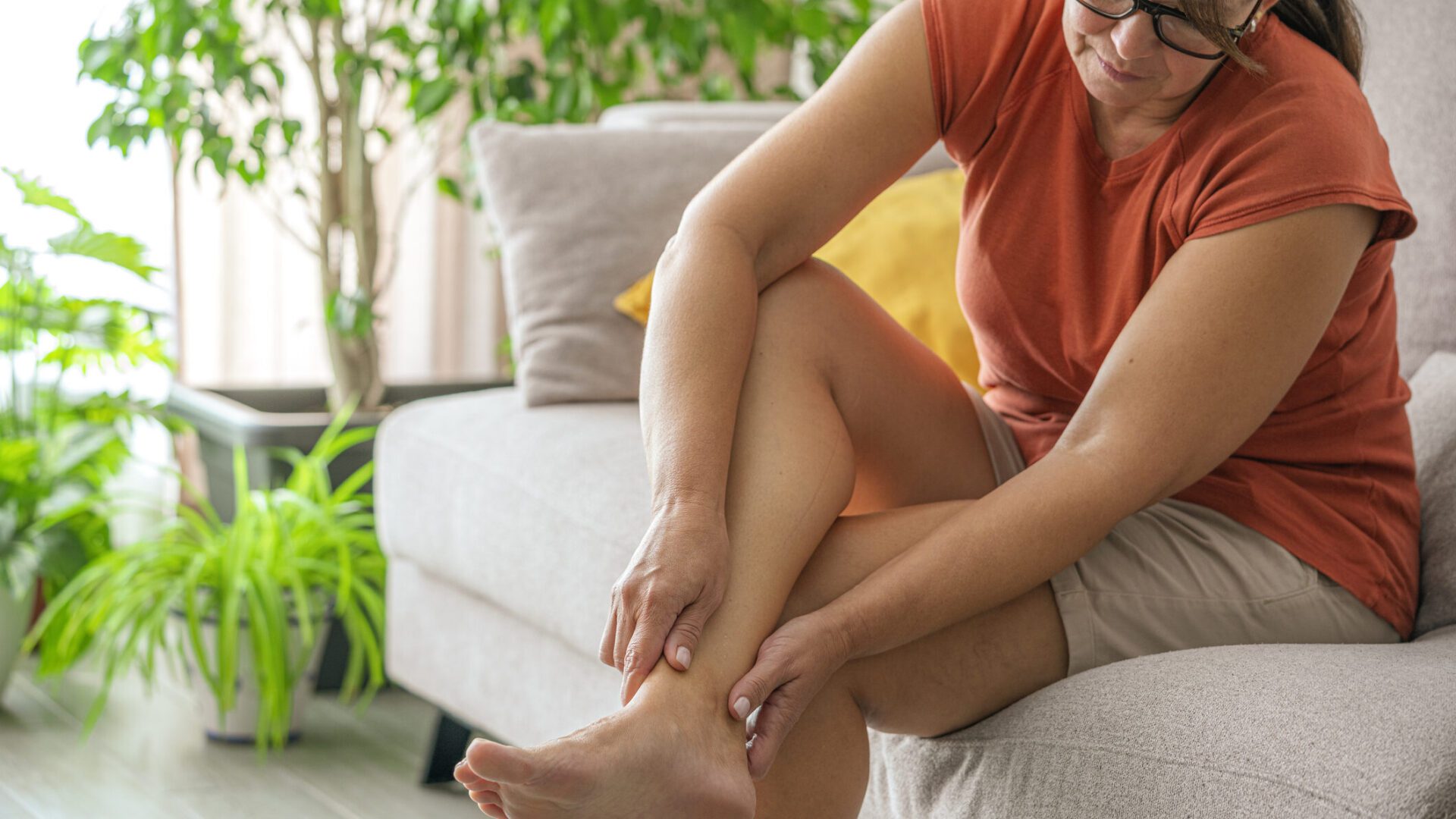
A blood clot, also known as a thrombus, is a condition where the blood in the blood vessels thickens so much that it literally forms a block. This can then prevent normal blood flow. The severity of the situation varies, and in the worst case, a clot can trigger serious events such as a heart attack, stroke or pulmonary embolism. It is estimated that there are about 2 cases of venous thrombosis per 1 000 people in Europe each year.
The good news is that prevention is relatively easy. And it’s not about drugs or supplements, but about living a healthy lifestyle. Diet and exercise play a big role in how susceptible to blood clots you will be. How to minimize the risk, how to recognize a problem coming and when to seek medical attention?
Diet as the first line of defence
Some substances found in common foods can act as natural and gentle blood thinners. The first such example is garlic, which contains allicin. This is a compound with antithrombotic properties. Allicin reduces the clumping of platelets, thereby reducing the risk of clots. In ginger, for a change, we find salicylates, substances chemically close to aspirin. These may help reduce the likelihood of blood clots , according to research.
Another active ingredient is curcumin, the main active ingredient in turmeric, which has strong anti-inflammatory and anticoagulant effects. According to studies, curcumin blocks enzymes involved in clotting while reducing blood viscosity. So if you include these foods in your diet, you automatically reduce the risk of problems.
Spices and herbs as simple but effective prevention
Apart from common foods, there are spices and herbs that can significantly affect blood clotting. These include, for example, cinnamon. It contains coumarin, a substance known for its anticoagulant effects. Another strong candidate is cayenne pepper, which is rich in salicylates that promote blood circulation and prevent excessive blood clotting.
In the world of herbs, ginkgo biloba is also worth mentioning, with laboratory studies suggesting that its extracts may reduce platelet cross-friction. In this case, however, experts warn of the risk of combining the substances with blood-thinning drugs.
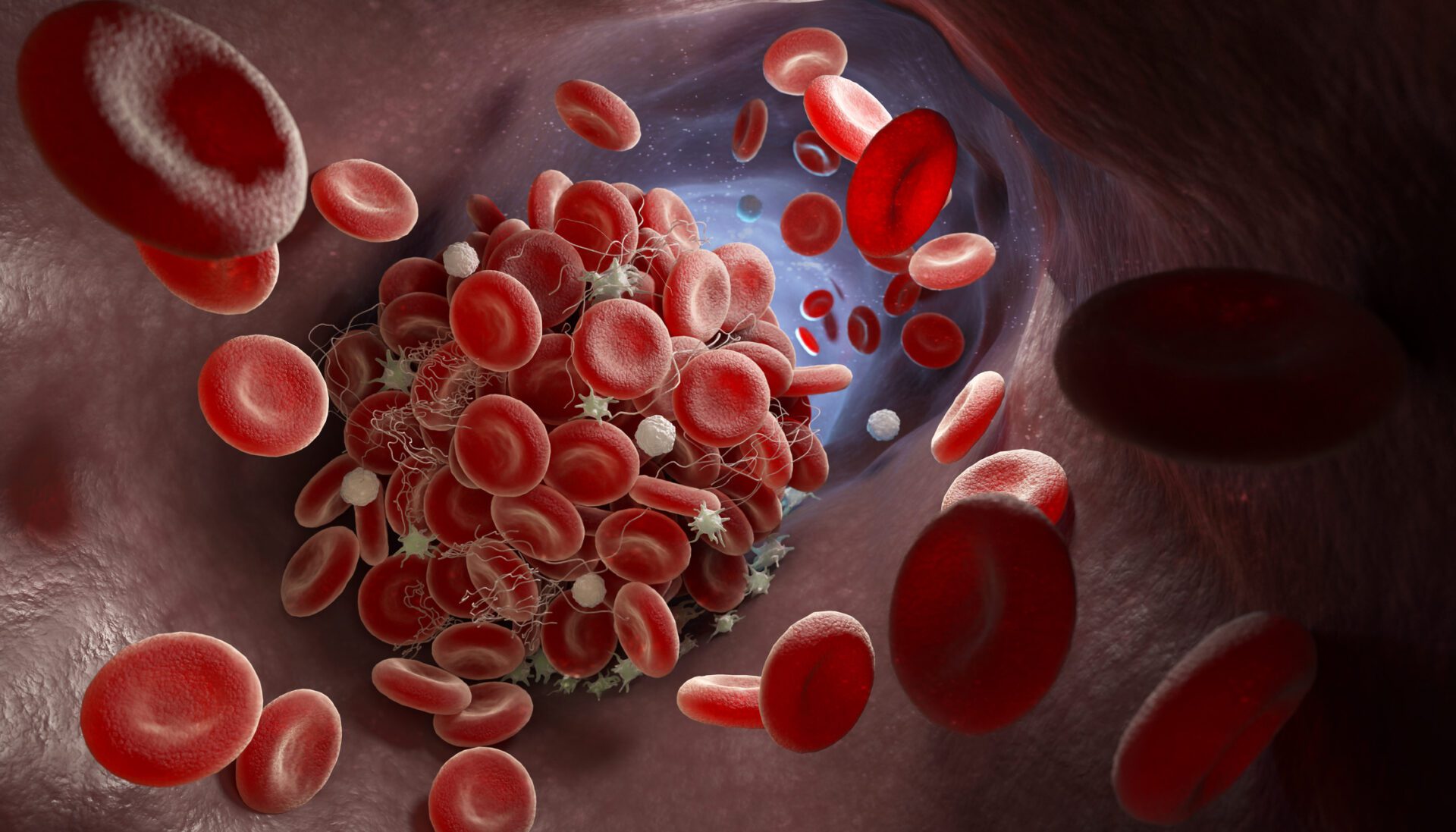 ━━ Blood clots in the blood vessels form blocks that prevent the free flow of blood. This can cause very serious health problems.
( Source: iLexx / iStockphoto )
Lifestyle: Prevention that takes no time
In addition to the food and spices we use in it, the overall lifestyle is also important, because clots often form where the blood stagnates. What does this mean? Regular physical activity improves circulation and reduces the risk of slow blood flow that promotes clot formation. Even short walks and home stretching exercises can greatly help in prevention.
You don’t have to work hard in the gym and sweat for long hours every day. Just spend a few minutes a day doing some exercise that you enjoy. If you have a sedentary job, stretch regularly. If you feel muscle pain for which there is no reason, get checked by a doctor. If the clots are detected in time, something can be done about them. At a later stage , treatment is much more difficult.



 L. Novak



 O. Müller

 A. Urban