

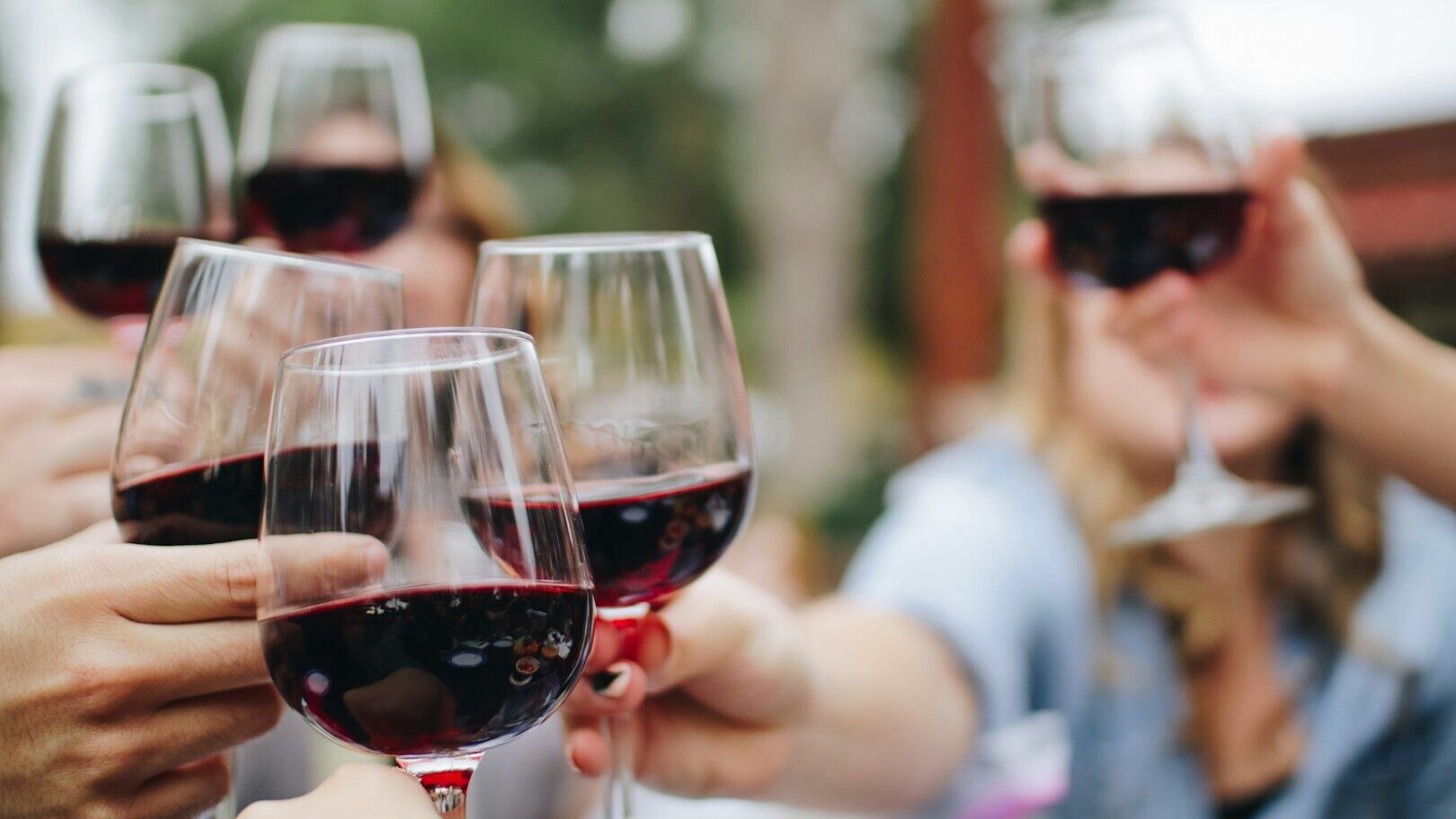
One does not have to be a wine lover to know the principle that this drink should be left to mature. Personally, I rather rarely have wine, but I have many friends who pretend to be experts. In reality, however, the claim that older red wine is better quality is not entirely true. Most wines on the market are meant to be drunk within 1-3 years of harvest.
Generally, wine does not last for decades. A lot depends on how you store it. The higher its alcohol and sugar content, the longer you can keep it in the cellar. So if you find an older bottle of wine in your cellar, it might not be quite as good after a few years. But if you have friends who like to pose as experts, you can pour it for them and see what they think.
There is no general answer
If you were to ask how long red wine lasts, you probably wouldn’t get one specific answer. Shelf life depends heavily on the grape variety and the type of wine. However, you can at least make some guesses as to which drink you can keep in your cellar for how long.
- Everyday liter wines: these drinks are meant to be drunk quickly. Their shelf life is about one year.
- Dry red wines: They can be drunk for longer and last about 2-3 years.
- Premium dry wines with several aging processes: These wines can last 5-10 years.
- Late harvest sweet wines: These wines also last a little longer. Their shelf life is sometimes over 10 years.
- Strongly sweet wines: These drinks have the potential to age for decades. The shelf life can be well over 20 years.
- Wines with more than 13 percent alcohol: Thesewines usually need several years after bottling to reach their full potential. They have a shelf life of more than 20 years.
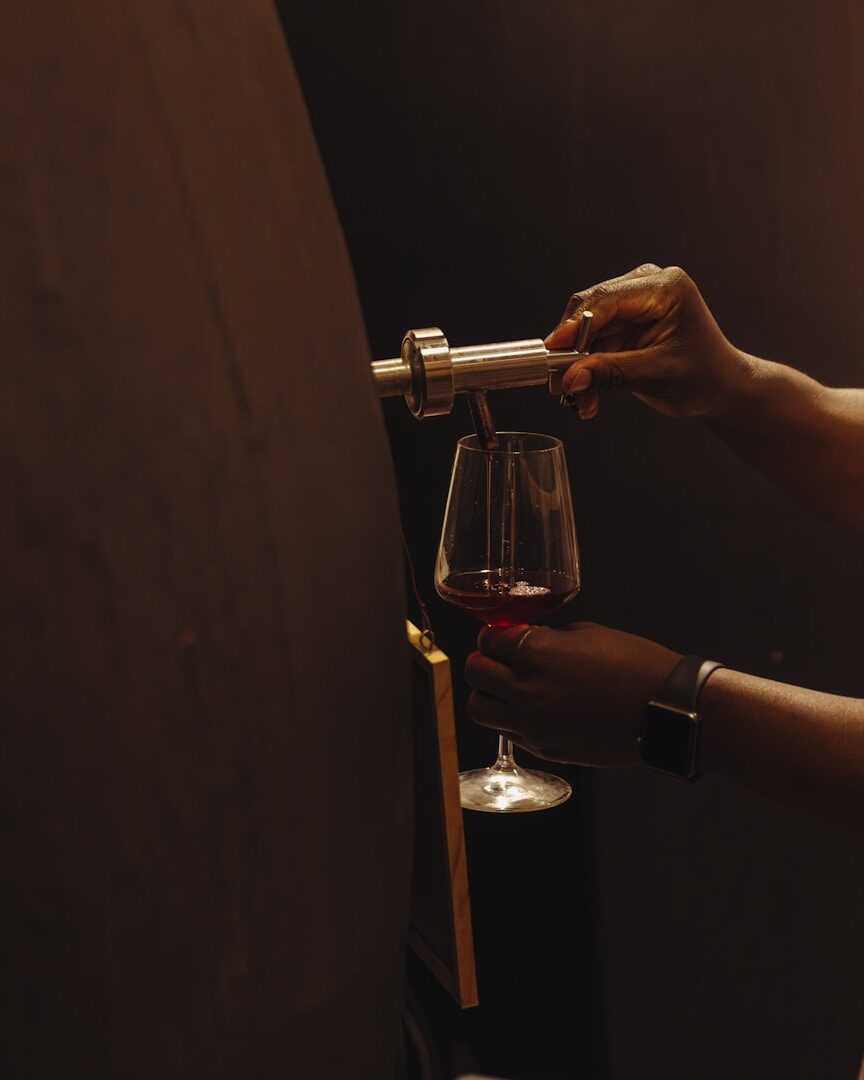 ━━ If you store wine correctly, it will reward you with its quality after many years.
( Source: Mark Bloomfield / Unsplash+ )
How to store red wine properly?
A stable temperature is essential. The ideal temperature for storing red wine is about 10-14 °C. It is important that it is stable, as fluctuations are more damaging to the wine than slightly higher temperatures. Long-term storage at room temperature in the kitchen, for example, is not advisable, so if you don’t plan to drink the bottle soon, place it in a cellar or cooler room instead.
Light (especially sunlight and UV) damages wine. “Wine should be stored in a dark place away from light, ideally in a cellar or in a room covered with a sheet,” says a wine storage advisor from the Liebherr website.
If the wine is sealed with a cork, store it flat. The cork will stay moist and prevent air from reaching the drink. You can also store wines with screw caps standing upright. I recently saw several corked bottles in a friend’s cellar that had been stored poorly. Well, it seems that sometimes even these self-proclaimed experts make mistakes.
Above all, wine needs rest. It doesn’t like vibration, so putting it in a fridge that is opened frequently is not entirely advisable. You can store open wine in it for a short time, but if you want to keep an unopened bottle for as long as possible, cellars are the best place for it.



 L. Novak



 O. Müller

 A. Urban