

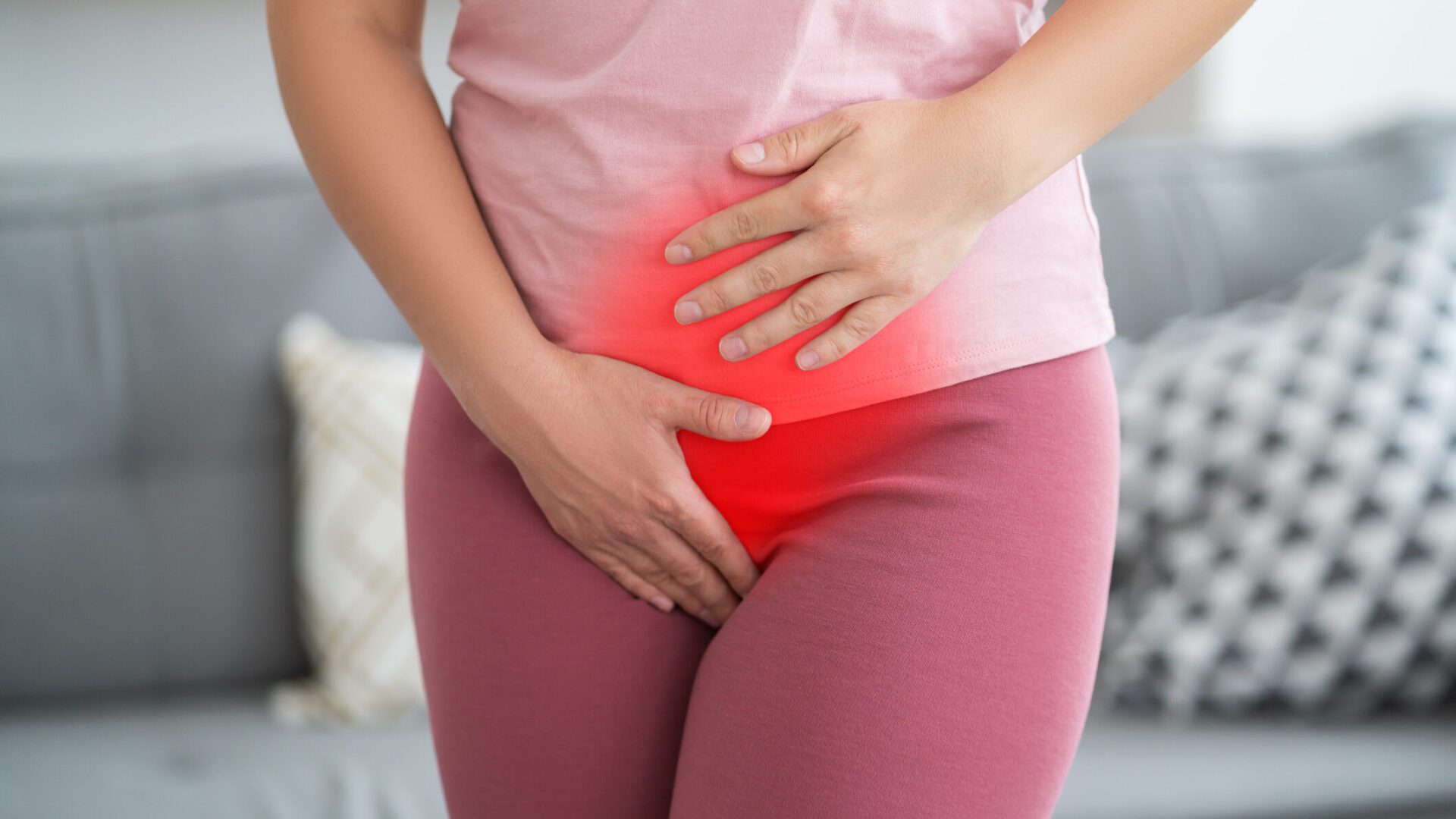
Some health problems have simple solutions and yet are very difficult to get rid of. The reason is our shame. However, we should always remember that health is really important and there are many people who go to the doctor with the same or similar problem as ours. For him our problem is nothing unusual. There is no reason to be ashamed. There is no reason to hesitate to solve it. Treatment can then be very quick and effective. And you will feel much better. Not only physically, but it will certainly benefit your psyche as well.
There are many problems that we are reluctant to go to the doctor with. Ironically, people don’t want to go to the dentist if their teeth are in disastrous condition. Yet the dentist is the only one who can help them to a beautiful smile. And then people are embarrassed to go to the doctor with intimate problems. It can be, for example, problems during sex or also problems with defecation. Women, for example, often suffer from spontaneous leakage of urine. Although this problem can also occur in men or children. The important thing is to solve the problem in the first place. Do not be afraid.
Simple exercises
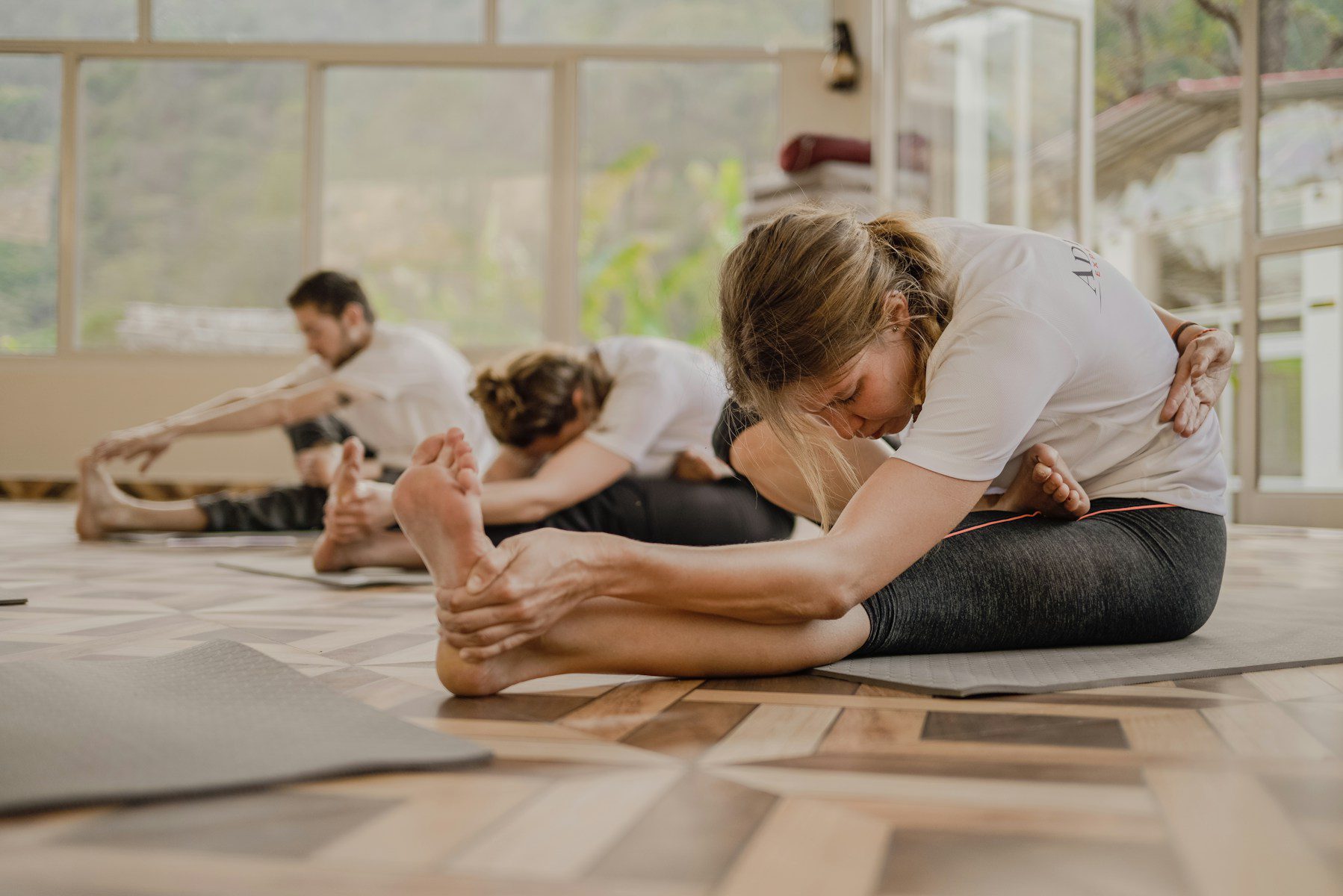
It is true that it is important to address health problems with a doctor, but exercise can also help. At least in the case of incontinence. Learn how to perform pelvic floor exercises correctly. Exercises should include short and long squeezes. You can feel the pelvic floor muscles when you stop farting or peeing. Exercising them is relatively easy. Just contract the muscles quickly while not pulling in the abdomen. Hold for two seconds and relax. It is advisable to repeat this exercise at least ten times.
The important thing is, of course, to breathe correctly and normally and, above all, to relax during the exercise. With each squeeze it is good to gradually increase the holding time up to ten seconds. Please note that the results will not come immediately. It may take several months before you notice any results. Pilates or similar resting exercises can also be added to this exercise. For example, even yoga. On the other hand, jogging and aerobics are inappropriate. Or any exercise with a high load. Definitely do not do sit-ups. That would exacerbate the problem.
Smoking is not advisable.
If you smoke, you may be unknowingly prolonging your problem. The reason is simple. Smoking often causes coughing and coughing puts a lot of strain on the pelvic floor muscles. Just like smoking, overeating is not advisable either. Respectively, being overweight can weaken the pelvic floor muscles and cause incontinence due to the pressure of fatty tissue on the bladder. Also, never ignore the urge to go to the toilet and try to get rid of constipation by exercising or eating fiber. And limit caffeine, which irritates the bladder.
 ━━
( Source: Jaspinder Singh / Unsplash+ )
Who the disease affects
We have indicated that incontinence is primarily a women’s problem. However, the condition is usually prevalent in older adults. Women are mainly affected by this problem during the menopausal period, but also in the postpartum period. Elderly people, smokers or those with a congenital defect that affects the structure of the urinary tract are also at risk. Incontinence can also affect people suffering from diabetes, obesity or long-term constipation.
In any case, urine leakage greatly affects quality of life. There are five main types. These are stress incontinence, urge incontinence, mixed incontinence, overflow incontinence and functional incontinence. In addition to exercise and lifestyle modification, possible treatments include physiotherapy, fluid control strategies, stimulated voiding, catheters or pads. There are of course also medications or botulinum toxin injections and other treatment options including surgery.
How incontinence is diagnosed
Your doctor will naturally ask about your symptoms. He may even ask you to keep a bladder diary for a few days before your office visit. In other words, he or she will want you to record how much fluid you drank and what time of day it was. And you’ll also record visits to the toilet, or any urine leaks. You will probably have a physical examination afterwards. This may include an examination of your rectum.
You may also have to have urine and blood tests and bladder function tests. And there will probably also be what are called imaging tests. This is where your doctor will use modern scans to check your bladder. Usually an ultrasound is used, which the doctor will do after you have urinated. The detection of more than 200 milliliters of urine remaining in the bladder after urination indicates urinary incontinence from overfilling and possible bladder hypotonia.


 Šárka Cvrkalová




 O. Müller

 A. Urban